Bathrooms
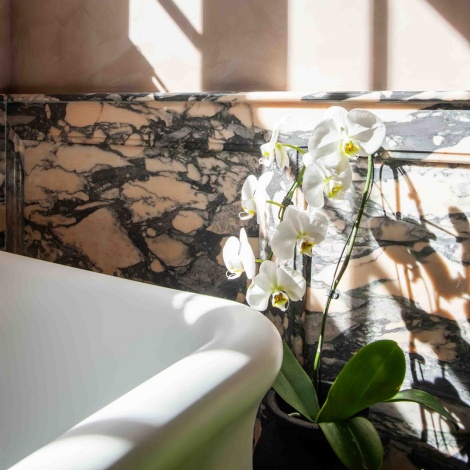
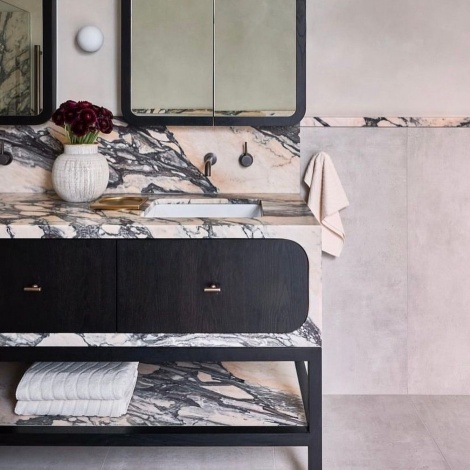
Calacatta Rosenoir can be used for shower walls, bathtub feature walls, vanity tops and decorative niches. A lighter slab area is often suitable for a compact bathroom, while a stronger pattern can be placed on one main wall.
 ×
×
Explore Calacatta Rosenoir Marble, including its rose-colored veining, slab selection, interior applications, layout planning and natural stone care.
Share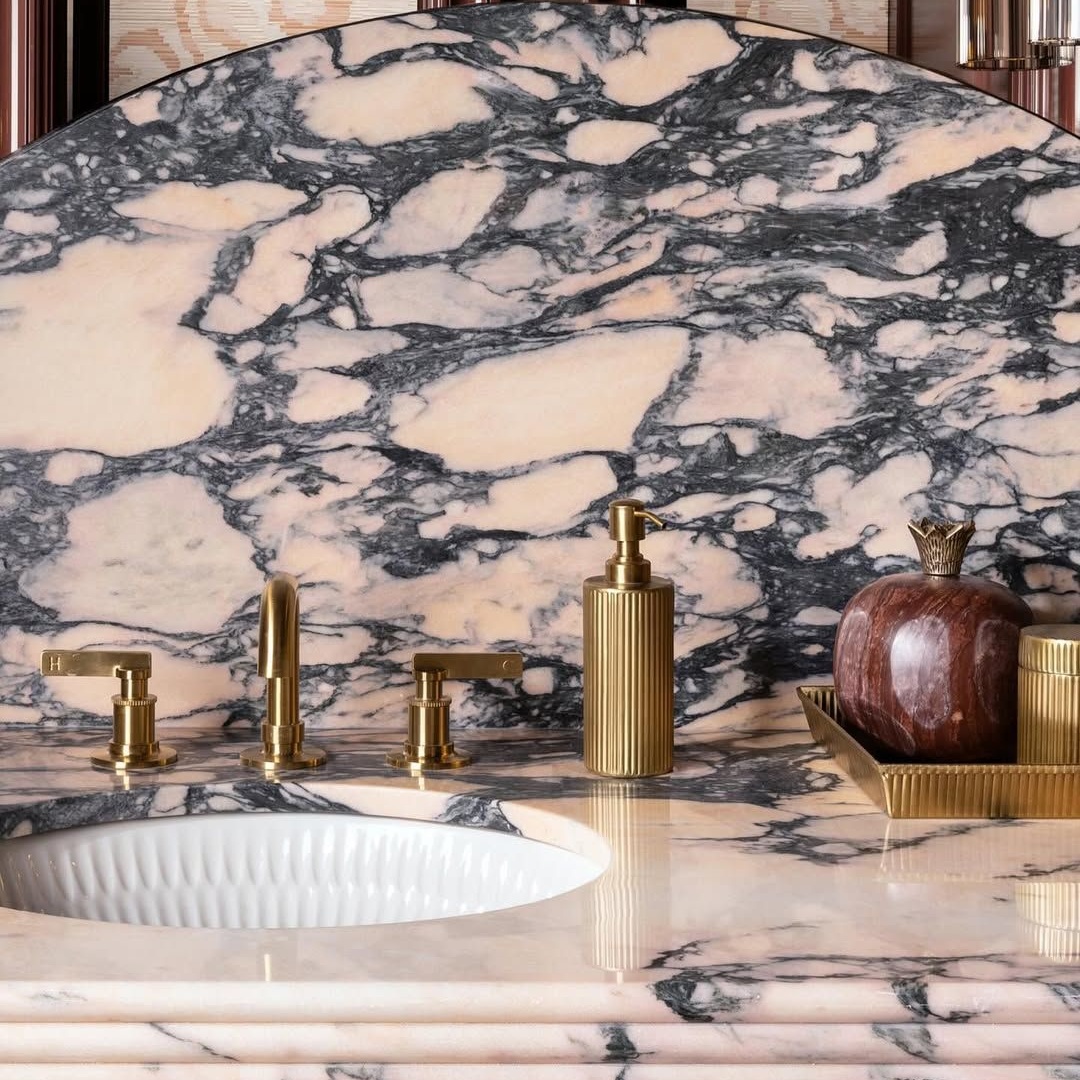
A practical guide to its rose-colored veining, interior applications, slab selection, layout planning and long-term care.
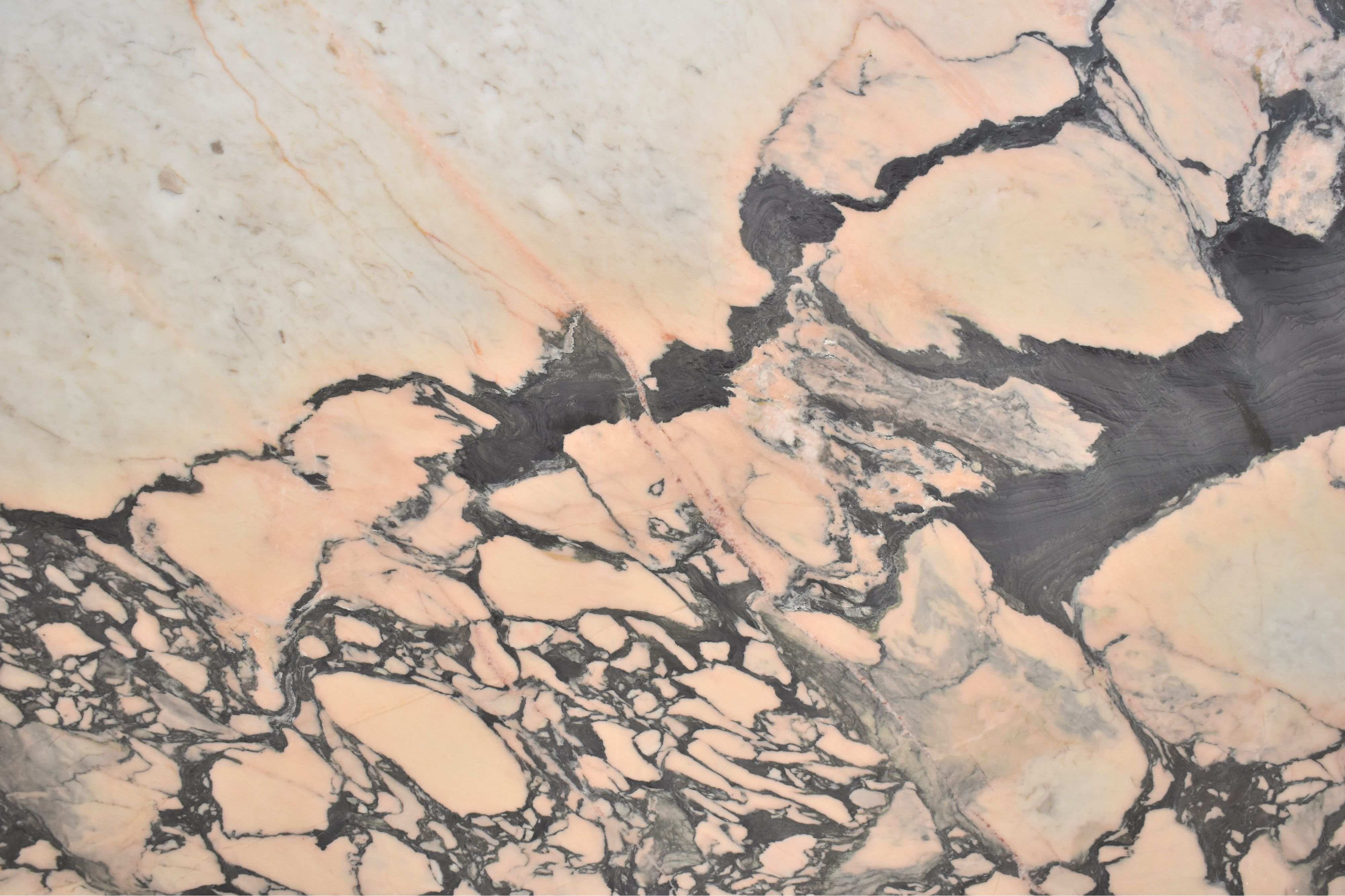
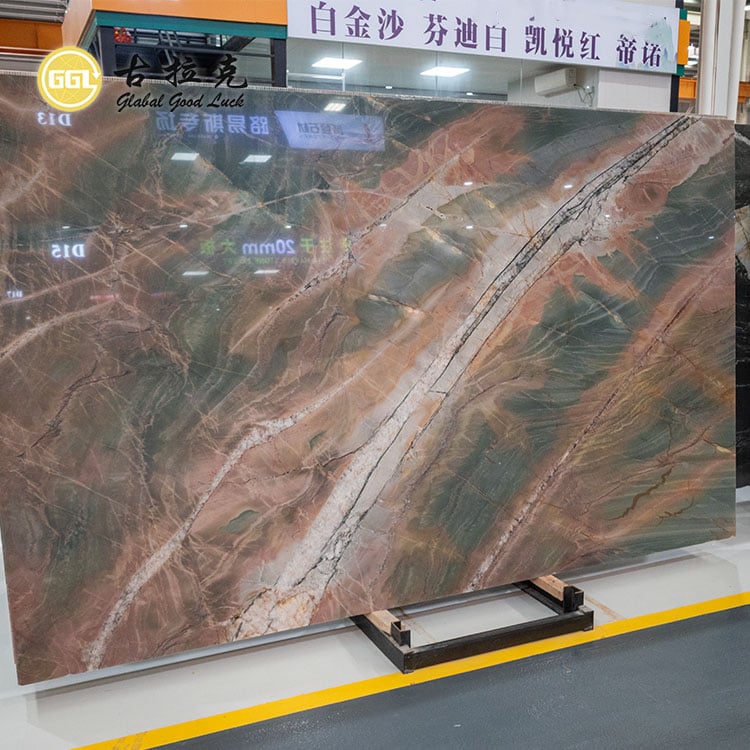
Calacatta Rosenoir Marble is a natural stone known for its white background, rose-colored veining and deep grey or black accents. Compared with traditional white marble, it usually has stronger color contrast and more visible movement across the slab.
Some slabs contain large white areas with soft pink veins, while others show dense rose, burgundy and dark patterns. This variation gives designers different options, but it also makes slab selection especially important. A section that looks impressive on a large wall may feel too busy when cut into a small vanity top or backsplash.
Calacatta Rosenoir is commonly used for bathroom walls, vanity tops, kitchen islands, backsplashes, fireplaces, decorative panels and custom marble mosaics. The final result depends not only on the material, but also on the selected slab area, vein direction, cutting plan and installation layout.
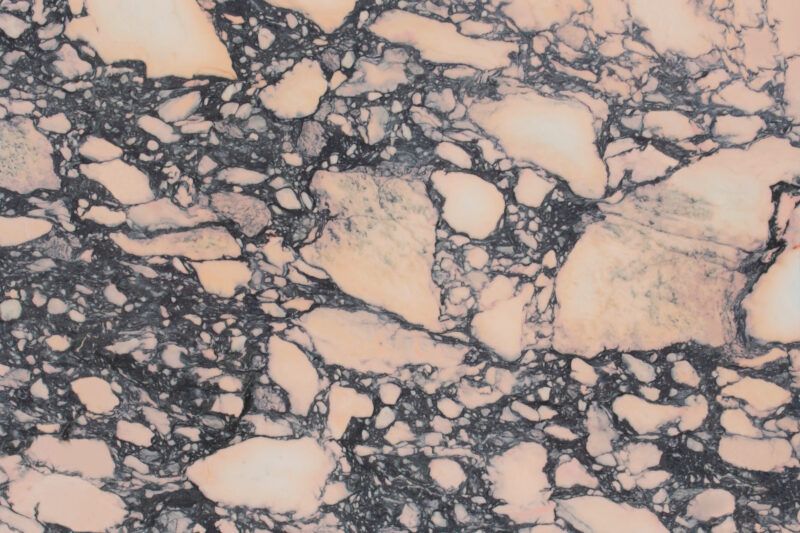
The appearance of Calacatta Rosenoir is created by the balance between its light background, warm rose tones and darker veins. The white areas keep the stone bright, while the pink and reddish movement adds warmth. Grey and black accents provide contrast and make the pattern more expressive.
The distribution of these colors can change greatly across one slab. One area may be mostly white, while another may contain several strong veins crossing in different directions. Natural cloudy marks, fine lines and changes in color depth may also appear.
The first step is to decide whether the marble should become the main visual feature or support the overall interior design. For a fireplace, feature wall, hotel reception or large kitchen island, a strongly veined area may be suitable. Large panels allow the natural movement to remain complete, so the rose and dark veins can be clearly seen.
For vanity tops, small bathrooms, narrow backsplashes or rooms with several existing patterns, an area with more white background is usually easier to use. Softer veining can still show the character of Calacatta Rosenoir while keeping the space balanced.
Strong veining may not be suitable for very small countertops, narrow borders or pieces with several holes and cutouts. When a large vein is divided into many small sections, the pattern may appear broken or unclear. The scale of the pattern should therefore match the size of the finished product.
When several pieces are used together, the layout should be planned before cutting begins. Clear photos of the full slabs should be reviewed first because they show the position and direction of the main veins. The pieces can then be arranged in a digital layout based on their final installation positions.
Vein direction can affect how the finished space feels. Vertical movement may make a wall appear taller, while horizontal movement can make a countertop, island or fireplace look wider. Corners and joints should also be considered so that important veins do not stop suddenly or connect in an unnatural way.
After the layout is approved, each finished piece should be numbered to match the production drawing, packing marks and installation plan. Bookmatching can also be considered for large walls, although the result should always be checked with an actual slab layout before cutting.
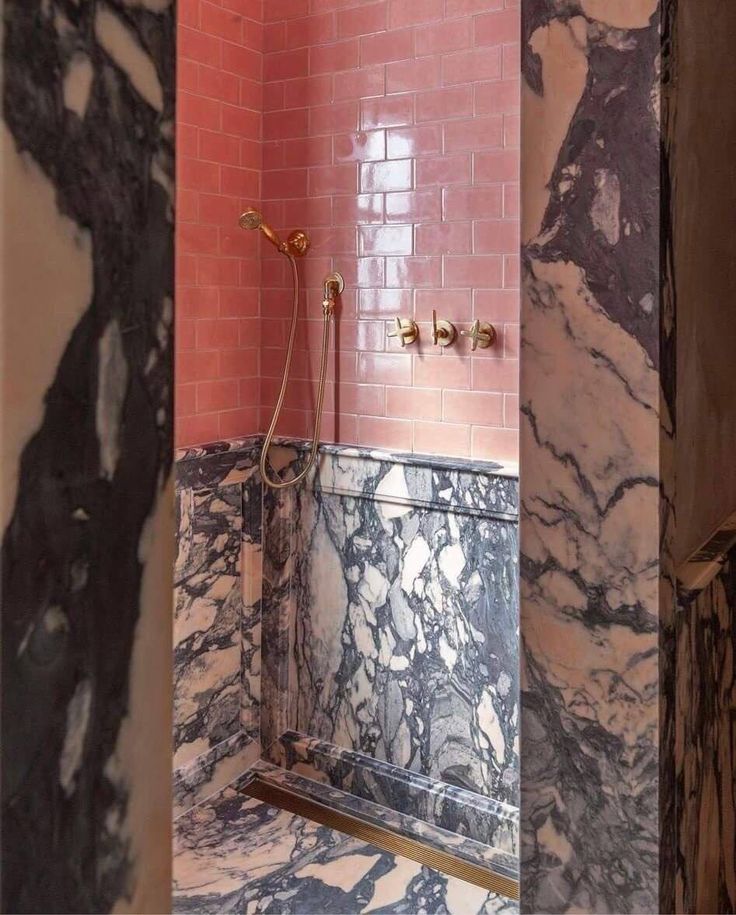
The rose-colored veins of Calacatta Rosenoir can make an interior feel warmer, but the surrounding colors should be selected carefully. Warm white, cream, beige and soft grey surfaces usually create a calm background for the marble. Natural oak or walnut can add warmth without competing with the stone. Brushed brass and soft gold details can connect with the rose tones, while matte black fixtures can highlight the darker veins.
Highly patterned cabinets, bright red surfaces, strong purple colors and orange-toned wood should be used carefully because they may compete with the pink movement. Cool blue-grey surroundings can also make the rose tones appear stronger than they do under neutral lighting. Before confirming the design, the marble should be viewed beside the actual cabinet color, wall paint, flooring and metal finish under both natural and indoor light.
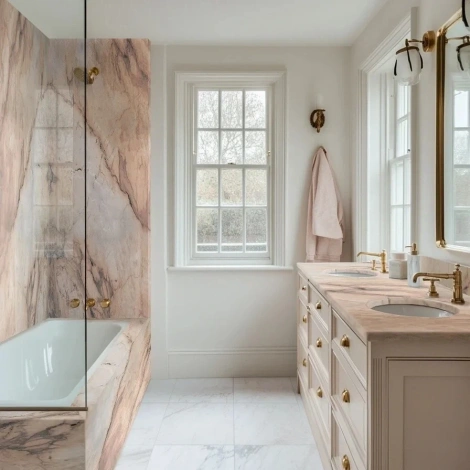
Calacatta Rosenoir can be used for shower walls, bathtub feature walls, vanity tops and decorative niches. A lighter slab area is often suitable for a compact bathroom, while a stronger pattern can be placed on one main wall.
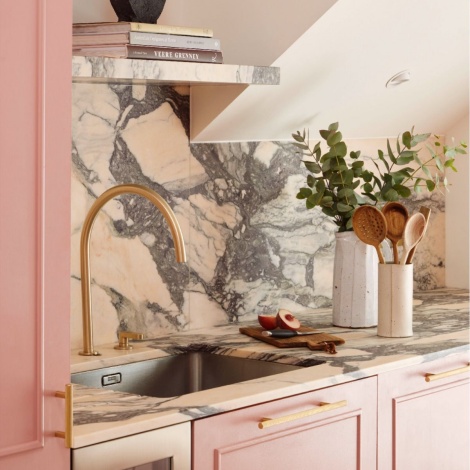
In kitchens, it is commonly selected for backsplashes, islands and decorative countertop areas. The cutting drawing should include cabinets, outlets, sink openings and the range hood so that important sections of the pattern are not removed.
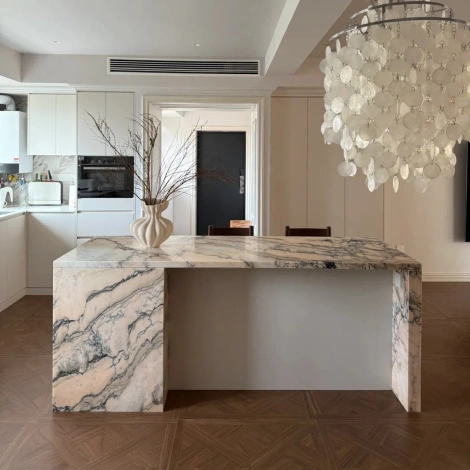
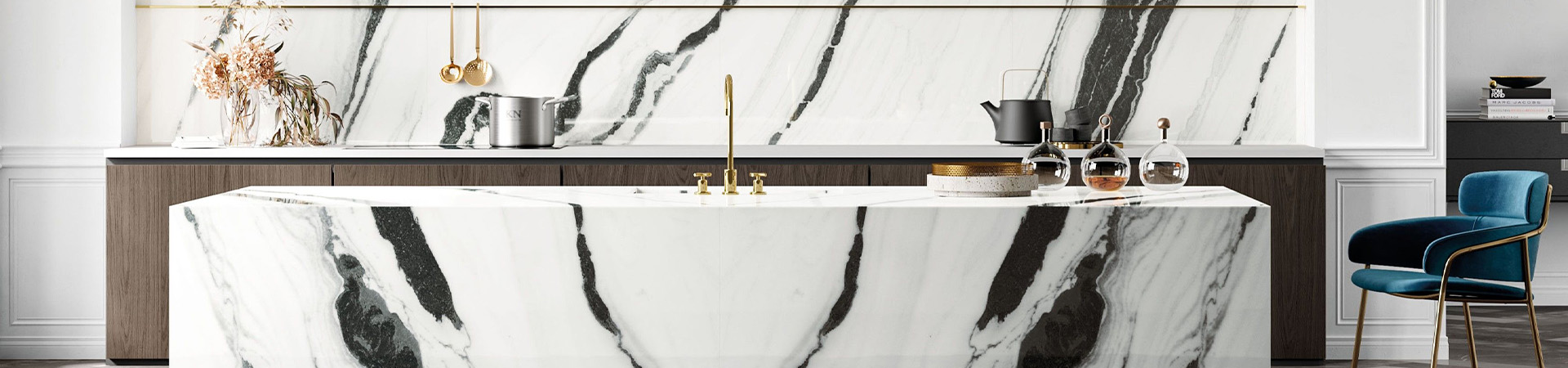
These are among the best applications for heavily veined slabs because the larger surface allows the natural movement to remain complete. Vein matching or bookmatching can be used when a more controlled result is required.
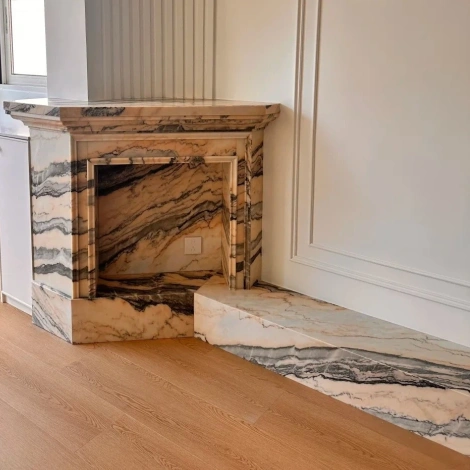
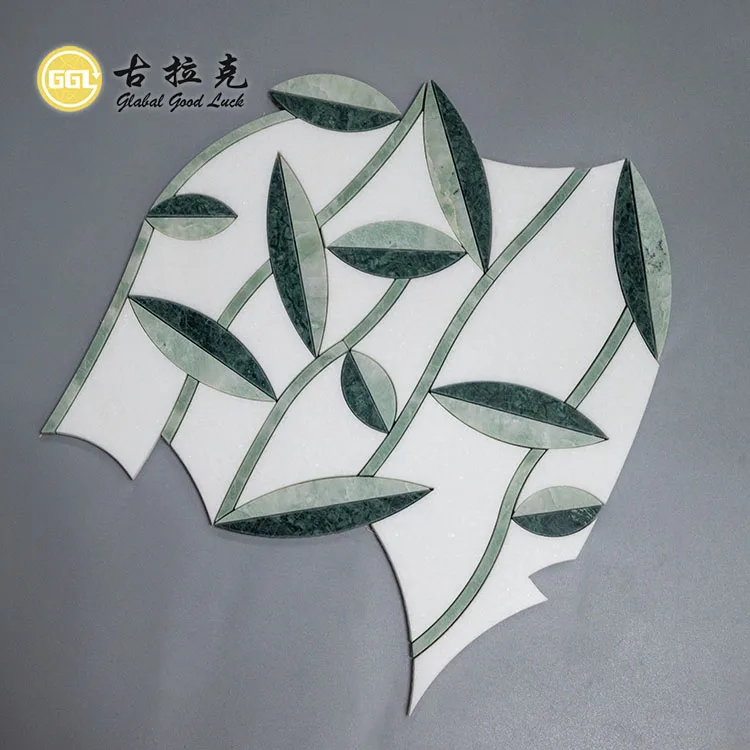
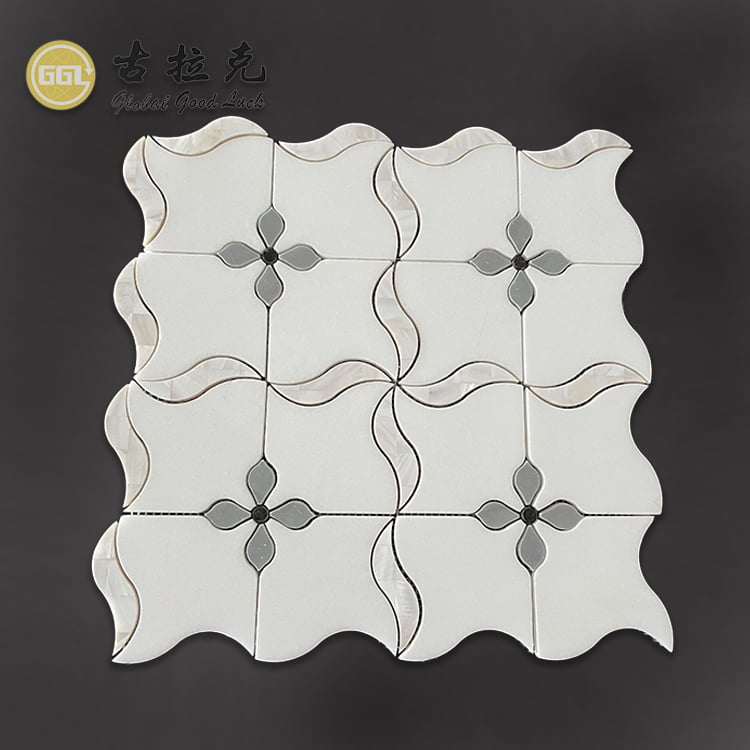
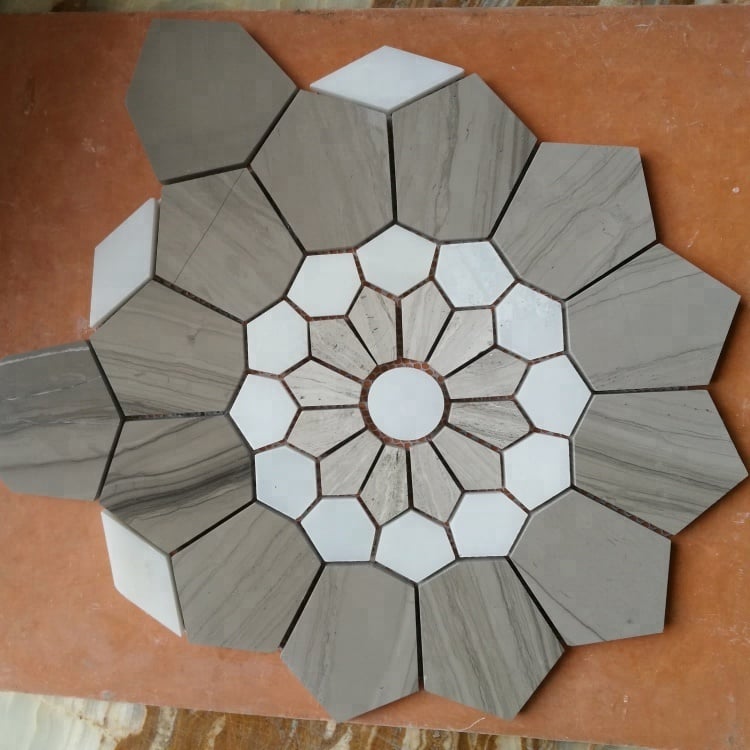
For mosaics, areas with smaller patterns and clear color contrast are usually more practical.
The rose-colored sections can be used as selected accents and combined with white marble, black marble or brass.
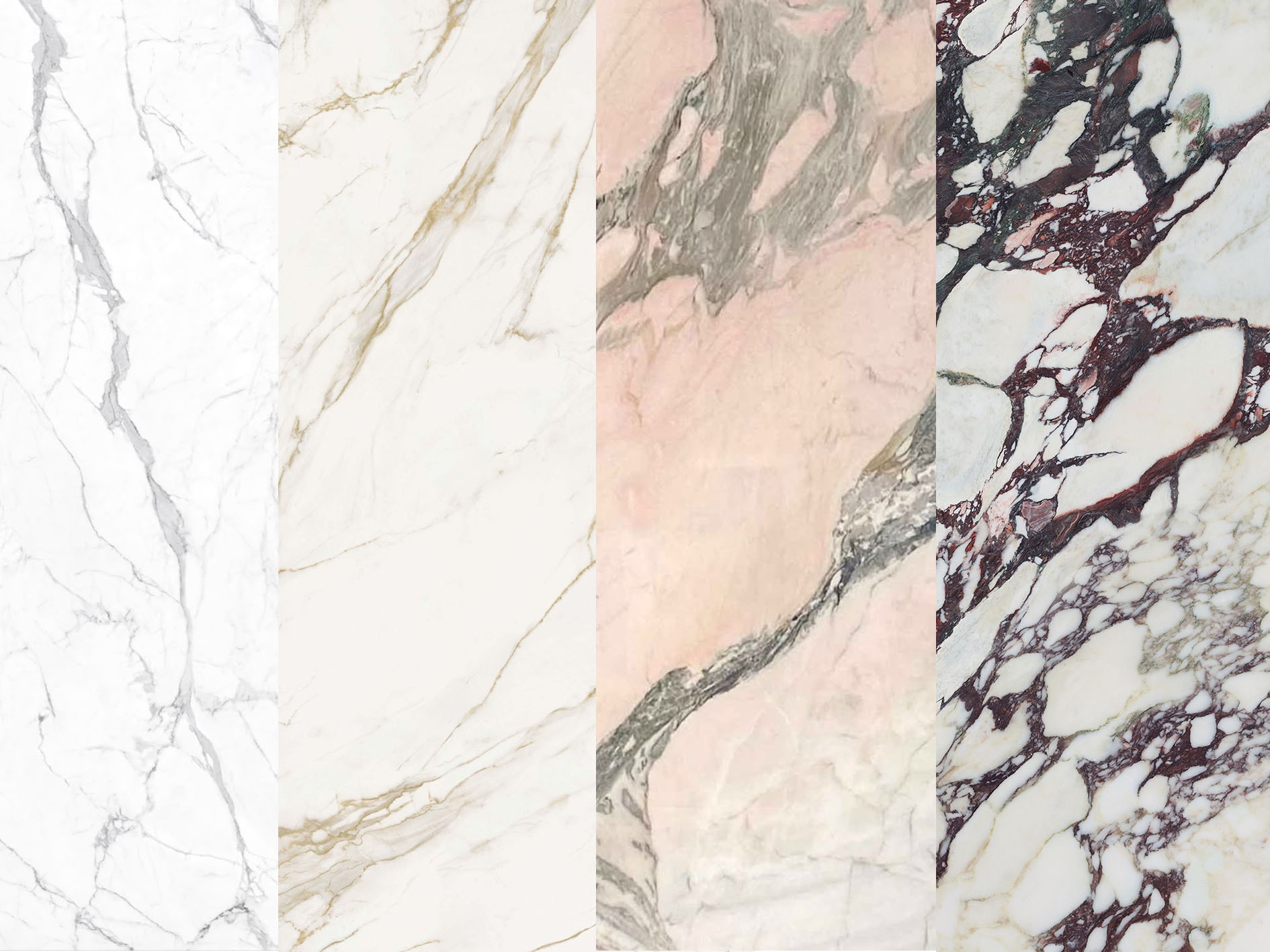
| Marble Type | Main Appearance | Suitable Design Style |
|---|---|---|
| Calacatta Gold | White background with grey and gold veins | Classic, warm and timeless |
| Calacatta Viola | White background with purple, burgundy and dark veins | Bold and artistic |
| Calacatta Rosenoir | White background with rose-colored and dark veins | Warm, expressive and modern |
| Calacatta White | White background with soft grey veins | Clean and understated |
Compared with Calacatta Gold, Calacatta Rosenoir usually has a stronger rose tone and a more expressive pattern. Compared with Calacatta Viola, its appearance can feel softer and warmer, although individual slabs may still contain strong dark movement. Actual slab photos should always be reviewed before making a final choice.
Color variation is a normal characteristic of Calacatta Rosenoir. Even slabs from the same block may show differences in background tone, vein density and the amount of pink or dark color.
Natural fissures may also appear in the stone. A fissure is formed during the natural development of marble and does not always mean that the slab is damaged. Some slabs may have resin filling or mesh reinforcement on the back to improve stability. However, natural fissures should be distinguished from open or structural cracks, especially when they pass through a narrow countertop section, sink opening, finished edge or large unsupported area.
Close-up photos and videos can help confirm the condition of the slab. Important fissures, repaired areas and natural marks should also be identified on the full slab image before the cutting layout is approved.
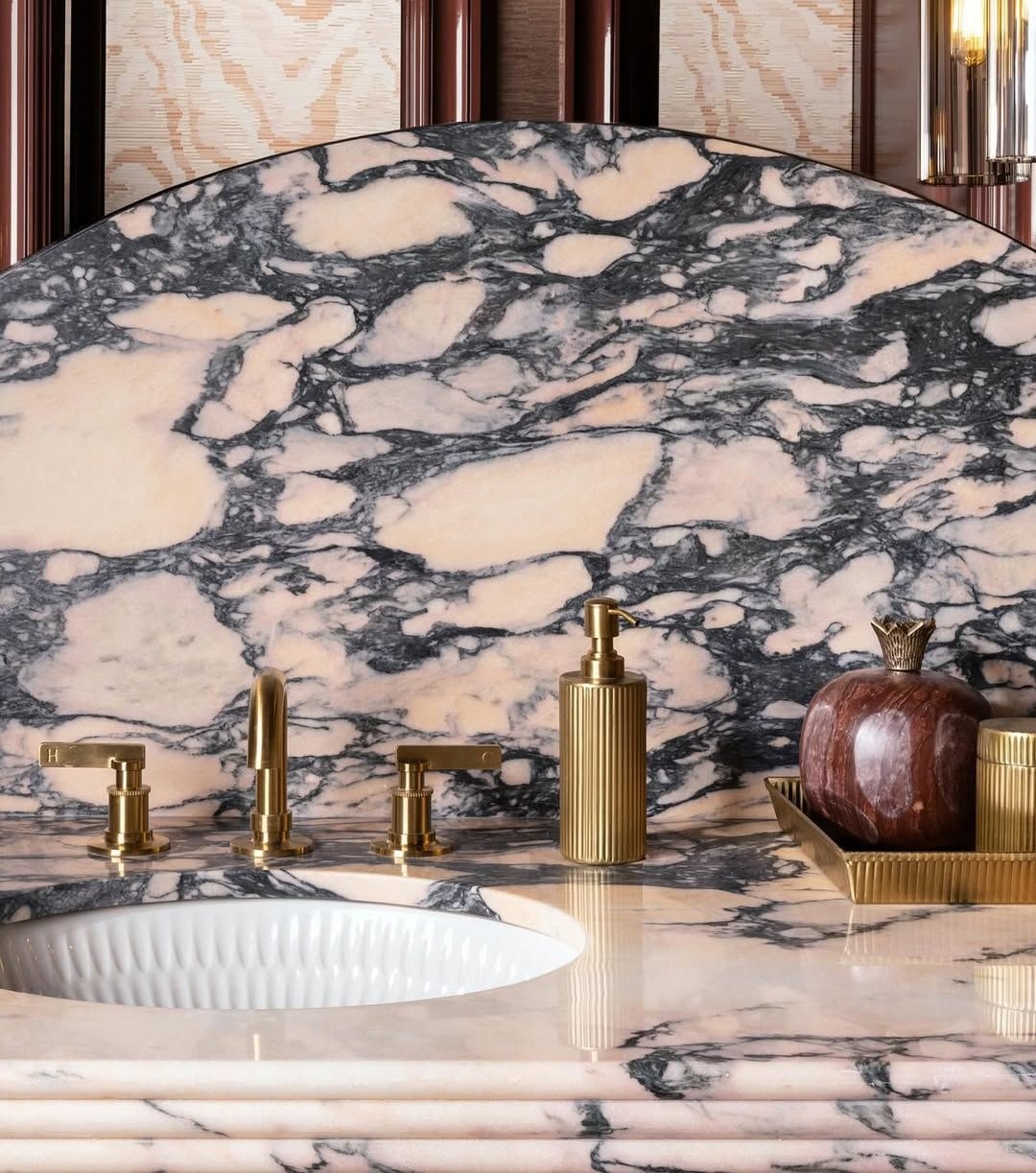
Customers should review actual slab photos before placing an order because the appearance of Calacatta Rosenoir cannot be confirmed from a small sample alone. Full slab images show the overall color balance, vein direction and location of natural marks. A layout drawing then shows which section of the slab will be used for every finished piece.
This process helps prevent uneven color distribution, incorrect vein direction, sudden changes between panels and strong veins being removed during cutting. Slab approval and layout confirmation are especially important for countertops, fireplaces, bookmatched walls and projects that require several connected pieces.
With proper sealing and routine care, Calacatta Rosenoir can perform well in many interior applications. However, like other natural marbles, it can be affected by acids, stains and scratches.
The stone should be sealed with a suitable natural stone sealer and cleaned with a pH-neutral product. Acidic cleaners, lemon juice and vinegar may cause etching. Spills should be cleaned quickly, and protective mats or cutting boards should be used on kitchen countertops. Sealing can reduce the risk of staining, but it cannot completely prevent etching.
Yes. It is a natural marble with variations in color, veining and pattern. Every slab is different, so actual slab approval is recommended.
It can be used for kitchen countertops, but proper sealing and maintenance are required. Natural marble may etch when exposed to acidic food or cleaning products.
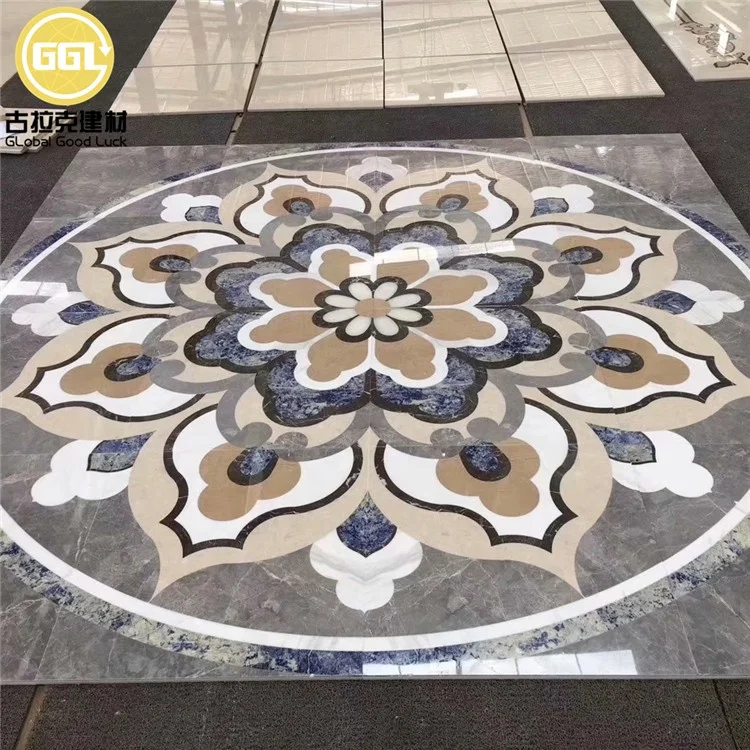
It can be used for flooring, but its strong pattern may become visually heavy across a very large area. Many designers prefer to use it for selected floor sections, decorative borders or smaller feature areas.
Yes. It can be processed into slabs, tiles, vanity tops, countertops, wall panels, mosaics and waterjet designs. The most suitable slab area should be selected according to the size and shape of the finished product.
Xiamen Good Luck Building Material provides customized natural stone processing for residential and commercial projects. Calacatta Rosenoir can be produced as slabs, tiles, countertops, vanity tops, wall panels, mosaic sheets and waterjet patterns. Actual slab photos, cutting plans and layout drawings can be reviewed before production.
Discuss Your Project