





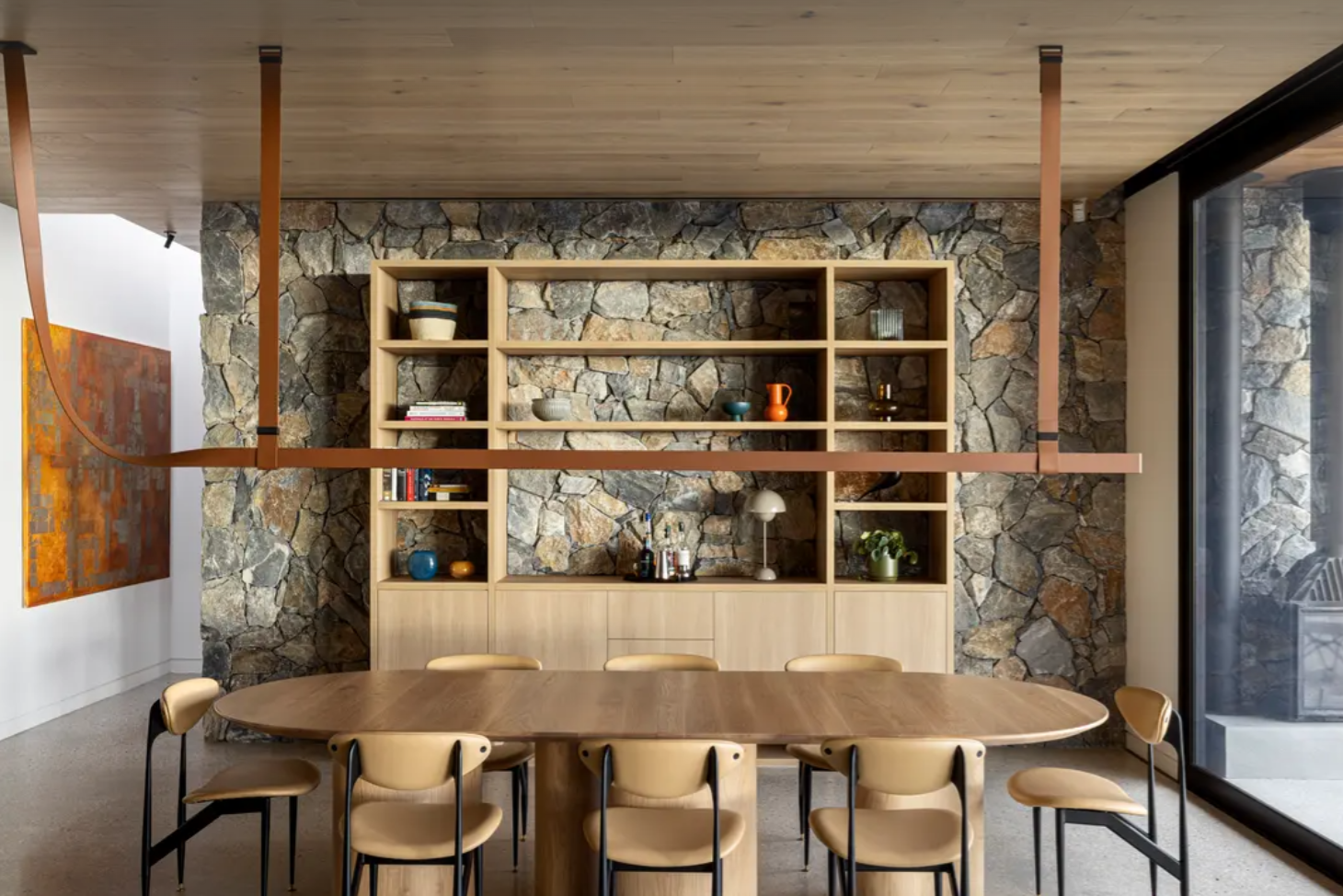
Nijedan projekat ne treba istu kamenicu. Preporučujemo kombinacije labavih kamenja prema arhitekturi, primjeni, materijalima i karakteru koji kupac želi postići.
Plošasti kamen za obloge zidova nudi nešto što se ne može lako reprodukirati proizvodnim ponavljanjem: svaki komad ima svoj obris, površinu i tonalne varijacije. Postavljeni jedan po jedan, kamenje stvara zid s prirodnim ritmom, a ne očiglednim uzorkom ploča. Format je posebno pogodan kada projekt zahtijeva autentičan izgled, izgrađen na mjestu.
Za završni rezultat ovisi više od toga što je odabrano samo po boji. Vrsta kamena, veličina komada, debljina, stil zgloba i ravnoteža različitih tonova utječu na to kako se zid čita iz daljine. Kao proizvođač građevinskih materijala, mi pregledavamo ove detalje s kupcima i preporučujemo kombinaciju labavih kamenja prilagođenu projektu, umjesto primjene jedne standardne specifikacije na svaki zid.
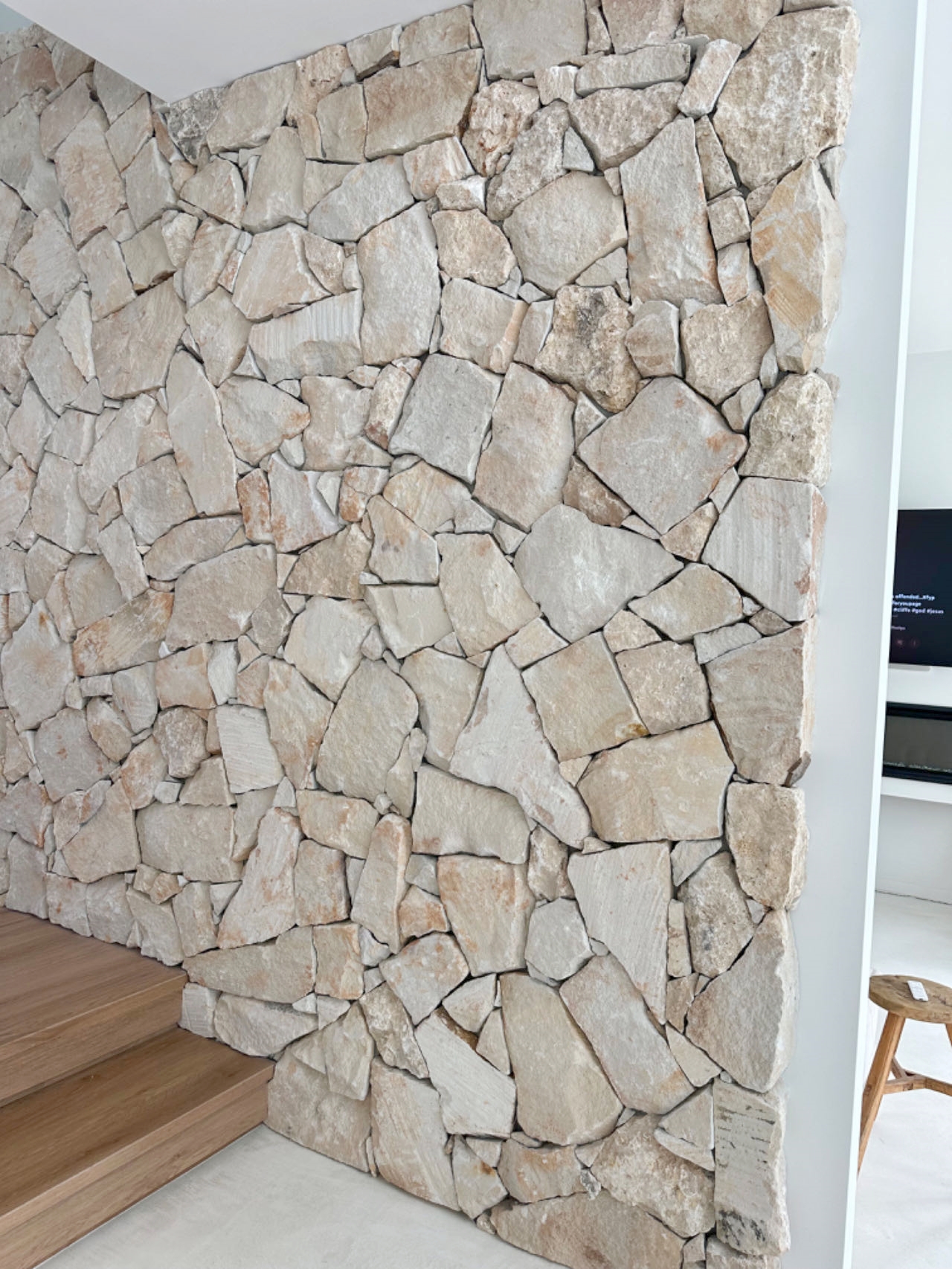
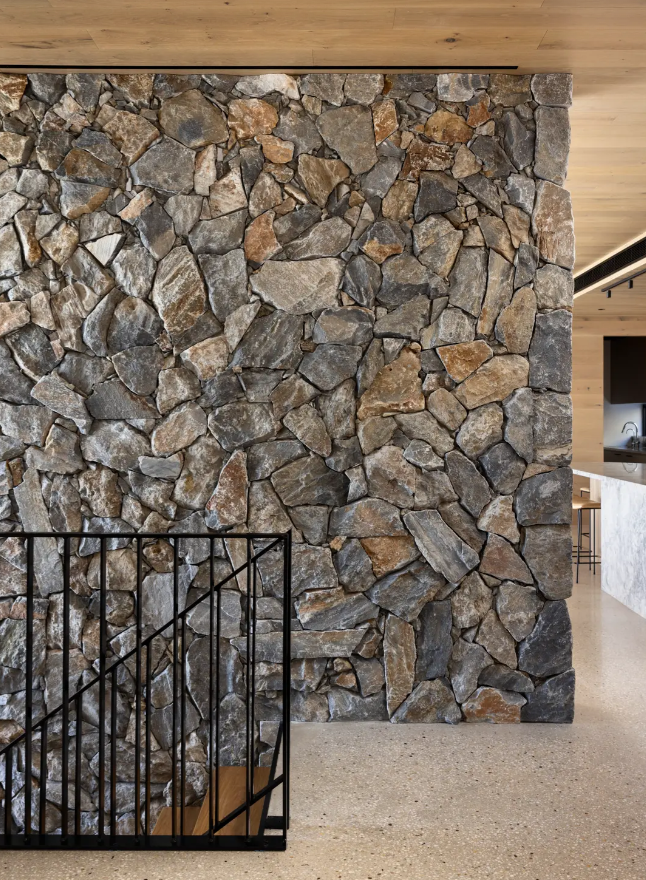
Što je to obloga od plitkih kamena?
U suprotnosti s pločama fiksnog formata, labava obloga se isporučuje kao pojedinačni komadi. Instalator bira, okreće i obriše kamenje na mjestu radi stvaranja uravnotežene kompozicije. Ovaj pristup posebno dobro djeluje s prirodnim kamenom jer njegove nepravilne ivice, kretanje boje i teksture površine ostaju vidljive. Ovisno o dizajnu, labavi dijelovi mogu biti ugrađeni sa čvrstima spojevima za otisak suhoga stupca ili s širim malternim spojevima za tradicionalniji oblik zidarstva.
Kako preporučujemo pravu mješavinu.
Korisno preporuke počinju s zgradom i njenim okruženjem, a ne s jednom fotografijom proizvoda. Obično procjenjujemo četiri praktična faktora:
- Arhitektonskim stilom. Suvremene zgrade često dobro rade s kontrolisanim sivim, drvenim ugljenom ili blijedom neutralnom mješavinom. Rustikalne kuće, kolibe i građevinske strukture mogu imati koristi od toplije smeđe boje, mekane crvene boje i šire mješavine nepravilnih oblika.
- Vidljiva udaljenost i skala zida. Veći kamenje može dati duži vanjski zid obloge visine više prisutnosti. Na manjem unutarnjem zidu, umjeren opseg veličina pruža detalje bez vizuelnog gužve površine.
- Okružni materijali. Razmatramo boju krova, drvo, odvoj, metal, pavimiranje i unutarnji finiš. Kamen ne mora biti u skladu sa svim površinama, ali njegove tonove trebaju biti udobno pored njih.
- Zajednički i instaliran stil. Širina zgloba i boja maltera mogu znatno promijeniti izgled nepravilnog kamena obloga. Referentne slike ili mali probni raspored pomažu u usklađivanju očekivanja prije početka instalacije.
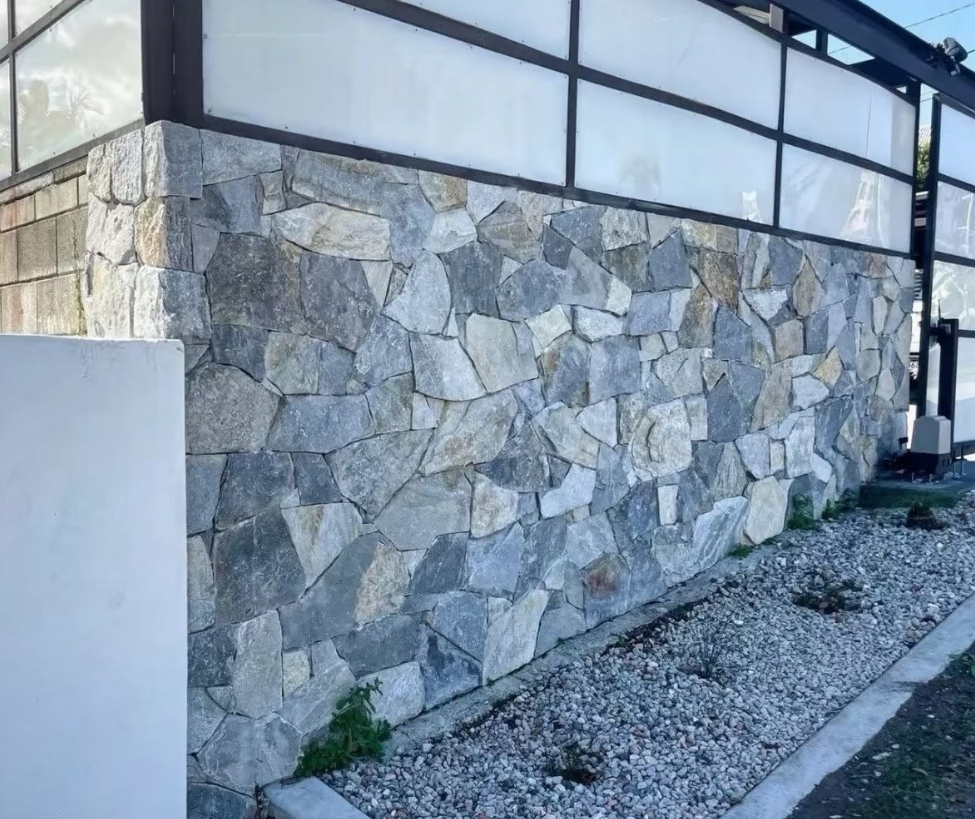
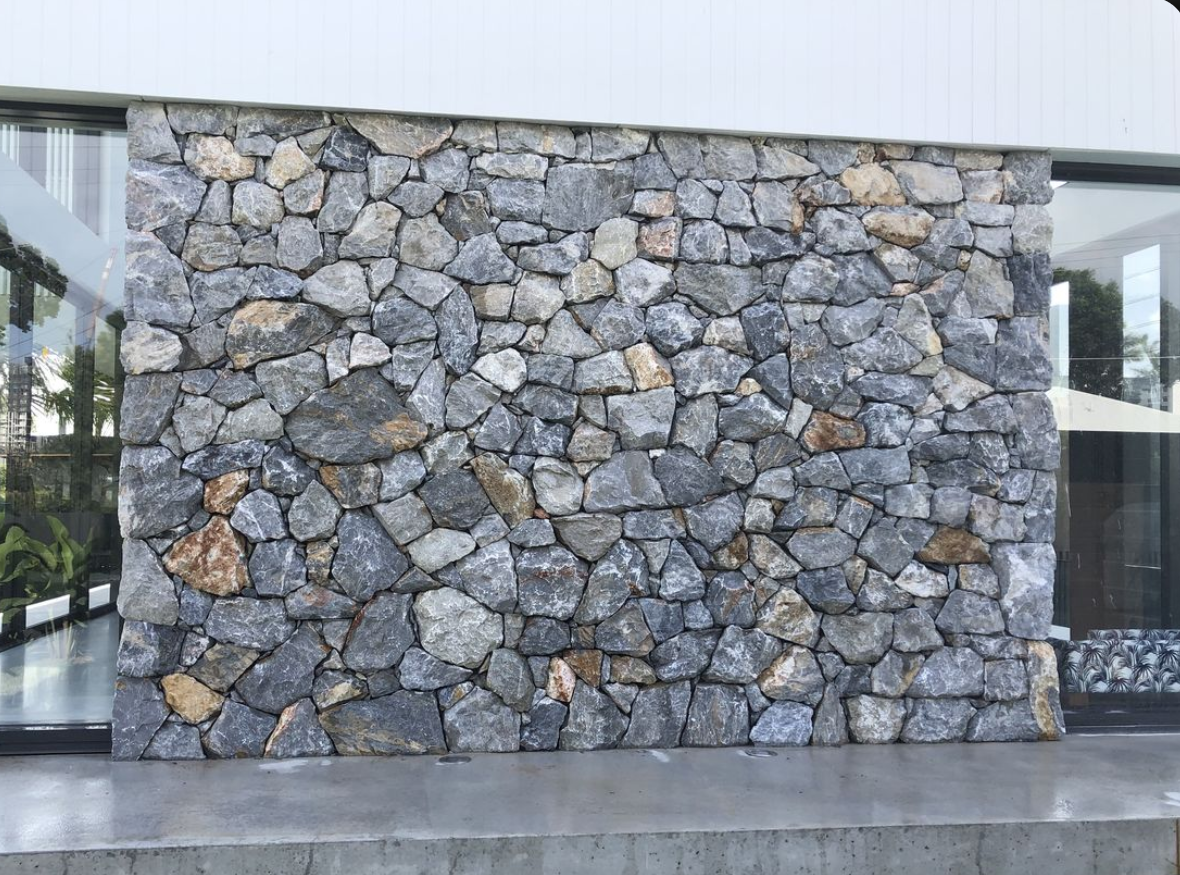
Hladna siva kamenost spoj spaja bazu zgrade s okolnim pejzažom.
Gdje nepravilno oblaganje kamena dobro funkcionira
1. za Vanjske fasade i granični zidovi
Prirodni kamen daje ulaznim zidovima, podnožjima zgrada, graničnim zidovima i cijelim dijelovima fasade značajnu završnu finisu. Za velike visine, miješanje veličina komada i izbjegavanje teških skupova jedne boje stvara ravnomjerniju kompoziciju. Uglovi, prozorski otvorovi, obloge i prijelazi materijala trebaju se razmotriti na početku kako bi se obloga osjećala integriranom u arhitekturu.
2. - Što? Unutrašnje karakteristike zidova
Zid od prirodnog kamena može definirati dnevnu sobu, trpezariju, stubište, kaminu ili prostor za ugostiteljstvo bez dodatnih ukrasa. Bled kamen odražava više svjetlosti i odgovara mirnim unutrašnjostima; dublje sive i mješovite zemljane tonove stvaraju jači kontrast. Osvijetljenje usmjereno preko površine može otkriti relief pojedinačnih kamenja.
3. Slijedi sljedeće: Dvorani i zidovi za krajolik
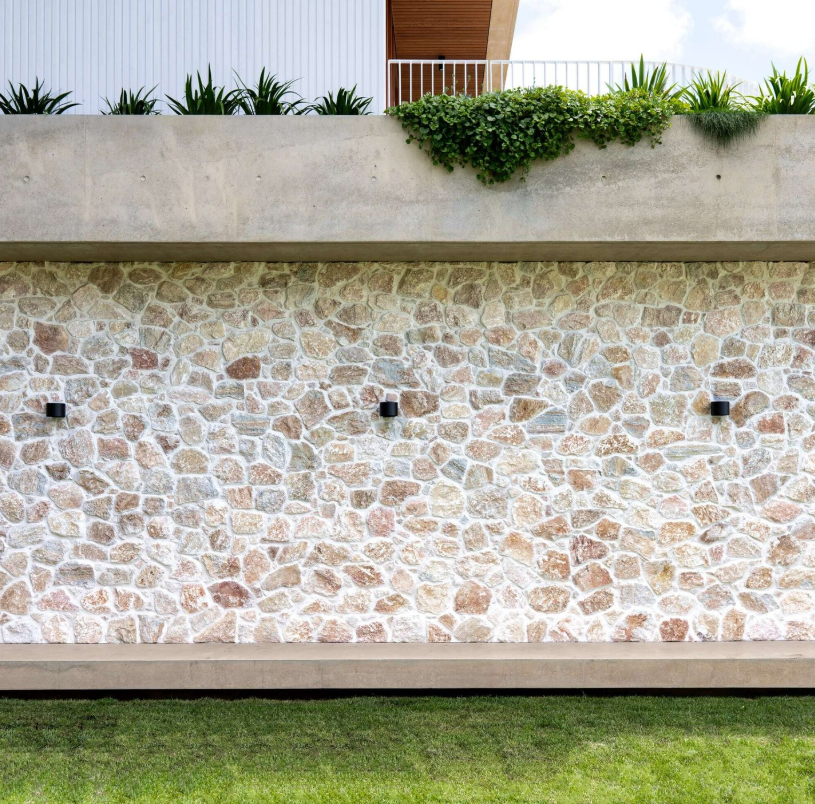
Zidovi na dvorištu, vrtne terase, plantaže i spoljašnje sjedišta prirodni su okviri za slobodne komade. Nepravilni oblici se udobno nalaze uz sadnju, šljunak i pavim. Topla, malo različita mješavina može omekšati beton, dok tamnija mješavina može učiniti zelenu površinu življijom.
4. - Što? Trgovinski i ugostiteljski prostori
Restorani, hoteli, maloprodajni interijeri i recepcijski prostori često koriste labavu obloge od kamena kako bi se uspostavio prepoznatljiv materijalni identitet. Kamen se može nanositi na jednu središnju površinu ili ponoviti na odabranim vanjskim i unutarnjim mjestima kako bi se projekt povezao.
Što čini uspješnim kamenom?
Uvjeren zid treba kontroliranu varijaciju, a ne potpuno jednako. Jasna glavna boja, razumni raspon sekundarnih tonova, mješovite veličine komada i dogovoreni stil spoja omogućuju instalateru da stvori prirodnu kompoziciju bez gubitka vizualne smjernice projekta.
Izvanjski zidovi za veće nadmorske visine
Na dugoj fasadi kamen se vidi izbliza i iz daljine. Jedina tekstura je važna na visini očiju, dok ukupna raspodjela boje postaje važnija na daljini. Stoga tražimo visine, dimenzije zidova i reference slike kad je to moguće. Ti detalji nam pomažu da raspravimo o odgovarajućem rasponu veličina, ravnoteži boja, procijenjenoj količini i mogućim dopuštenjima za otvore, uglove i rezanje.
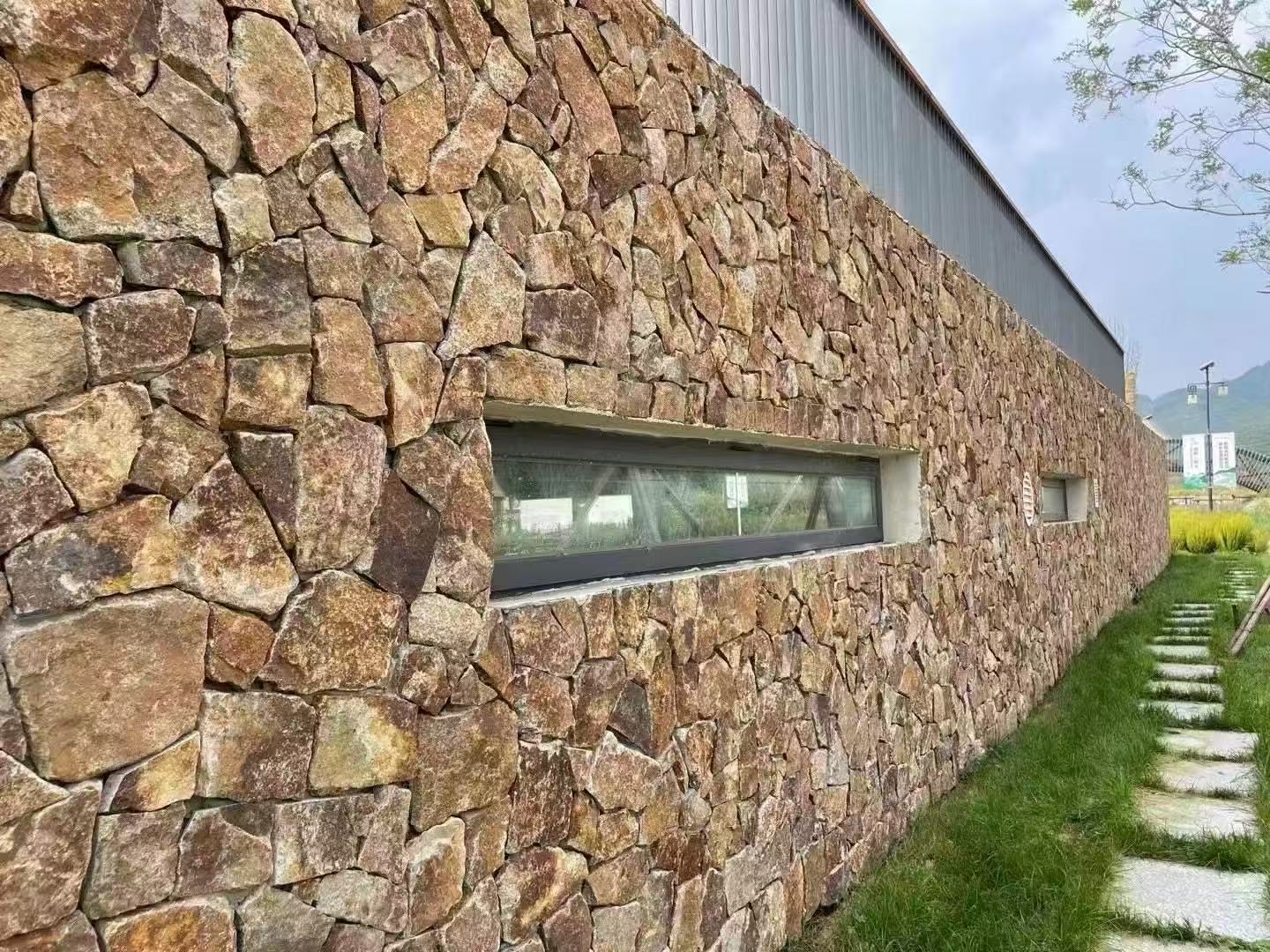
Topla nepravilna kamena obloga daje dugoj zgradi konzistentnu, ali ne ponavljajuću površinu.
Od informacija o projektu do pakiranih dijelova
Prirodna varijacija je dio materijala, ali dodana mješavina još uvijek treba smjer i kontrolu. Nacrti projekta, detalji primjene, omiljene boje i slike inspiracije daju našem timu praktičnu osnovu za preporuku prirodnog kamena. Zbog toga što prikazi i osvijetljenje mjesta mogu promijeniti percipiranu boju, fizički uzorak ili odobreni referentni raspored korisni su za konačnu potvrdu.
Pregledajte projekt
Provjerimo aplikaciju, površinu zida, referenci za dizajn, okolne materijale i željeni vidni opseg.
Potvrdi mješavinu.
Razgovara se o vrsti kamena, tipičnim dimenzijama, varijaciji boje, smjeru zglobova i procijenjenoj količini.
Pripremite se za zalihe
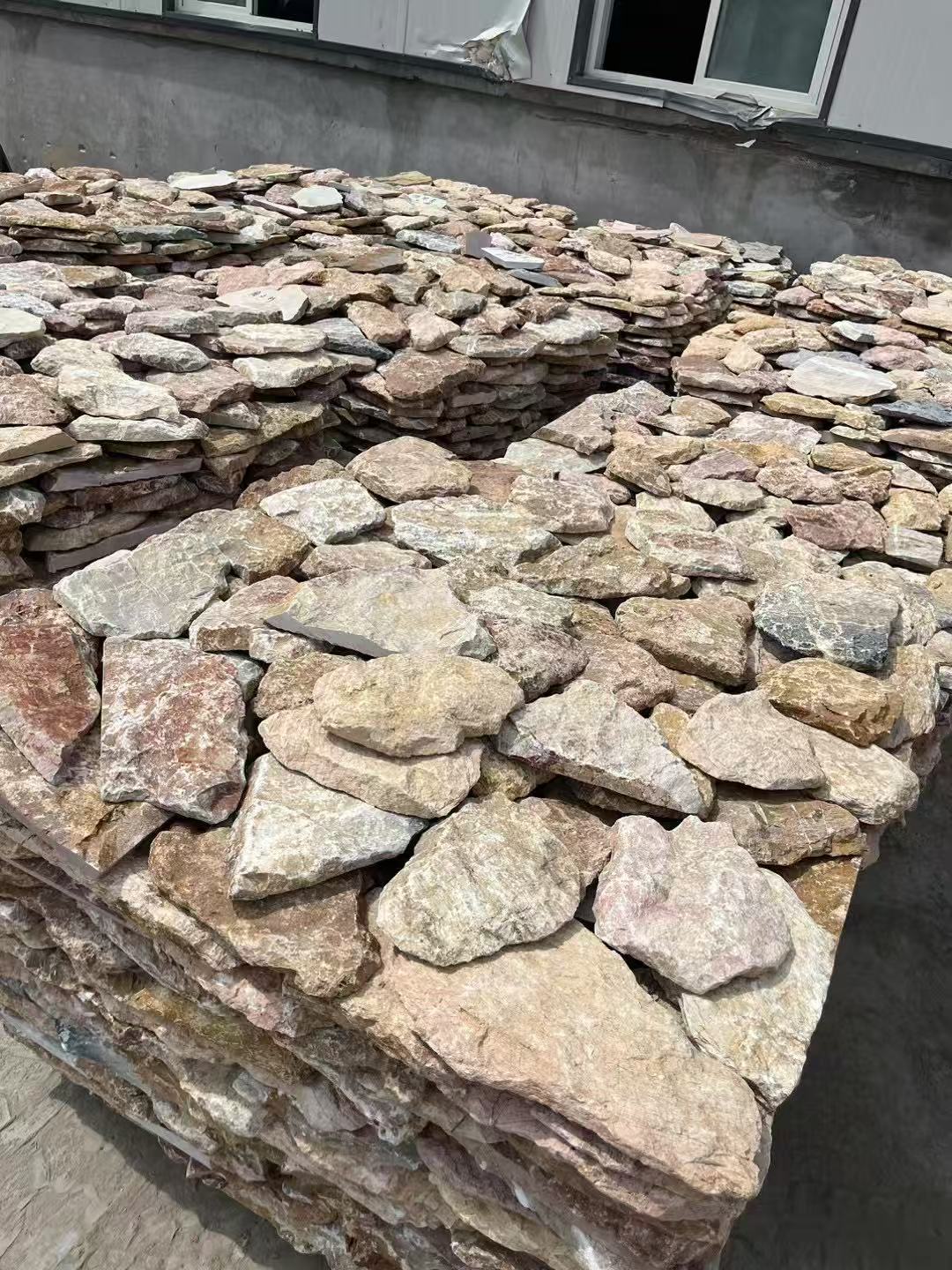
Razdvojni dijelovi organiziraju se i pakiraju za isporuku projekta u skladu s potvrđenim zahtjevima narudžbe.
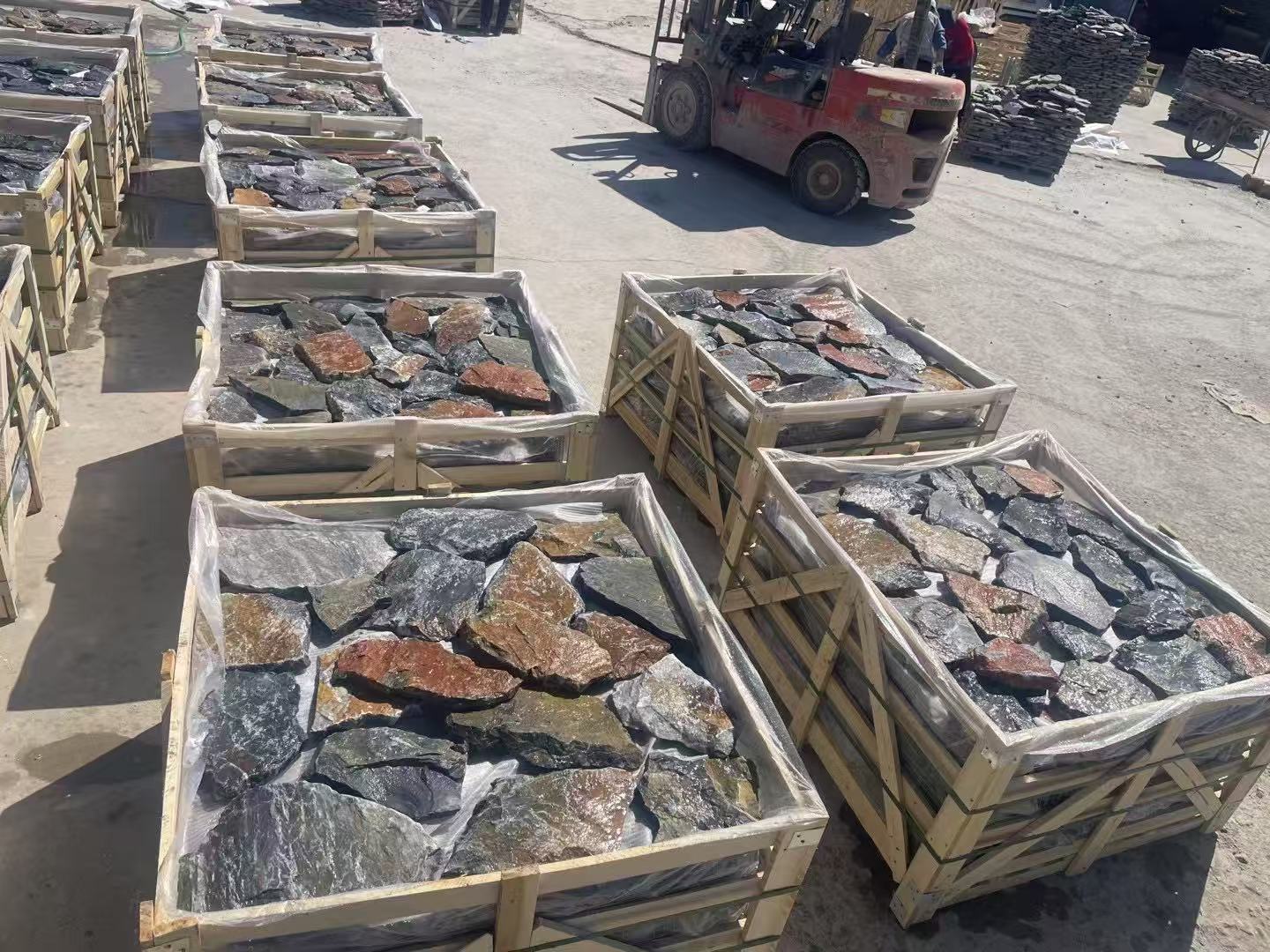
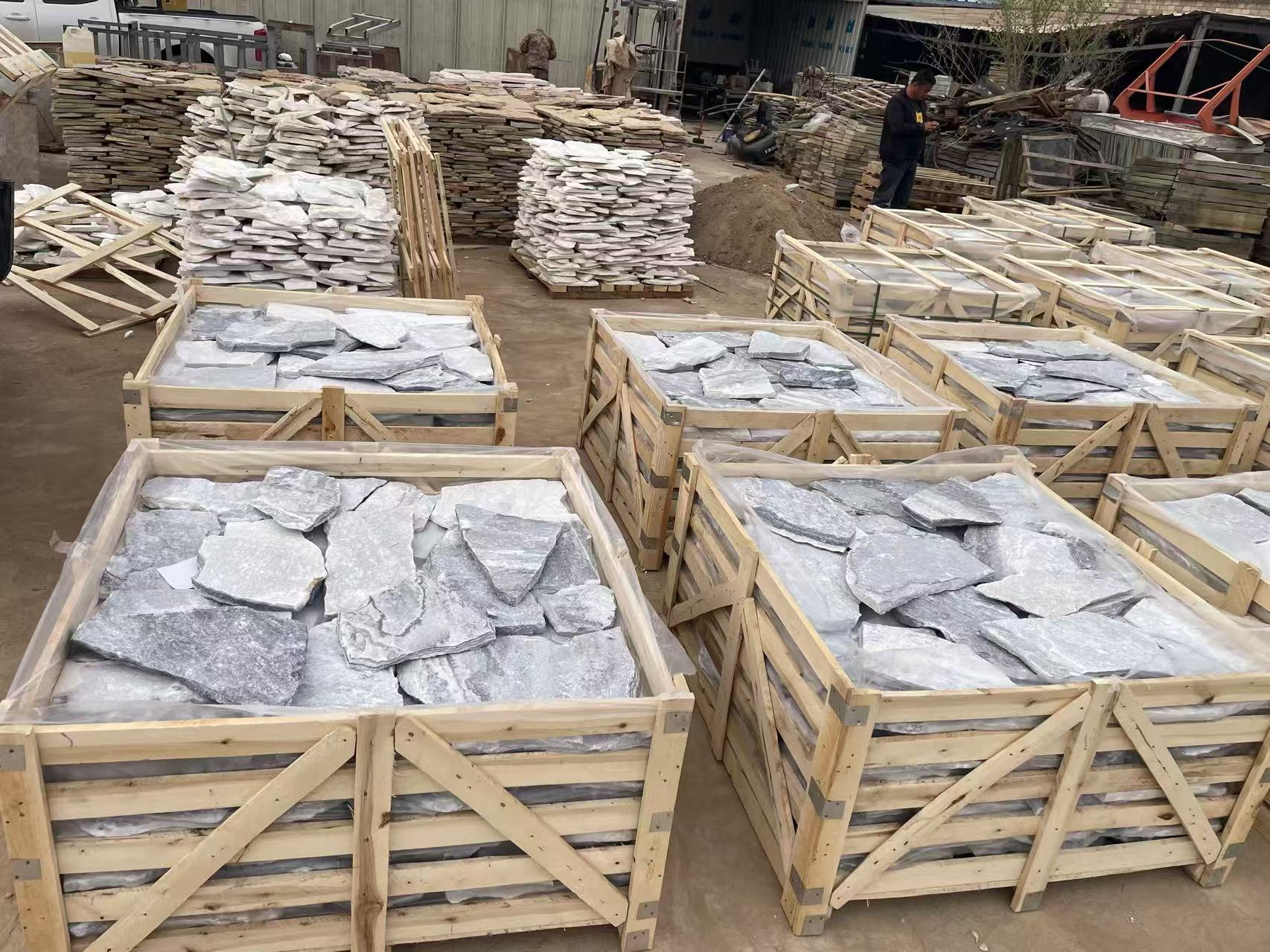
Podatke koje trebate potvrditi prije naručivanja
- Uređaj za proizvodnju: ako je kamen napravljen za unutarnji ili vanjski zid, utvrditi je potrebno. Treba se pridržavati lokalnih građevinskih zahtjeva i stručnih uputstava za ugradnju.
- Zidna površina i dopuštenja: u slučaju da se ne može primijeniti, u slučaju da se ne može primijeniti, potrebno je upotrijebiti sljedeće metode: Točna visina zidova korisnija je od jedne ukupne površine projekta.
- Željeni vidni opseg: odlučite je li projekt treba ograničen palet ili izraženiju mješavinu. U slučaju prirodnog kamena uvijek se može očekivati određena razlika u tonu, žilama, rubovima i teksturi.
- Sastavljanje na mjestu: u slučaju da se u slučaju instalacije ne radi na ispitivanju, u slučaju da se ne radi na ispitivanju, u slučaju da se ne radi na ispitivanju, u slučaju da se ne radi na ispitivanju, u slučaju da se ne radi na ispitivanju, u slučaju da se ne radi na ispitivanju, u slučaju da se ne radi na is To distribuira prirodnu varijaciju preko zida.
Kameni zid koji je okružen projektom
Najbolji lažni kamen obloženi zid nije samo najdramatičniji materijal. To je spoj koji podržava zgradu, radi s obližnjim završetcima i daje instalateru dovoljno varijacije da stvori uvjerljiv zid. Podijelite s nama svoje crteže, aplikacije, omiljene boje i slike inspiracije. Naš tim će pregledati zahtjeve i preporučiti prirodni kamen slobodni dijelovi prilagođeni vašem dizajnu i plan kupnje.