 ×
×
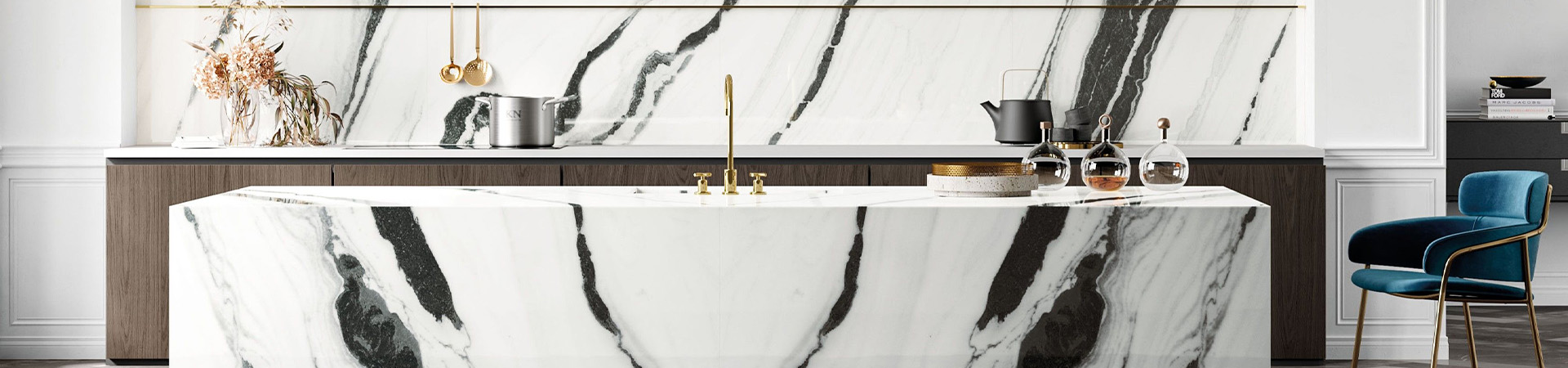
Istražite toplu suvremenu kuću s Taj Mahal kvarcitim u kuhinji, kupaonici, zidovima, stolom za jelo, stubama i prilagođenim kamenim detaljima.
SPREDAJ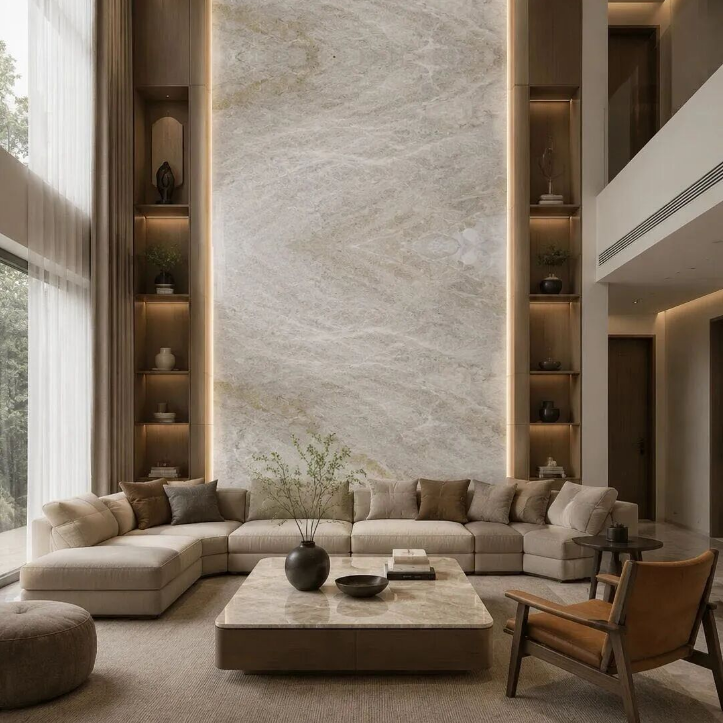
Unutrašnji slučaj od prirodnog kamena
U unutarnjem slučaju koji istražuje kako Taj Mahal kvarcitet povezuje zidove, kuhinjske površine, namještaj za blagovaonicu, kupaone sobe, stube i arhitektonske detalje.

Topli ulaz na zidu gdje je Taj Mahal kvarcitet uravnotežen drvenim, neutralnim završnim dijelovima i indirektnim osvjetljenjem.
Snaga ovog dizajna nije jedna dramatična površina, već kontinuitet stvoren korištenjem istog prirodnog kamena u različitim stupnicama i funkcijama.
Vrsta projekta: Kontemporan dizajn unutarnjih prostorija
Osnovni cilj: Taj Mahal kvarcitske ploče
Glavne primjene: Slika: zidovi, podovi, kuhinjski otok, backsplash, stol za jelo, kupaonica, stubište, prozor i vanity top
Cilj projektiranja: Stvorite toplinu, kontinuitet i prefinjenu prirodnu atmosferu bez jakog kontrasta
01 / Pregled projekta
Ovaj slučaj savremenog stambenog dizajna istražuje kako Taj Mahal kvarcitet može stvoriti konzistentan vizualni jezik u cijeloj unutrašnjosti. Materijal se pojavljuje na zidovima, podovima, kuhinjskim površinama, namještaju, prostorijama za kupaonicu i arhitektonskim detaljima.
Umjesto da se kamen koristi kao jedinstvena ukrasna izjava, dizajn se ponavlja na pažljivo odabranim mjestima. Opći smjer je toplo suvremen: mekak kamen od slonovače, prirodno drvo, neutralna tapeta i slojevito osvjetljenje.
Taj Mahal kvarcitet podržava ovu paletnu s blagom sivom, mornom i umirenom zlatnom movementom. Njegov uzorak je dovoljno vidljiv da doda karakter, ali dovoljno suzdržan da ostane miran na većim površinama.
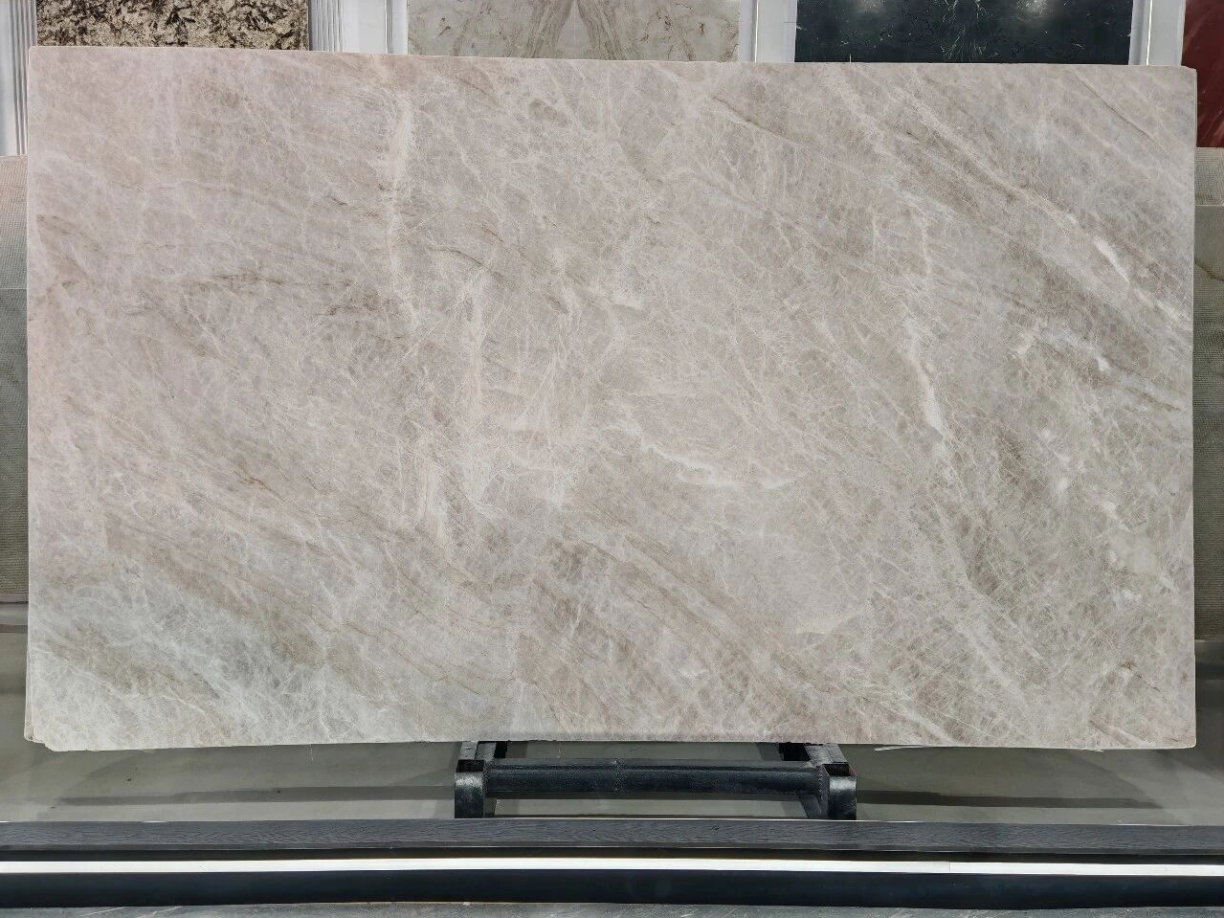
Referenca ploče pokazuje mekanu bazu od slonovače i tekući sivo-bežni pokret koji definiraju materijal.
02 / Izbor materijala
Taj Mahal kvarcitet često se bira za unutrašnjost koja zahtijeva eleganciju prirodnog kamena bez oštre kontraste mnogih bijelih mramora. Njezina topla pozadina od slonovače prirodno se uklapa u hrast, orah, bronzane detalje i tople boje tkanina.
U konstrukciji više soba, ova ravnoteža je posebno korisna. Kamen može postati središnja točka na zidu ili otoku, a zatim se pojaviti tiše na podu, pregradi ili vanity. Ponavljanje stvara kontinuitet, ali svaka aplikacija i dalje ima svoju svrhu i vizualnu težinu.
U skladu s člankom 3. stavkom 2. Fotografije cijele ploče, planiranje suvog rasporeda i potvrda smjera vene pomažu kontrolirati konačni izgled prije rezanja.
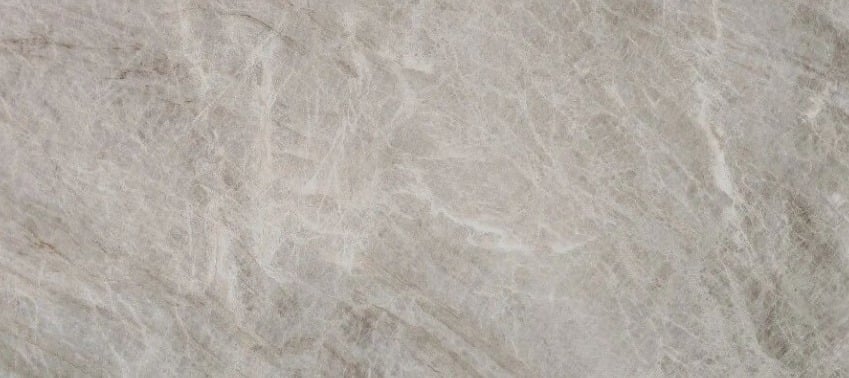
Bliži pogled pomaže u usmjeravanju vene, postavljanju ploča i odnosu između susjednih komada.
03 / Življenje i jela
U dnevnoj sobi, Taj Mahal kvarcitet čini mirnu arhitektonsku pozadinu umjesto pretjerano dekorativnog zida. Veliki formati panela omogućuju da prirodno kretanje ostane vidljivo, dok tanki zglobovi i kontrolirani smjer vene stvaraju čistiju kompoziciju.
Stolica i pod proširuju materijal izvan zida. Ove primjene variraju u razmjeru, tako da se kamen jezik osjeća povezanim umjesto ponavljanjem.
U blagovaonici, kamena stolna površina postaje glavni funkcionalni središnji dio. Njegov suptilan uzorak dodaje detalje bez natjecanja s osvjetljenjem, stolicama ili umjetničkim radovima.
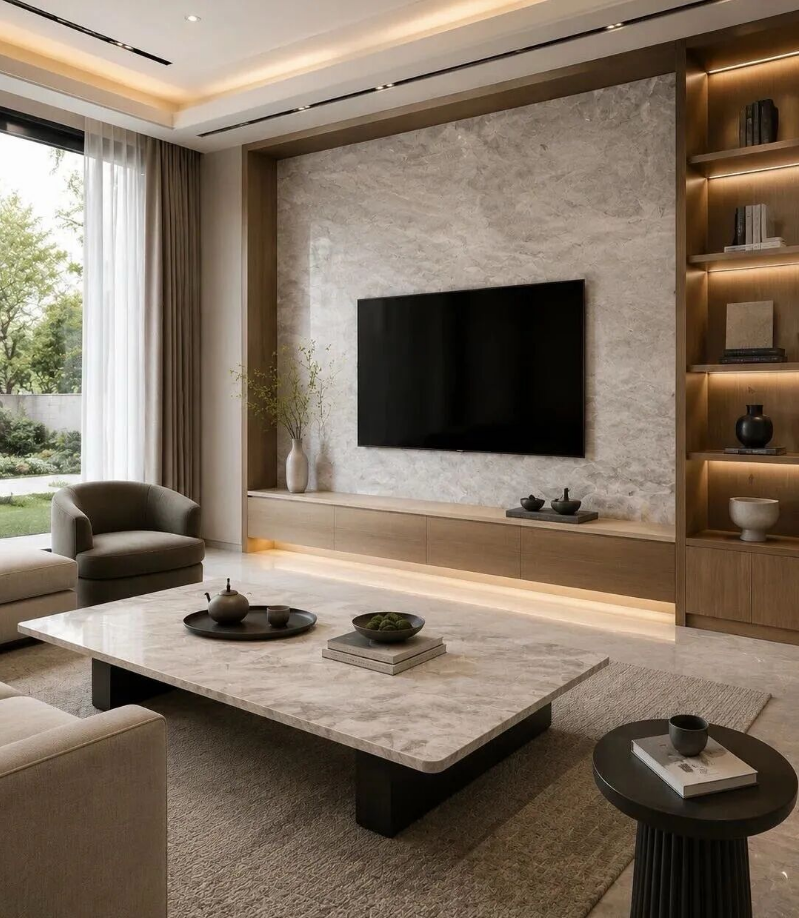
Dnevna soba: zid, pod i stolica koriste isti kamen u različitim mjerama.
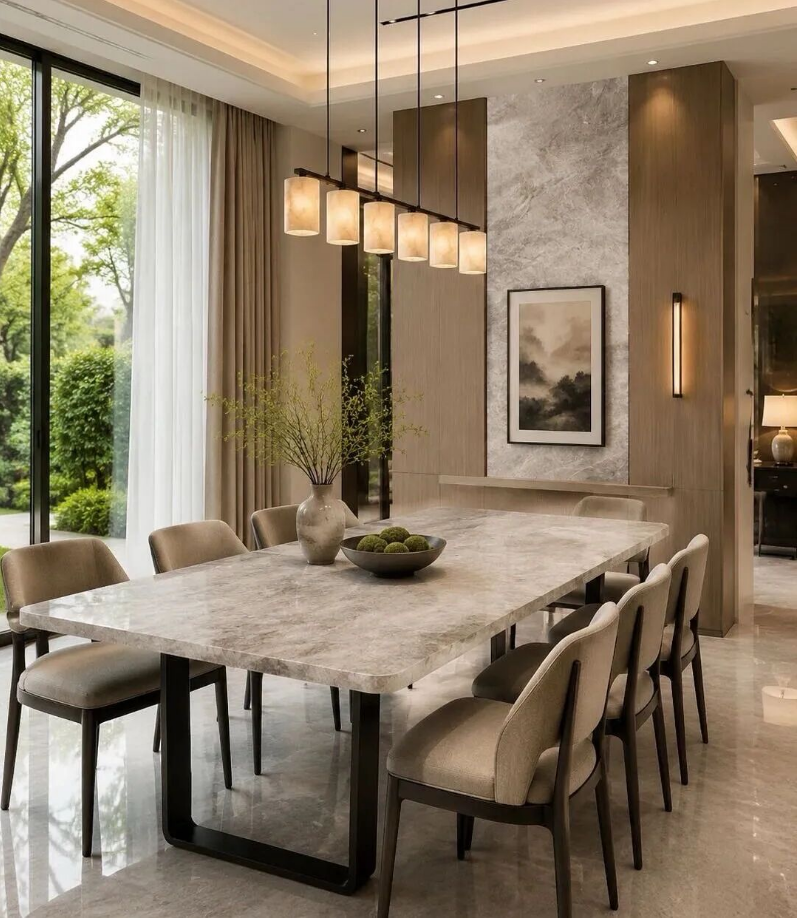
Jedilnica: velika kamena stolna površina nastavlja materijalni jezik u više taktilnoj primjeni.
04 / Kuhinja
Kuhinja je mjesto gdje vizualni učinak i preciznost proizvodnje moraju raditi zajedno. U ovom dizajnu, otok je glavna kamena karakteristika, podržana odgovarajućim zadnjim pramenom i odabranim zidnim površinama.
U slučaju da je u pitanju vodopad, u slučaju da je u pitanju vodopad, vodopad je najuspješniji kada je protok vene planiran preko horizontalnog gornjeg i vertikalnog krajnjeg panela. Sink u slučaju da se ne primjenjuje primjena ovog članka, proizvođač može upotrijebiti sljedeće metode:
Za svakodnevnu kuhinjsku upotrebu, važna je profesionalna proizvodnja, odgovarajuće zapečaćivanje i rutinska nega. Izborne obloge moraju biti u skladu s praktičnim zahtjevima projekta, a istovremeno čuvati prirodni karakter kamena.
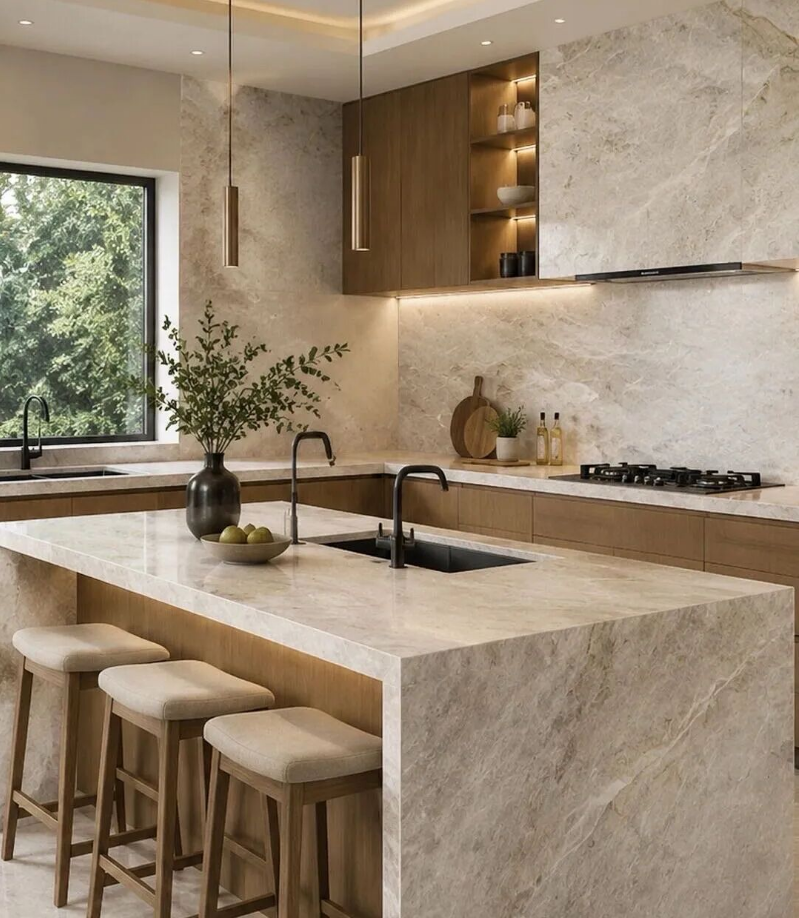
Otok, pozadinski prsci i zidne površine stvaraju jednu kontinuiranu kuhinjsku kompoziciju Taj Mahal kvarcita.
05 / Kupaonica i Vanity
U kupaonici, površine velikog formata smanjuju vizualne prekide i omogućuju kamenu da obuhvati sobu mirnim, kontinuiranim efektom. Integracija svjetla naglašava mekane slojeve unutar vene.
Tačnost pokazuje više usmjerenu primjenu. U ovoj skali, kvaliteta rubova, rezovi i odabrani dio ploče postaju posebno primjetni.
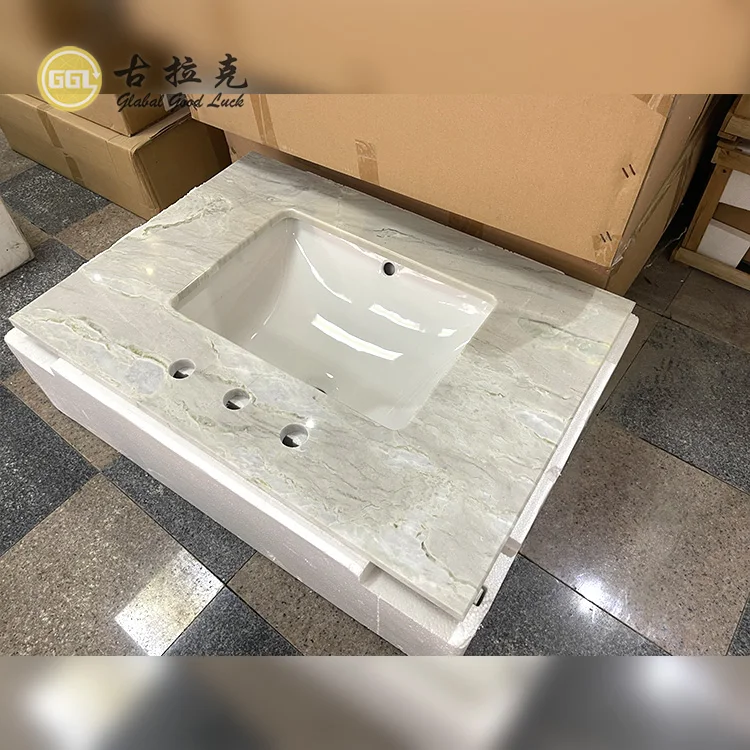
Uloženjem vode u vodovod U slučaju da se ne primjenjuje presjek, testiranje se provodi na temelju podataka iz članka 4. stavka 2.
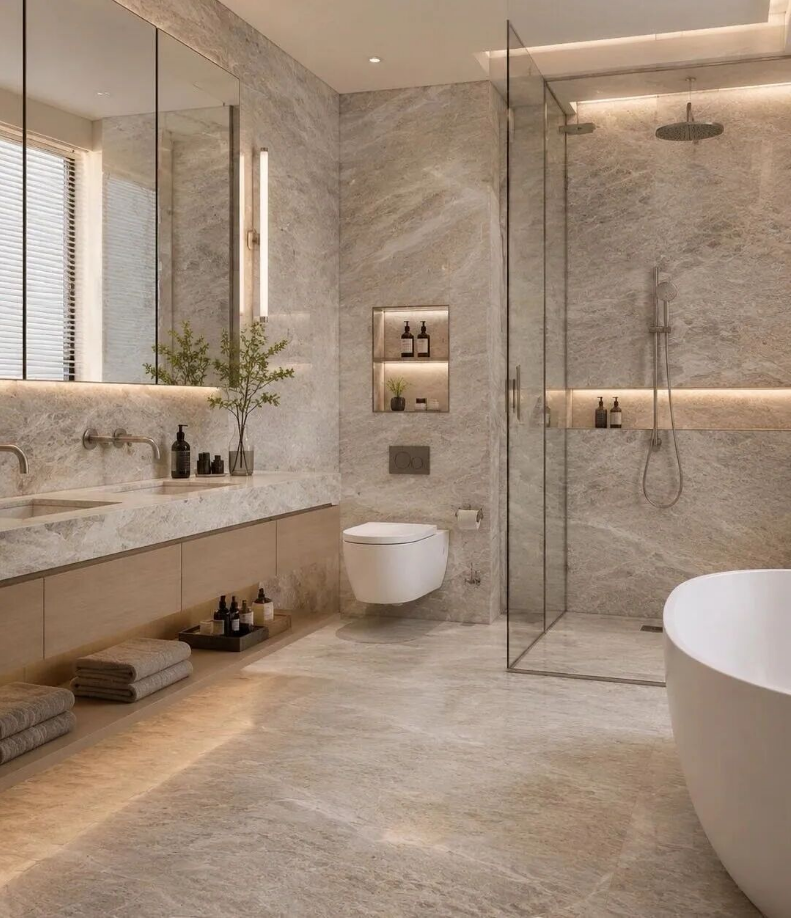
Veliki oblik zidnih i podnih aplikacija stvara tiši, neprekidniji omotač.
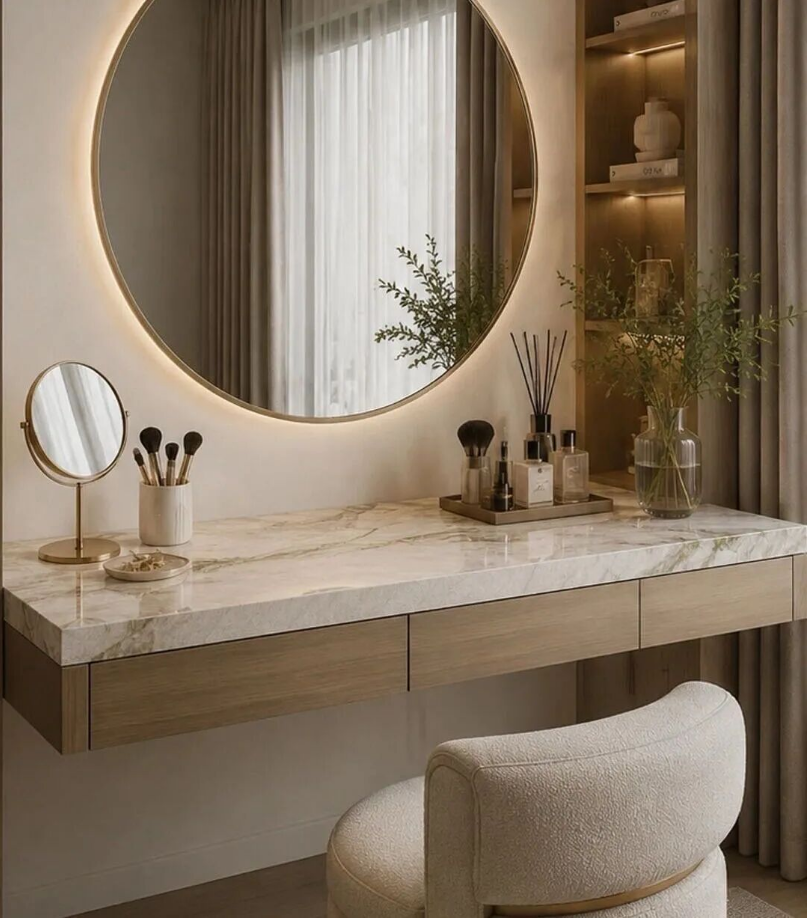
U slučaju da je u pitanju uobičajena površina, uobičajena površina može se koristiti za izravnu upotrebu.
06/ Uređene primjene
Na stubištu, ponavljaju se stepenice koje stvaraju arhitektonski ritam, dok toplo osvjetljenje stepenica ističe dubinu materijala. Precizni šabloni, dimenzije polja, detalji nosa i strukturna podrška su neophodni prije proizvodnje.
Na prozoru, kamen čini širok ogradu i ugrađen sjedala površinu. Ova aplikacija pokazuje kako se isti materijal može promijeniti od dramatičnog zida ili otoka u tiši detalj sličan namještaju.
Korištenje jednog prirodnog kamena preko različitih elementâ prilagođenih osobinama jača identitet enterijera. Ključ je u varijaciji u obimu i funkciji.
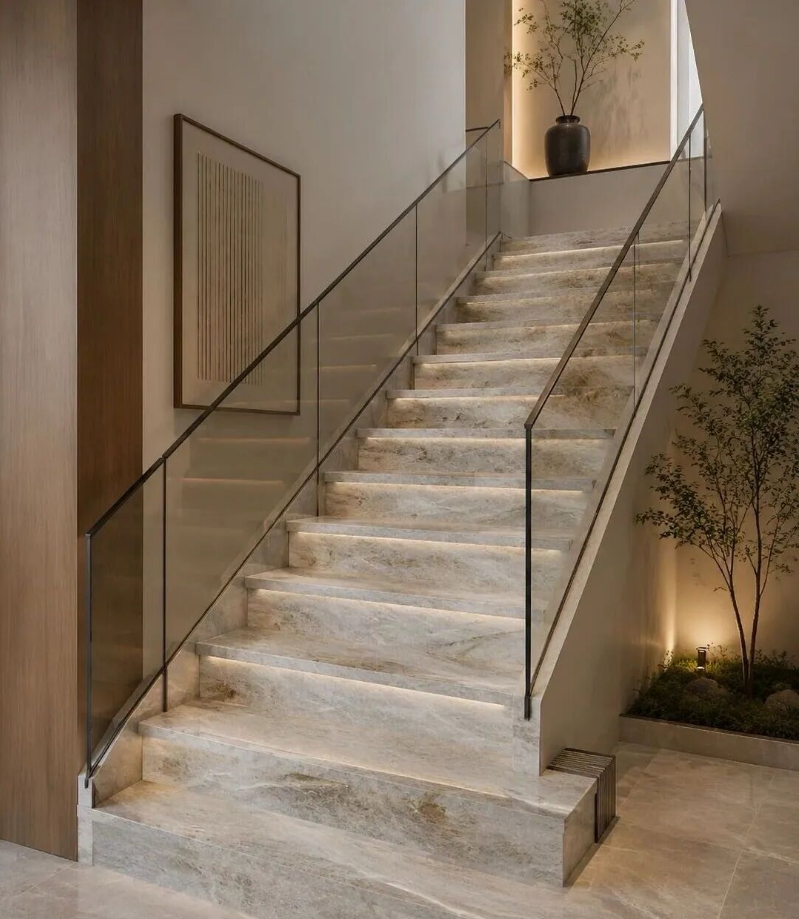
Ponavljajuće korake pretvaraju prirodne vene u arhitektonski ritam.
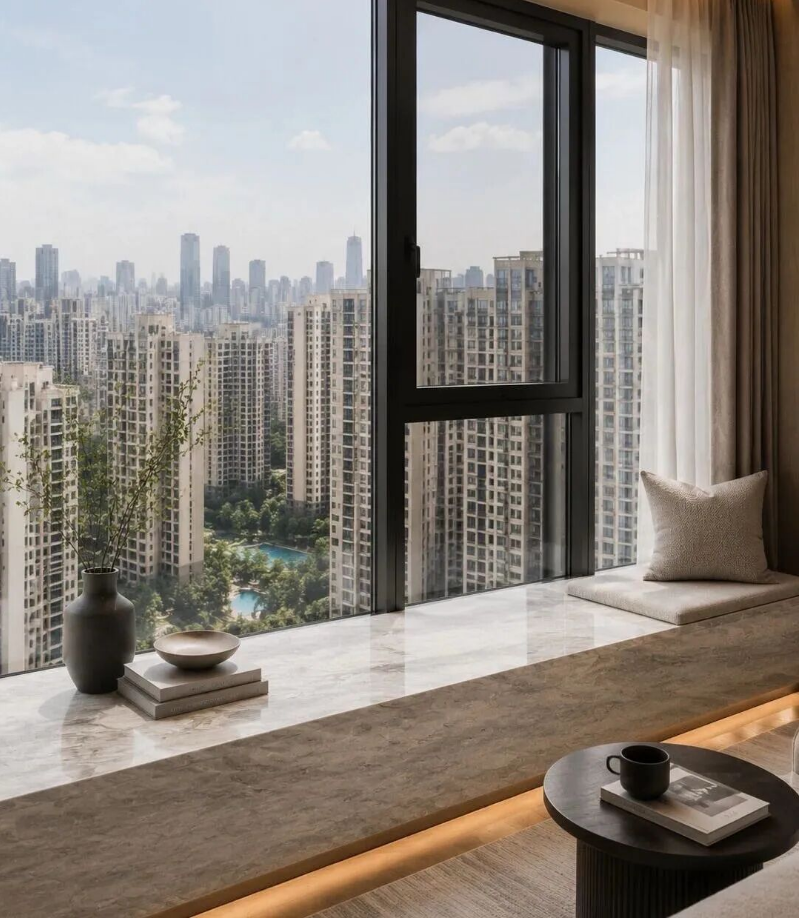
Kamen postaje dio namještaja i okvira vanjski pogled bez dodavanja vizualnog nereda.
07 / Prioritetni proizvodi
01.Pregledajte fotografije i označite željene dijelove za svaku aplikaciju.
02.Potvrdi smjer vene i položaje zglobova na zidovima, otokima i stubišnim dijelovima.
03.Pripremite točne crteže za izrezke, rubove, izbočine i prilagođene profile.
04.Prikažite najpoželjnije dijelove na najvidljivijim površinama.
05.U slučaju da je vozilo u stanju da se odvija u skladu s tim zahtjevima, mora se provjeriti da je vozilo u stanju da se odvija u skladu s tim zahtjevima.
06.U slučaju da je proizvodni proizvod izravno izravno izravno izravno izravno izravno izravno izravno izravno izravno izravno izravno izravno izravno izravno izravno izravno izravno izravno izravno izravno izravno izravno izrav
Konačni rezultat
Taj Mahal kvarcitet može biti arhitektonski na zidu, funkcionalno na kuhinjskom otoku, smirujuće u kupaonici i precizno na prilagođenom vanity ili stubištu. Razborito odabir ploča, precizna izrada i planirano osvijetljenje omogućuju materijalu da stvori unutarnji prostor koji se osjeća povezanim, prefinjenim i udobnim.
Pošaljite nam planove podova, nadmorske visine, popis zahtjeva, željenu završetak i procjenu količine za savjet o izboru ploče i izradi.
Zahtijevam citat Istražite kamene materijale