





Marmorski oblikovi mogu biti mali u usporedbi s pločama, pločicama ili zidnim pločama, ali mogu iznenadno utjecati na završni izgled unutarnjeg prostora.
Koriste se za okvir zidova, završetak rubova pločica, naglašavanje arhitektonskih detalja, stvaranje prijelaza između materijala ili jednostavno dodavanje još jednog sloja dubine prostoru.
Od tankih obloga za olovke do dekorativnih korniša i urezanih profila, marmorni oblici dostupni su u mnogim oblicima i veličinama. Pravi izbor ovisi o stilu projekta, području gdje se instalira i okolnim materijalima.
U ovom vodiču razmotrit ćemo najčešće vrste marmornih obloga, gdje se koriste i nekoliko praktičnih ideja za njihovo uključivanje u dizajn enterijera.
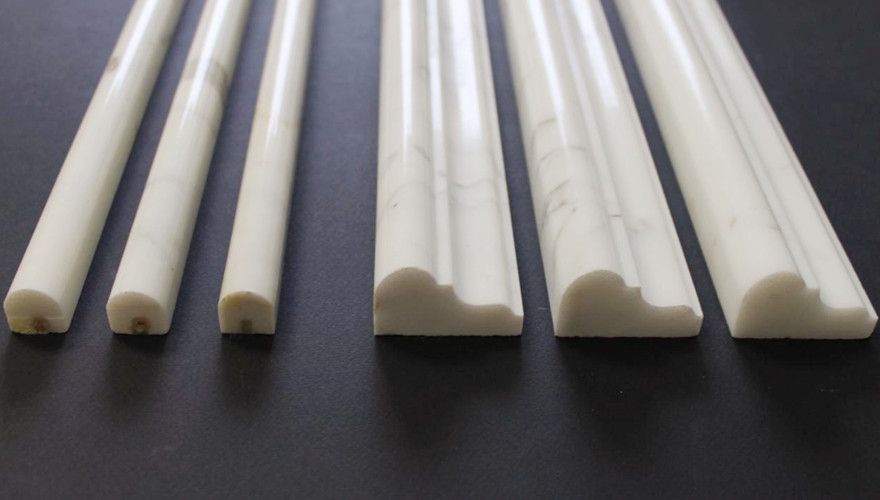
Što je profil za oblikovanje mramora?
Profil za oblikovanje marmura odnosi se na oblik poprečnog presjeka oblikovanja.
Neki su profili jednostavni i neobraženi, dok drugi imaju zakrivljenosti, korake, rupu ili urezane detalje. Profil utječe na vizualni izgled i na način na koji svjetlost i sjena padaju preko kamena. Čak i mala promjena oblika može učiniti da oblik izgleda moderno, klasično, odvažno ili delikatnije.
Za projekte na zahtjev, profil se također može proizvesti iz crteža, uzorka ili referentne slike.
Česti tipovi mramornih kalupova
1. za Umjetnička obrada
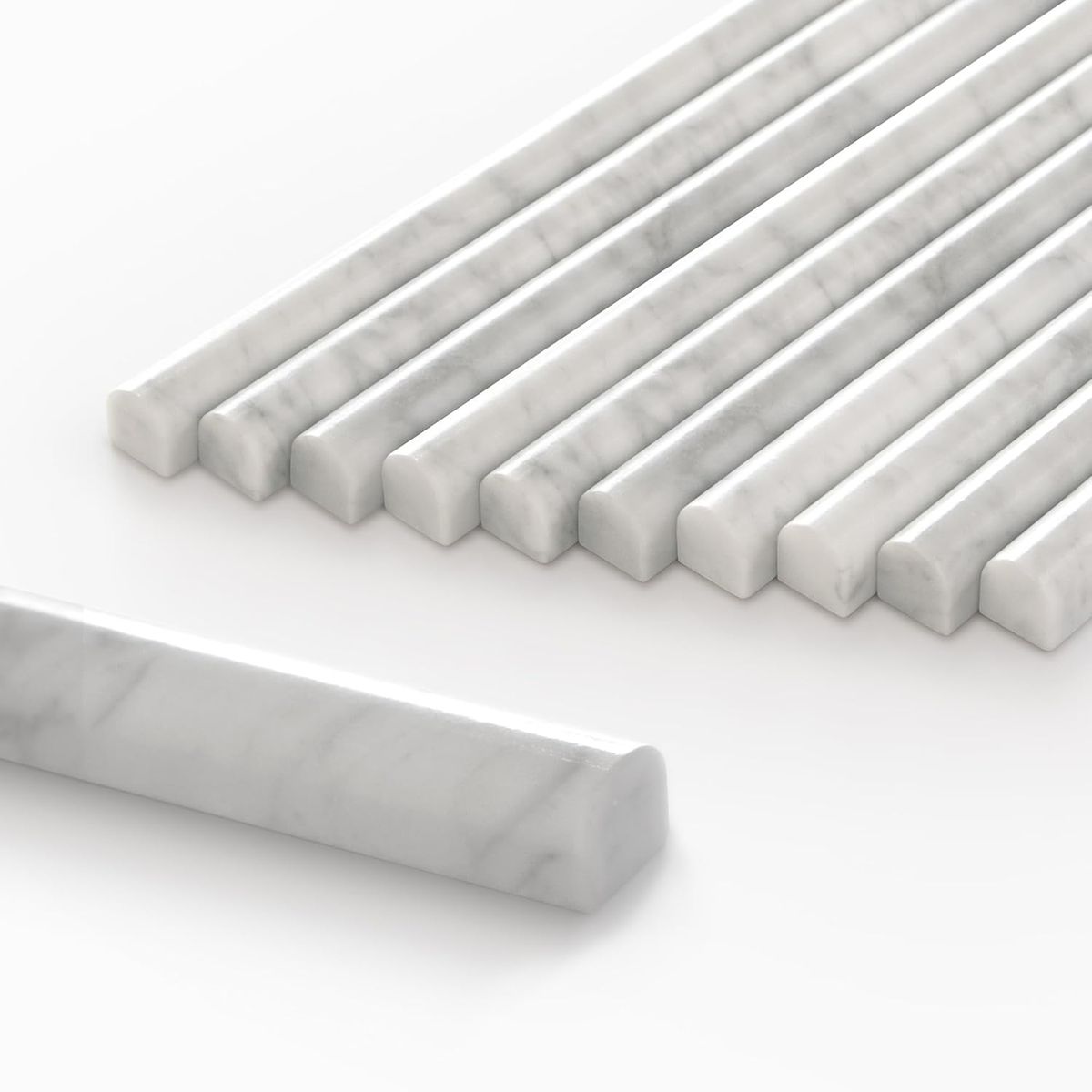
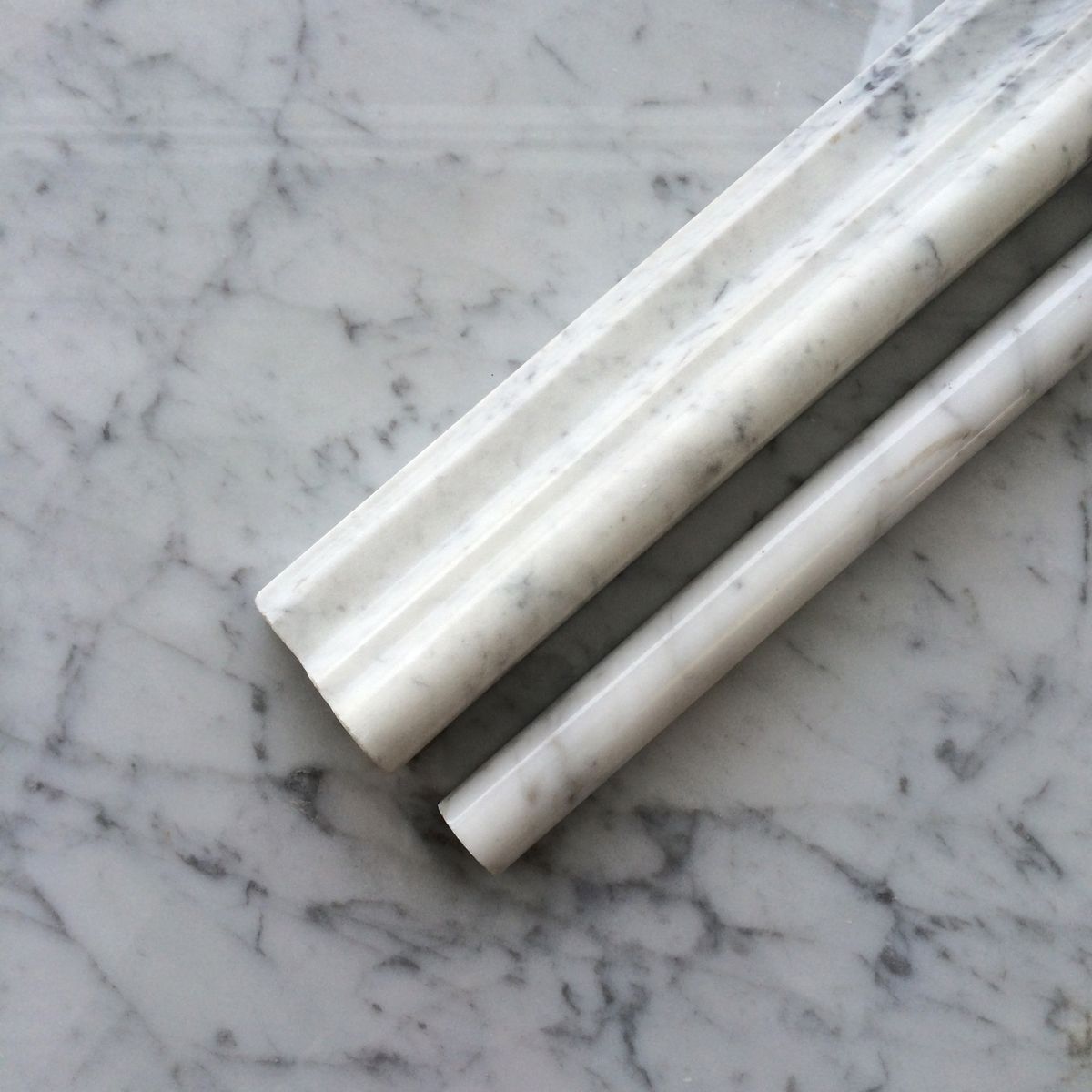
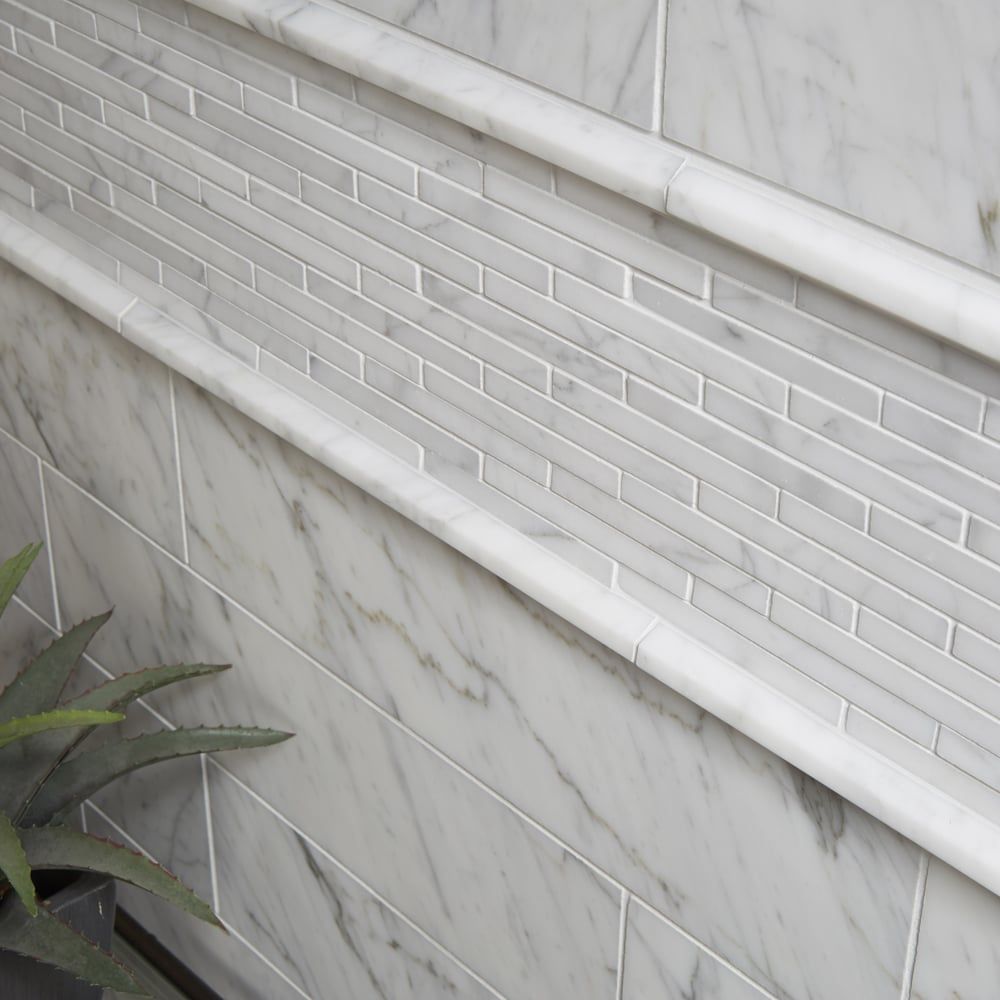
Marmorna olovka je tanka dekorativna kamena obloga, obično okruglog ili blago zakrivljenog profila. Obično se koristi za završetak rubova pločica, okvir mozaika ili stvaranje suptilnih prijelaza između različitih zidnih materijala.
Zbog svoje male veličine, dobro se koristi kada je potreban čist završni detalj bez da se dizajn osjeća previše teškim.
- Krante pločica za zidove kupaonica
- Kuhinjski backsplash
- Mozaik granicu
- Slika oko zrcala
- Dekorativni zidovi paneli
- Prelazi između različitih materijala
Oštrice su posebno korisne u modernim interjerima jer dodaju definiciju dok održavaju čisti izgled.
Carrara, Calacatta, Thassos, Crema Marfil i Nero Marquina mogu se koristiti ovisno o okolnom materijalu pločice ili zida.
2. - Što? Marmorna šina za stolice
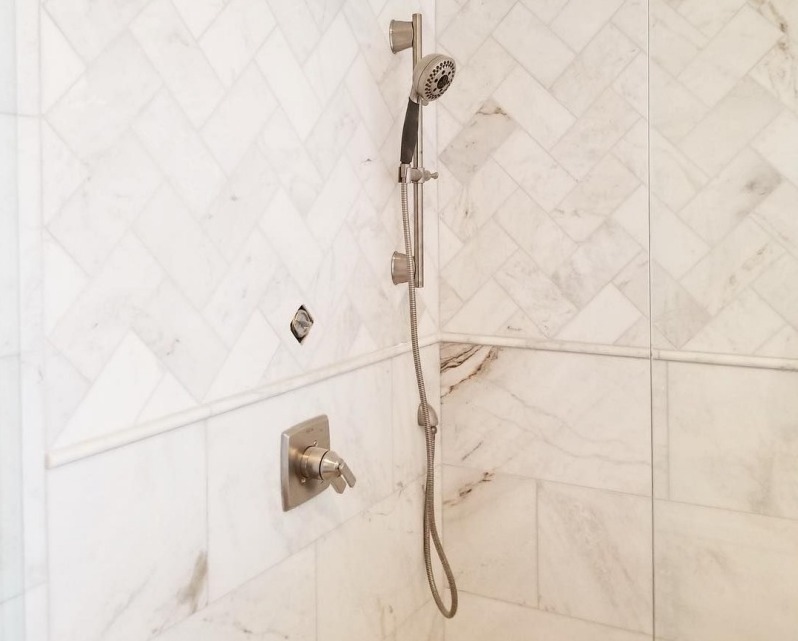
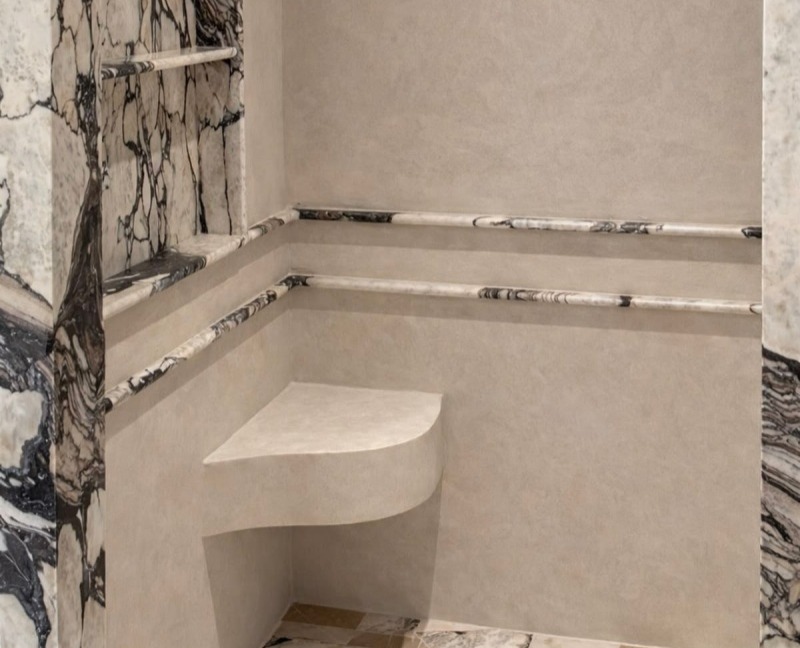
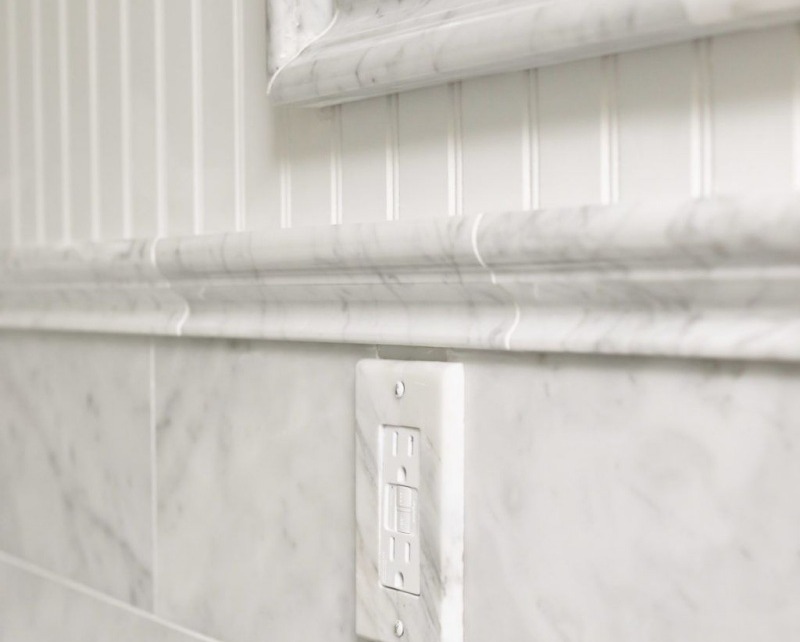
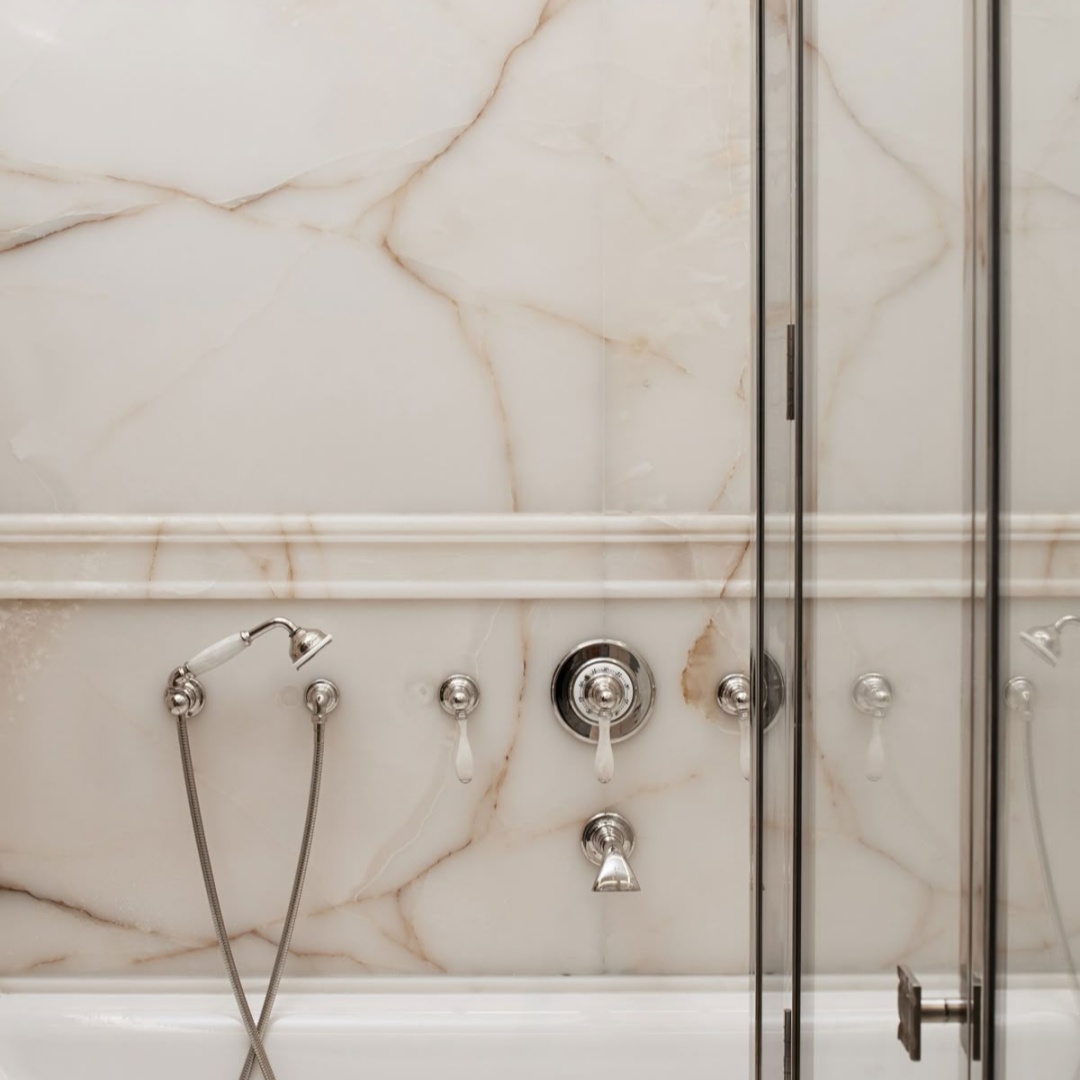
Stroj za oblikovanje stolice obično je širi i dimenzije veće od obloge za olovku. Obično se koristi za podjelu zidova, završetak obloge ili za stvaranje dekorativne granice oko marmorskih pločica i mozaika.
Tipične upotrebe
- Zidovi u kupaonici
- Sljedeći članak
- Hoteli
- Slika
- Klasični enterijeri
- Dekorativni zidni rubovi
Šipka za stolice sa zakrivljenim ili stepenivim profilom može stvoriti primjetne linije sjene, što zid daje više dubine. Za savremeniji izgled, može se koristiti jednostavniji profil.
3. Slijedi sljedeće: Uređivanje i obrada marmornih podloga
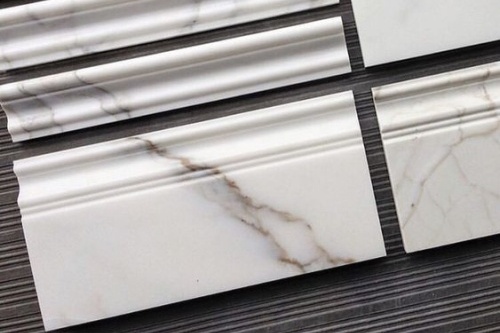
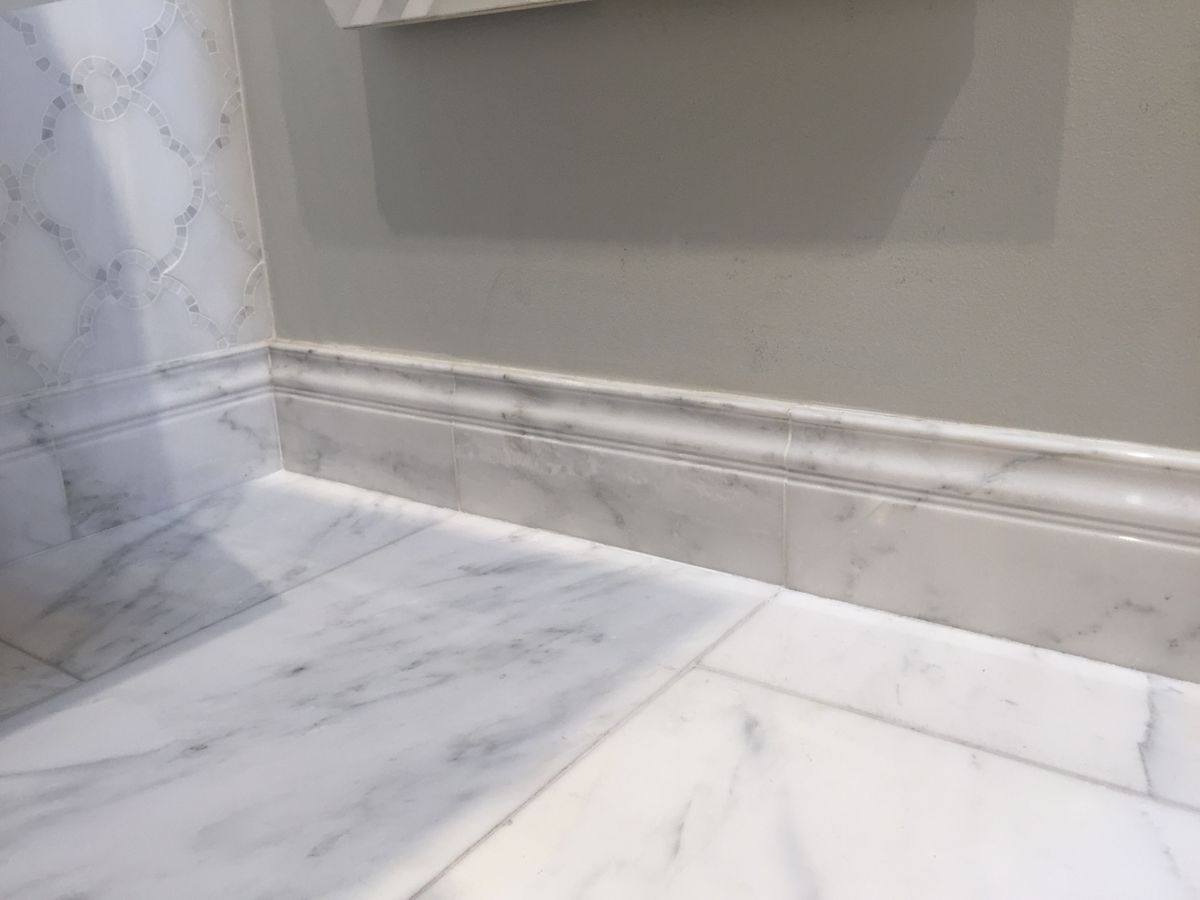
Podloge i podloge postavljeni su tamo gdje zid susreće pod. Oni pomažu zaštititi donji dio zida, a istovremeno stvaraju čistiji vizualni prijelaz između vertikalne i horizontalne površine.
Profili mogu biti od jednostavnih ravnih suknji do dekorativnijih dizajna s zaobljenim, koraknim ili urezanim detaljima.
Zajednička primjena
- Ville
- Hoteli
- Ulaz u stan
- Koridori
- HOLI
- Luksuzna stambena interijera
Kad su pod i podnožje napravljeni od istog mramora, rezultat može biti bezšivan i usklađen. Za jači vizualni kontrast, tamniji mramor se također može koristiti protiv svjetlijih zidova ili podova.
4. - Što? Marmorski korni i oblikovanje krune
Marmorski korni i krunske obloge imaju veće, dimenzionaltnije profile s krivuljama, koracima i slojevitim detaljima.
Obično se koriste na spojevima zidova i stropa, oko kamina, vrata, stubova i drugih arhitektonskih značajki gdje je potrebna snažnija dekorativna izjava.

Tipične primjene
- Spojnice zidova i stropa
- Kamin okruženje
- Uređaji za otvaranje vrata i prozora
- Stojci i arhitektonske značajke
- Pet. Odrezan i urezan marmorni kalup
Ne odgovara svaki projekt standardnom profili. Marmorne kalupke se mogu proizvesti od crteža, CAD datoteka, uzoraka ili referentnih slika, što omogućuje dimenzijama i profilu da se poklapaju s specifičnim arhitektonskim detaljima.
Za više dekorativnih projekata, urezani marmorski oblikovi mogu također uključivati cvjetne, geometrijske ili klasične motive. Obično se koriste u vilama, hotelima, kaminama, okruženjima vrata, stubovima i na obnovi.
Gdje se obično koriste marmorne obloge?
Mramorni kalup je vrlo svestran i može se koristiti u stambenim i komercijalnim prostorima.
Kupaonice
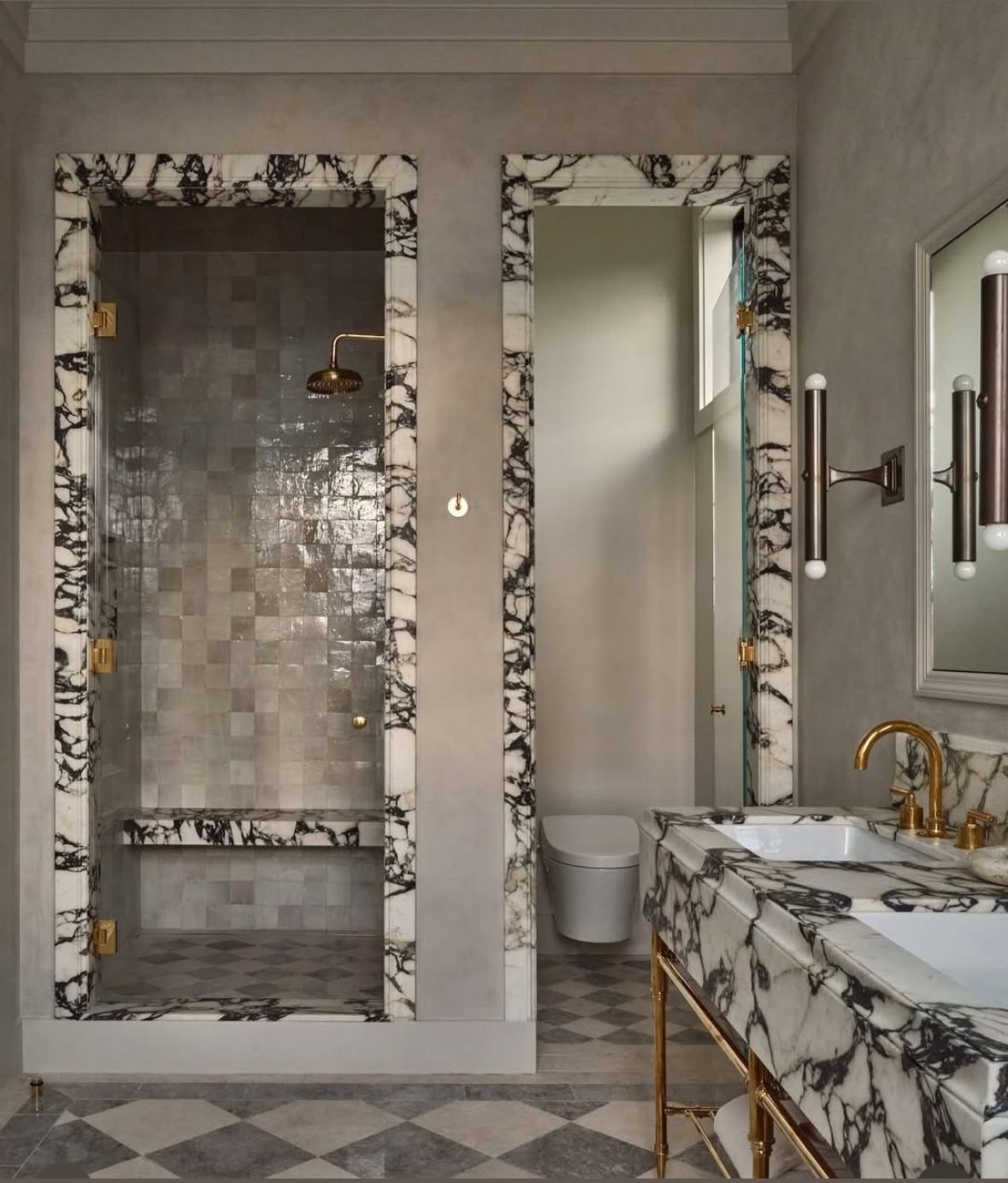
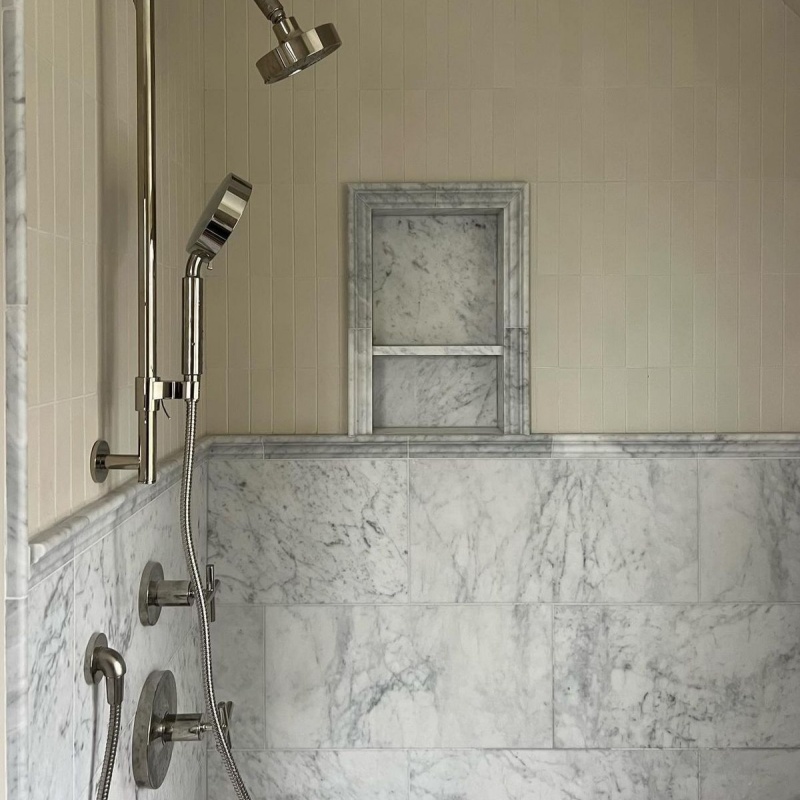
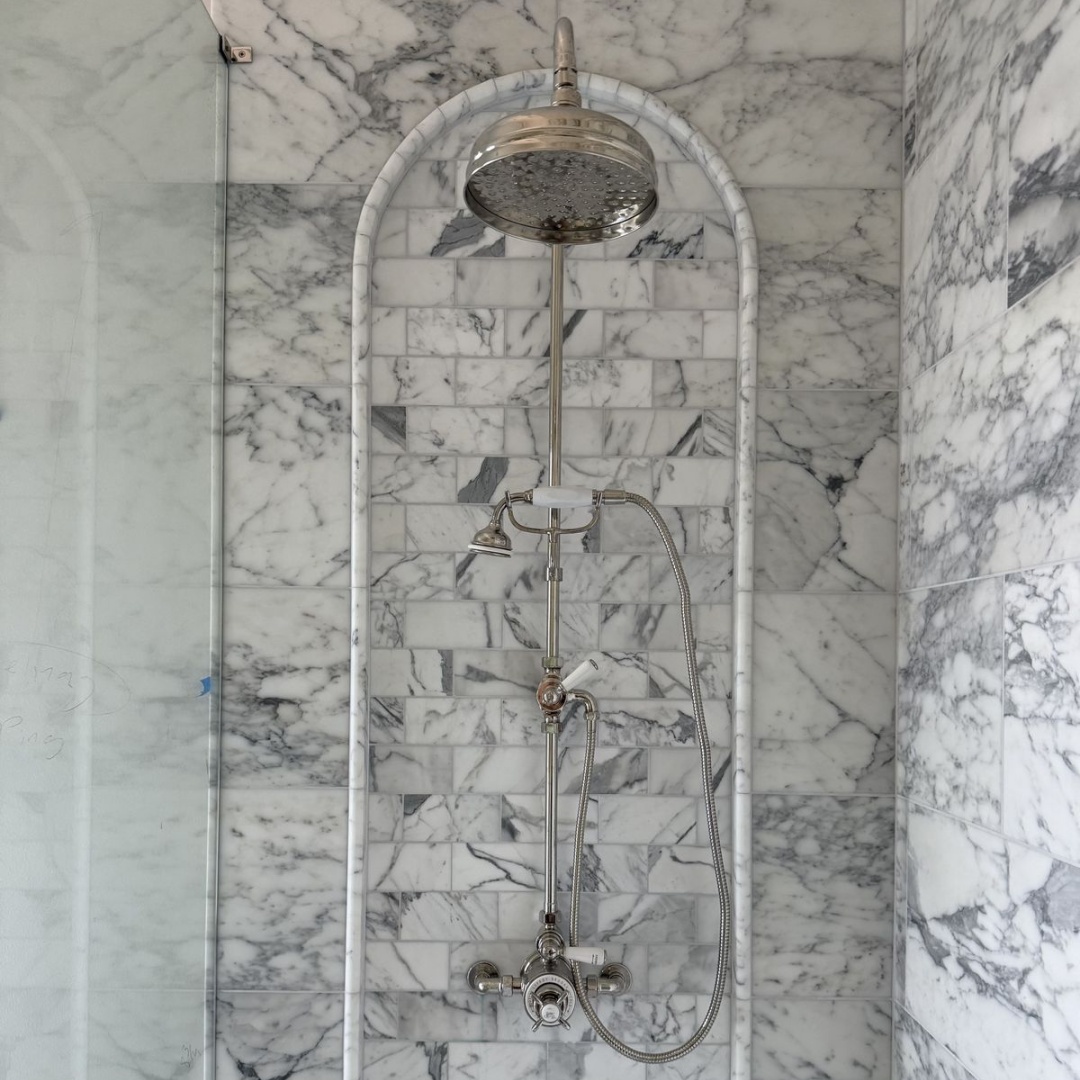
Koristite oblikovanje za završetak rubova pločica, okvir ogledala, podjele zidova ili povezivanje mozaika s marmornim pločicama većeg formata. Profili od olovke odgovaraju čistim modernim kupaonicama; šipke za stolice i urezani profili dobro se koriste u dekorativnijim unutrašnjostima.
Kuhinje
Mramor može okružiti pozadinske prsnice, okružiti poklopac i zidne ploče ili stvoriti čist prijelaz gdje kamen susreće obojene zidove.
Dnevne sobe i zidovi
Okvir TV zidova, marmorskih ploča ili dekorativnih kamenih dijelova da biste dodali dubinu bez vizuelnog otežanja cijelog zida.
Kamini
Različiti profili mogu okružiti otvor, povezati kamin sa zidom ili izgraditi slojevite arhitektonske detalje. Jednostavan profil izgleda moderno; zakrivljeni ili urezani oblikovi odgovaraju klasičnim kaminama.
Hoteli i komercijalni enterijeri
Korištenje kalupova pomaže u stvaranju čistih prelaza gdje se kamen, metal, staklo, drvo i mozaik susreću, a javnim prostorima daje završniji dizajnerski jezik.
Okruženje vrata i prozora
Mramorne obloge mogu okružiti vrata i prozore ravnim, slojevitim ili rezbanim omotačima prilagođenim proporcijama i stilu otvora.
Kako odabrati pravi oblik marmura
Prije nego što izaberete oblik, razmotrite nekoliko praktičnih točaka.
Koje informacije su potrebne za oblikovanje marmura po narudžbi?
U slučaju zahtjeva za ponudu, korisno je dati što više sljedećih informacija:
Ako se ne može dobiti točan crtež, korisna je i fotografija ili fizički uzorak.
Zaključak
Marmorni oblikovi mogu biti samo finalni detalj, ali mogu snažno utjecati na cjelokupnu kvalitetu kamene instalacije.
Pravi profil može stvoriti čistije prijelaze, istaknuti važne arhitektonske značajke, okružiti dekorativne materijale i dodati dubinu inače jednostavnoj površini.
Od tankih obloga za olovke do rezanih korniša i prilagođenih arhitektonskih profila, ne postoji jedan oblik koji odgovara svakom projektu. Najbolji rezultat dolazi od izbora profila, veličine, mramora i završetka u skladu s okolnim dizajnom.
Ako već imate crtež, profil, uzorak ili referentnu fotografiju, može se proizvesti i prilagođeni marmorski oblikovi koji odgovaraju specifičnim zahtjevima projekta.
Imate projekt oblikovanja marmura po narudžbi?
Pošaljite profil, dimenzije, izbor i količinu marmura kako bi se raspravljalo o odgovarajućem proizvodnom rješenju.
Zatražite prilagođenu ponudu