 ×
×
Minn in-numru kbir ta' regali li l-Burraż ħa jagħmel lil bnedmin, il- żonżur sempre ħadet pożizzjoni unika.
Jagħmel minn ħofra ħafna ġewwa tal-livelli tat-tarf, jisba ħafna ħin u pressjoni, isir ippreservat b'mod sħiħ, u fl-aħħar isir parti mis-seħħa u l-biżaħ tal-bnedmin.
Bejn il-biżerja kollha tan-natural marblu, il-blù huwa ħażina l-iktar intriganti u wkoll l-iktar rari.
Imma għandu jintużż il-ħaġa li għalkemm aħna abitużi li nsejħulu 'marblu blu', il-biżerja kbira tal-ġebel blu ħażin u ħajjin li jinsabu fis-suq mhumiex verament marblu fil-sens stretta.
Dawn jistgħu jkunu ġebel naturali ta' kwartziti, granit, jew ġebel artifiċjali li ġew miżżjuna jew irforzati bir-reżina. F'kull każ, jibqgħu jaħżnu t-testura naturali u l-feeling luksuż tat-taħżin, biss b'proċessi ta' formazzjoni u karatteristiċi ħafna differenti.
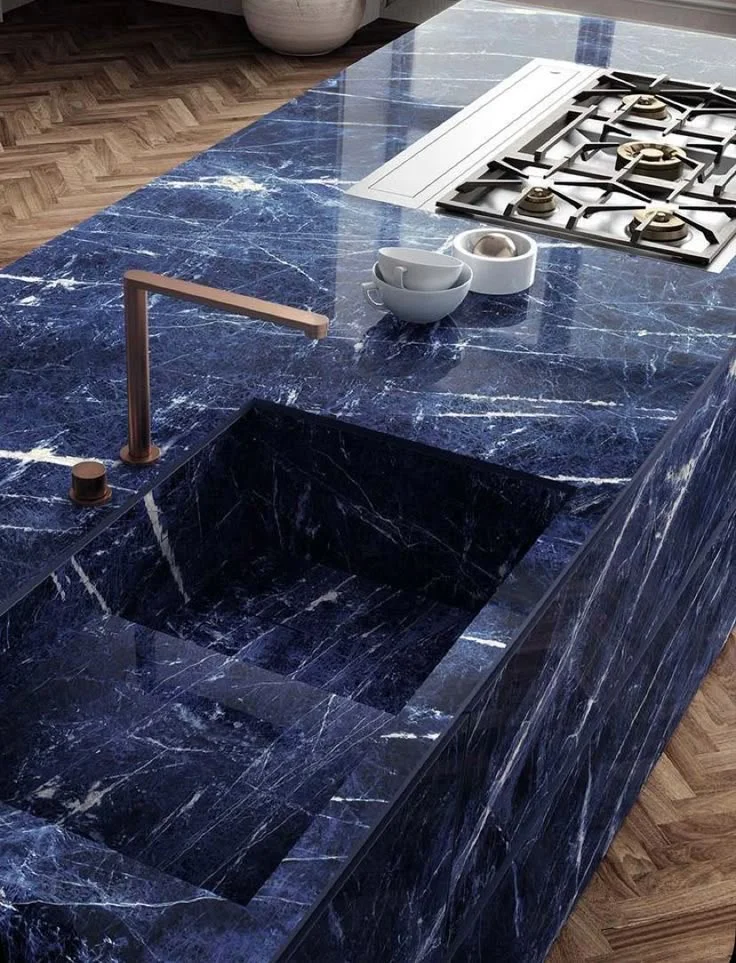
Blù Profond: Ħdejn is-Sema' tas-Silġ u l-Baħar Profond
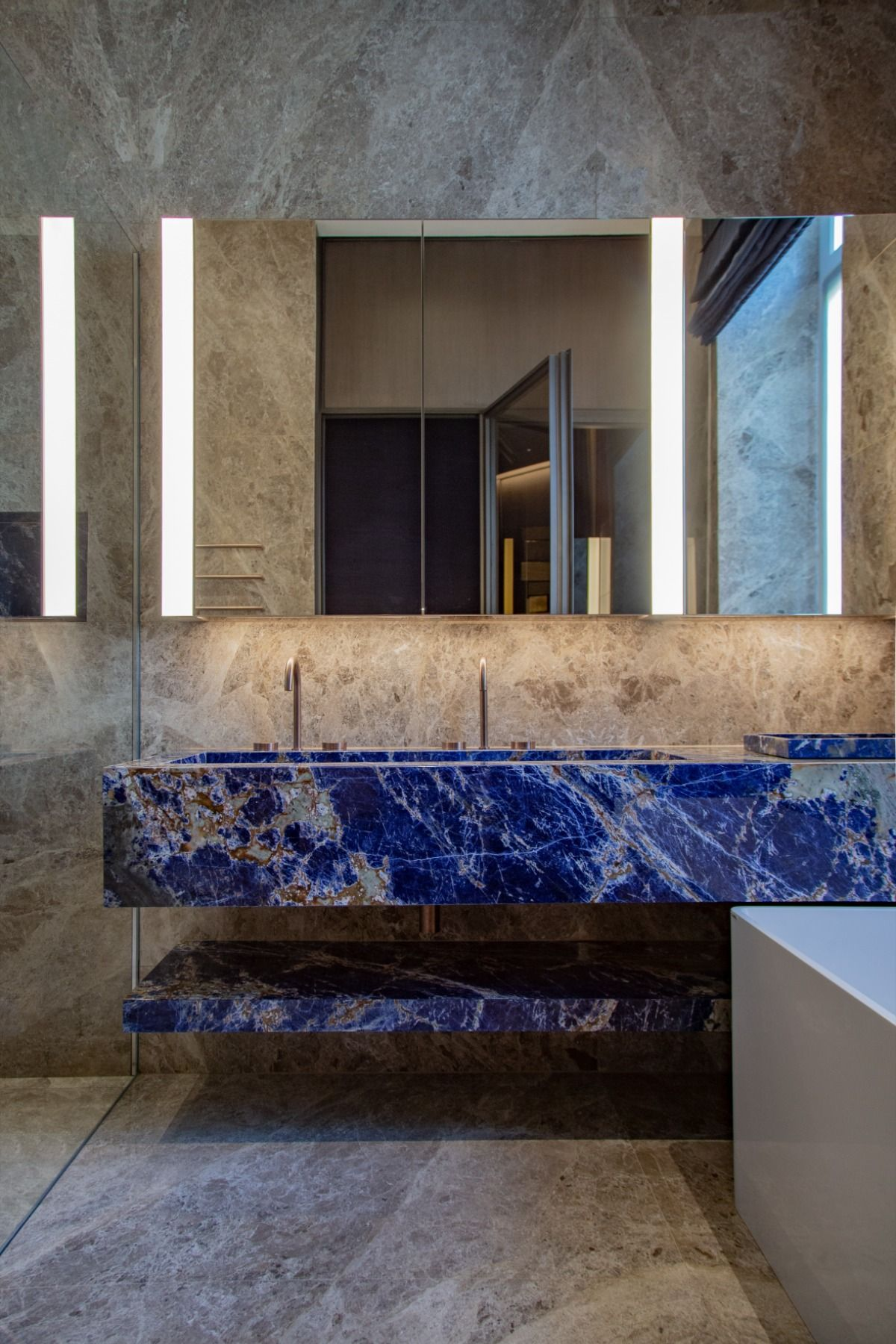
Ħafna ħaġar ta' marmur blu juri ħajja ħafna profonda, li tirkurra s-sama fil-mezzanitt jew il-partijiet it-tajjeb tal-baħar. Din is-sħuba ta' blu ċert għandha spiss testura minerale qawwisa, li turi varjazzjonijiet stratifikati taħt il-lum, b’drift minn ħaġar blu-iswed u b’ħaġar li jgħmel ħażi ħafif.
F’ispazji interni, dan it-tip ta' ħaġar blu profond hu l-aħjar li jintużah bħala punt ta' attenzjoni vizzwali: fuq il-murijiet ewlenin, fir-rizizzjonijiet, fil-faċċati distintivi jew f’ispazji kommerċjali ta’ livell għoli. Dan ma jkunx bżonn li jintuża b’mod estensiv; applikazzjoni waħda tkun biżżeft biex tiddeskrivi l-karatteristika tas-spazju.
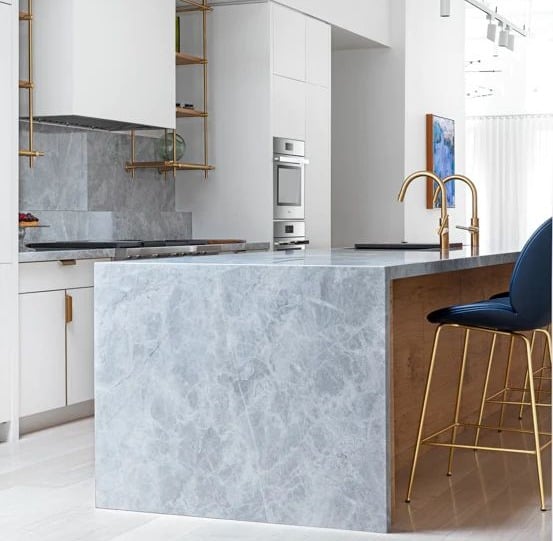
Blu Ħażin: Kulur li jgħmel sens ta’ ħelsien, libertà u ħajja
Ikun kontra l-pes ta' fond blu, ħafna tonijiet ta' marmur blu huma iktar ħajjin.
Dan il-blù hu ħażin u ħajjin, u spiss jinkludi desinni bajdi jew griż-ħażin, li jirrappreżentaw il-mewġ, il-baħar li jgħmel ħelsien jew il-moviment naturali kaptu fil-ħaġar.
Dawn il-blat blu huma ħafna ħelsien fil-progettazzjoni u spiss jintużaw għall-kladdin tal-biċċiet, il-pjanuri tal-kuzina jew l-għoljiet, u l-faċċati dekorattivi fis-spaċċi pubbliċi.
Jistgħu jkunu l-biċċa ewlenija jew jidħlu b'mod naturali ma' materjali naturali oħra, għalkemm jagħmlu l-ispazju jseħħ ieħor u ħajjin.
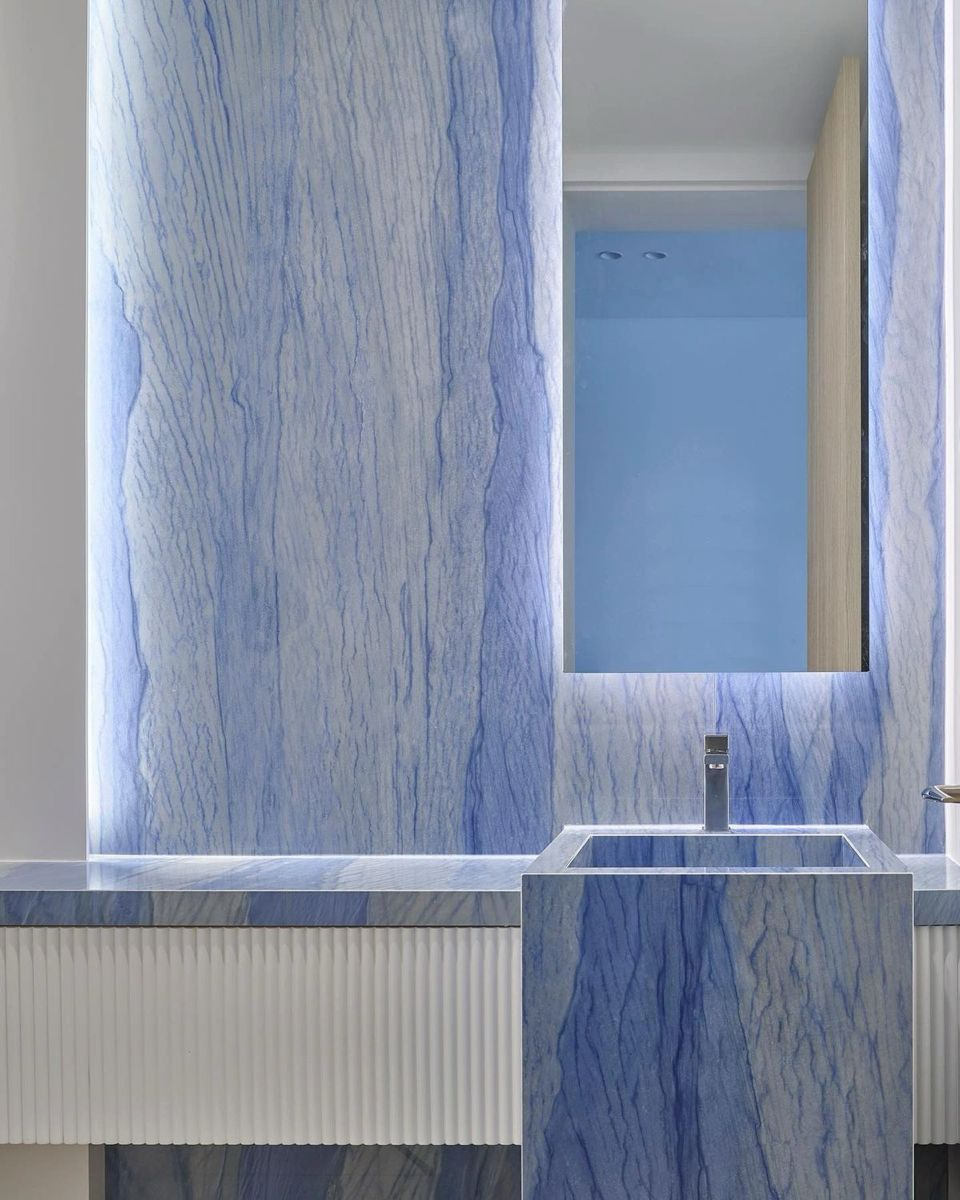
Iż-żerda blu: Il-luq il-biżżejjed iżda l-aktar attrattiv blu li jibqa' ħajjin ħajjin.
Bejn il-blat blu kollha, iż-żerda blu tista' tkun il-lest li tlaqqa' l-attenzjoni bil-ewli ħarsa, imma spiss hija l-aktar ħelwa bil-ħames ta' ħajja.
Il-marmur iż-żerda blu huwa modest u qisit, jinsab bejn iż-żerda u l-blù, u jibdel b’mod sottile fit-ton bil-bidla fil-ġewwa tal-bidu.
Dan il-marmur blu huwa perfett għall-applikazzjonijiet b'skala kbira, il-biċċiet tal-baġnu u l-artijiet. M’għandux impatt eċċessiv fuq l-ispazju, imma mantieni sens ċert ta' sofiżazzjoni li jibqa' ħajjin ħajjin.
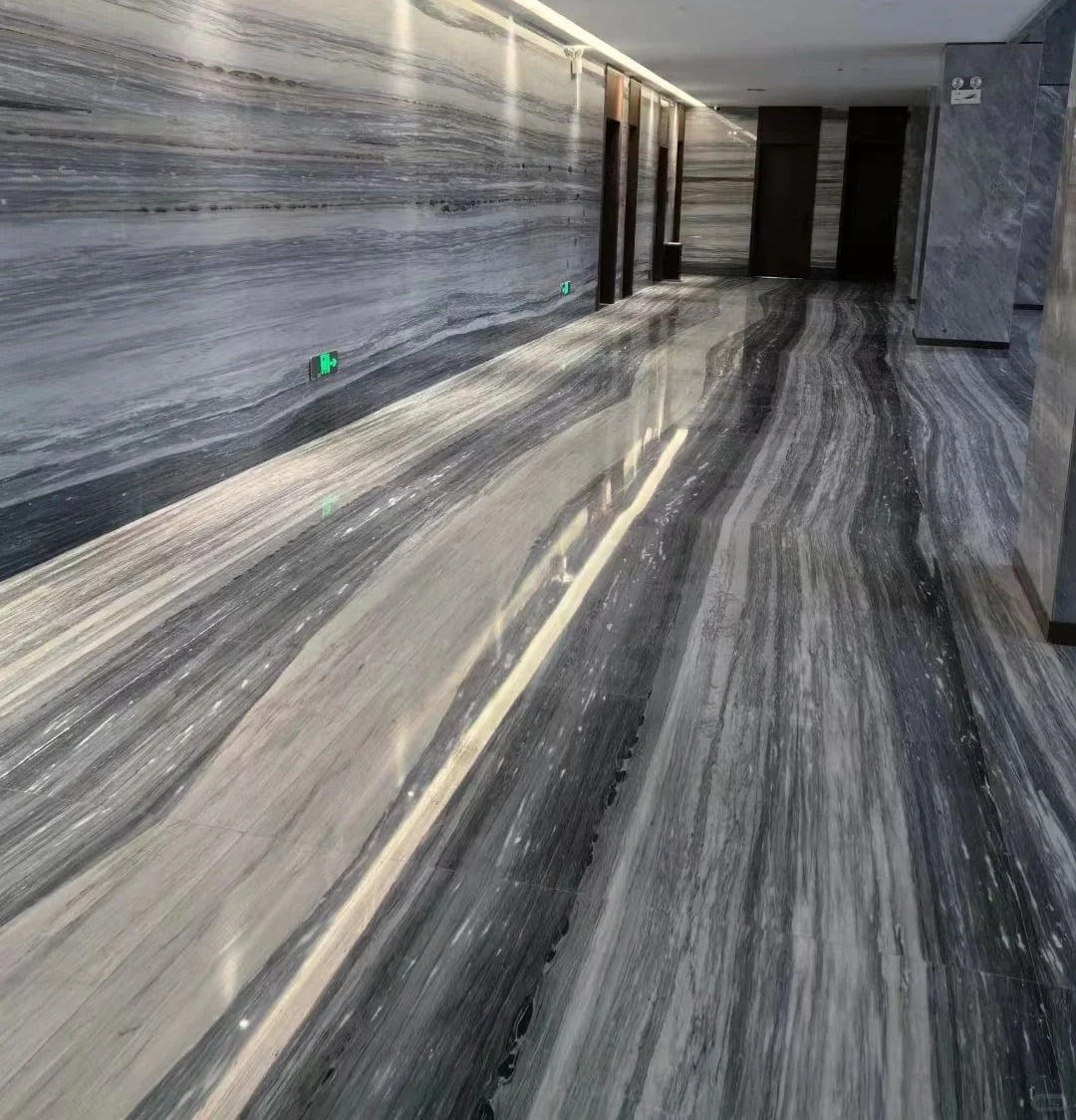
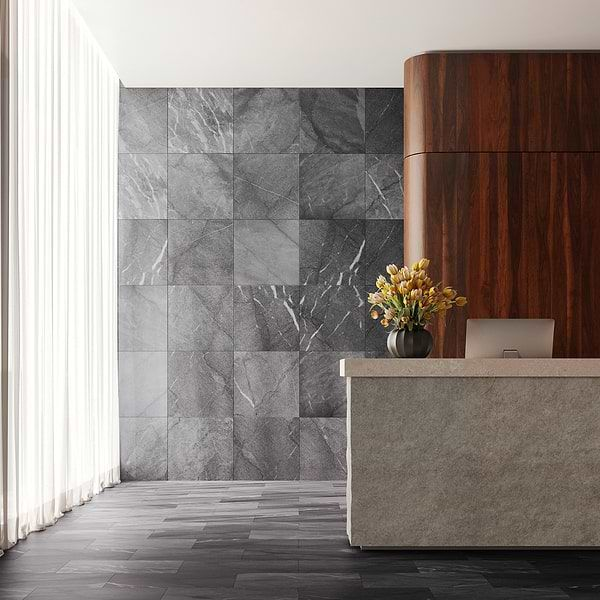
Il-Marmur Miżżied: Fuzjoni ta' Teknoloġija u Luksus
It-teknoloġija moderna tal-blat tippermetti li l-blat naturali jiġi improvvat permezz ta' miżżija jew trattament bir-reżina, li jippermetti lil marmur blu li jilħaq kuluri estremament saturati u ħajjin ħajjin.
Il-marmur ikkulurit offre libertà ħafna bil-biżżejjed tat-testura u bil-kontroll tal-kuluri, u jista' jippreżenta tonaliti blu profondi, blu ġewwli, jew anke tonaliti blu ħolmija.
Huwa bbażat għall-użu għall-ġidiet ta’ livell għoli, għall-banji ta’ ħajt ta’ ħammam li jkunu lussużi, għall-installazzjonijiet ta’ arti, jew għall-inċastra kbira ta’ ħaġar. Għalkemm huwa trattat b’mod artifiċjali, jibqa’ jikseb it-testura, il-qawwa u l-sens tal-ħaġar naturali, li jagħmel minnu għażla ideali għal dawk li jfittxu l-lussu u l-ispazji bid-disinn uniku.
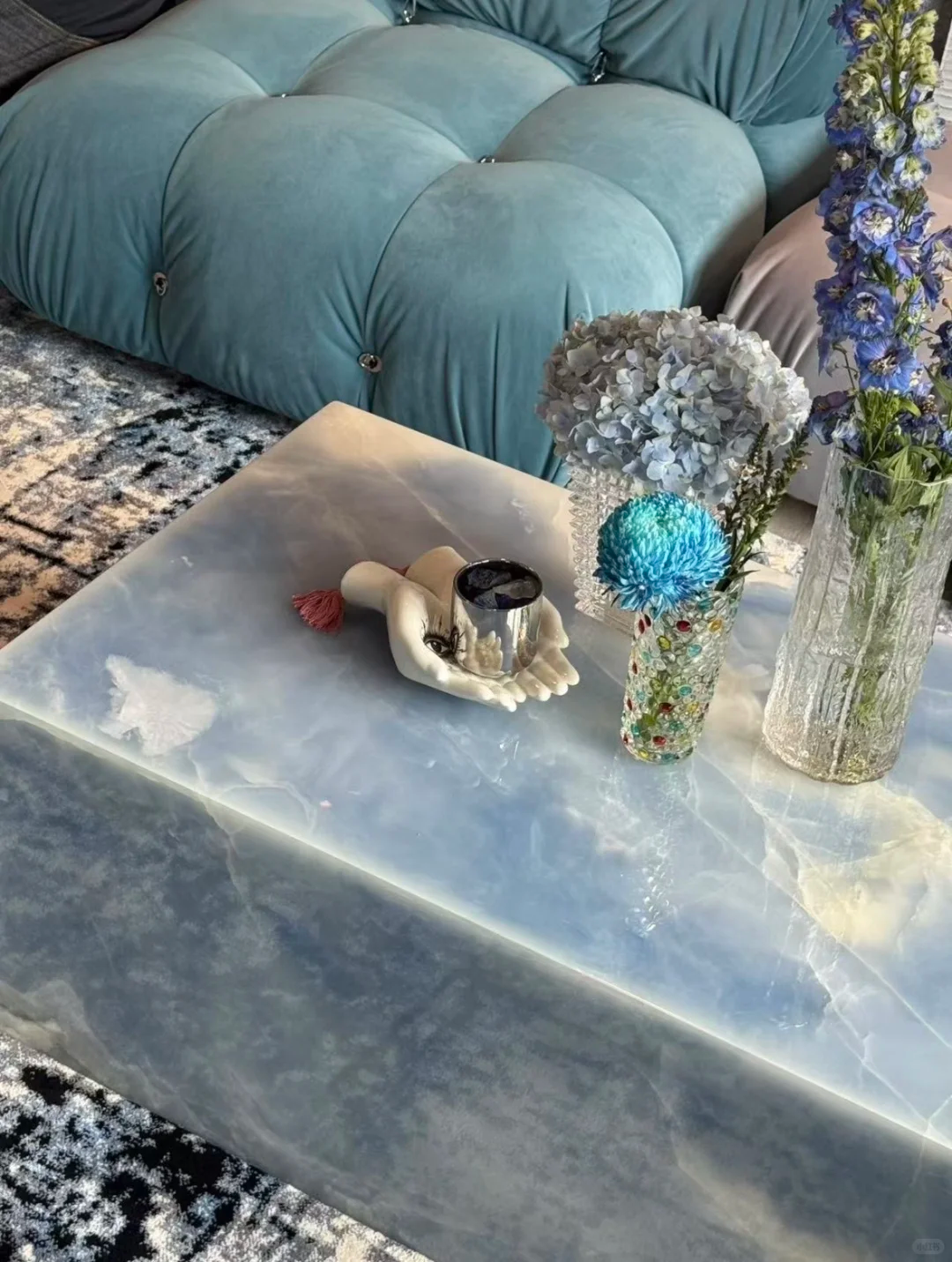
Il-Ġrajja tal-Marmur Blu
Il-marmur blu, jekk ikun blu profond, blu tal-baħar, blu ħażin, jew blu b’saturazzjoni ħafna għolja li ġie immejju jew ikkulurit, jista’ jwassal impatt vizzwali, unikużza u sens ta’ lussu fi kull spazju.
Għalkemm jistgħu ma jkunuex marmur verament fis-sens stretta, it-testura tal-ħaġar naturali jew tal-ħaġar inġinerizzat ta’ livell għoli tagħmel kull pezz opra ta’ arti f’spazju.
Għall-projetti tad-disinn li jfittxu l-unikużza u l-kwalità, il-marmur blu huwa definitivament għażla rara u prezzuża.


