





Marble moldings may be small compared with slabs, tiles, or wall panels, but they can make a surprisingly big difference to the finished look of an interior.
They are used to frame walls, finish tile edges, highlight architectural details, create transitions between materials, or simply add another layer of depth to a space.
From slim pencil liners to decorative cornices and carved profiles, marble moldings are available in many shapes and sizes. The right choice depends on the style of the project, the installation area, and the surrounding materials.
In this guide, we look at the most common types of marble moldings, where they are used, and a few practical ideas for incorporating them into interior design.
What Is a Marble Molding Profile?
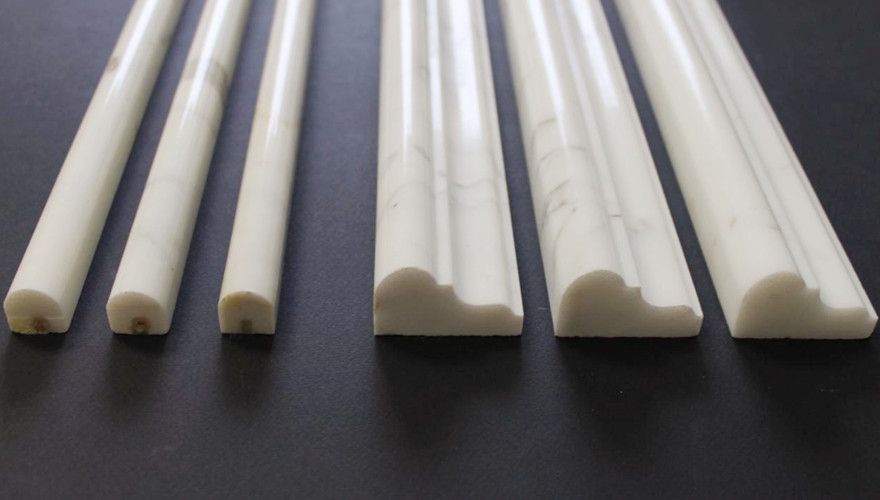
A marble molding profile refers to the cross-sectional shape of the molding.
Some profiles are simple and understated, while others include curves, steps, grooves, or carved details. The profile affects both the visual appearance and the way light and shadow fall across the stone. Even a small change in shape can make a molding look more modern, classical, bold, or delicate.
For custom projects, a profile can also be produced from a drawing, sample, or reference image.
Common Types of Marble Moldings
1. Marble Pencil Molding
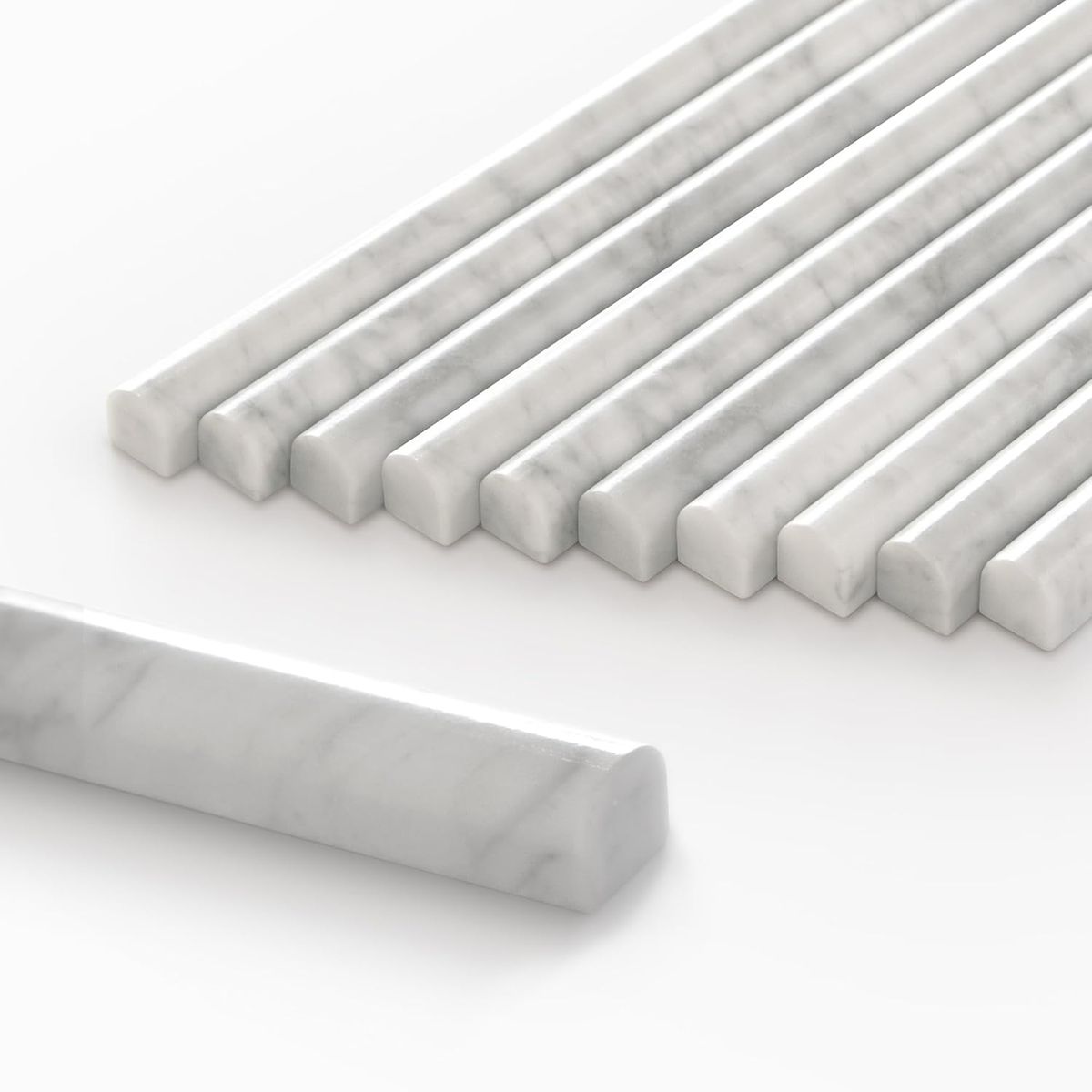
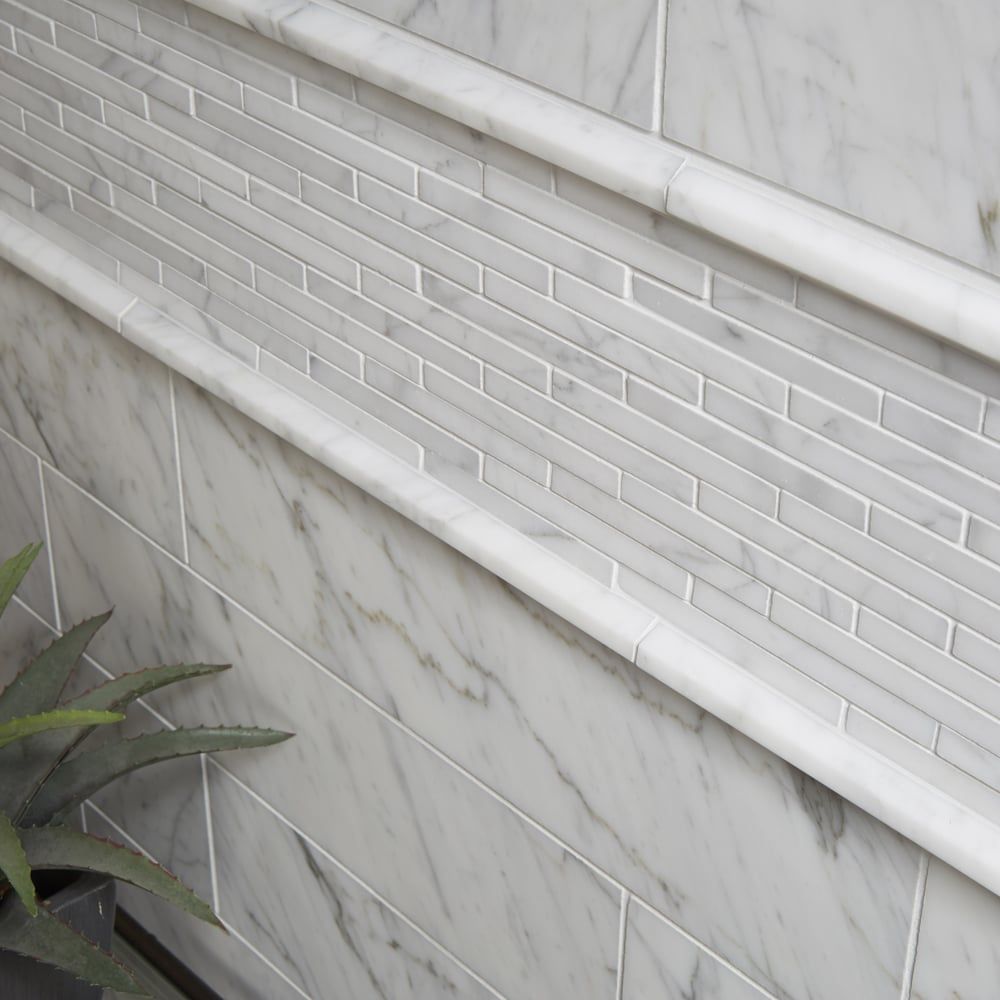
Marble pencil molding is a slim decorative stone trim, typically featuring a rounded or softly curved profile. It is commonly used to finish tile edges, frame mosaics, or create subtle transitions between different wall materials.
Because of its small size, it works well when a clean finishing detail is needed without making the design feel too heavy.
- Bathroom wall tile edges
- Kitchen backsplashes
- Mosaic borders
- Mirror surrounds
- Decorative wall panels
- Transitions between different materials
Pencil moldings are especially useful in modern interiors because they add definition while keeping the overall look clean.
Carrara, Calacatta, Thassos, Crema Marfil, and Nero Marquina can all be used depending on the surrounding tile or wall material.
2. Marble Chair Rail
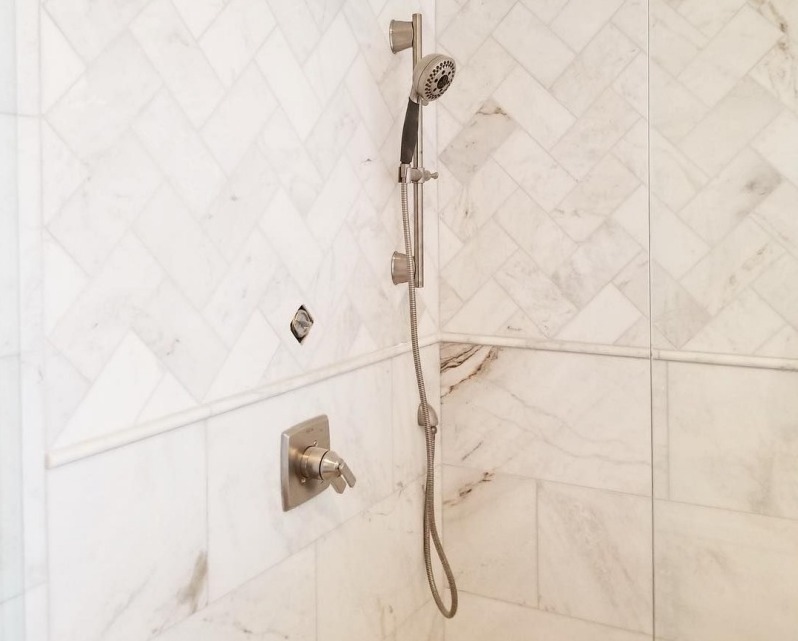
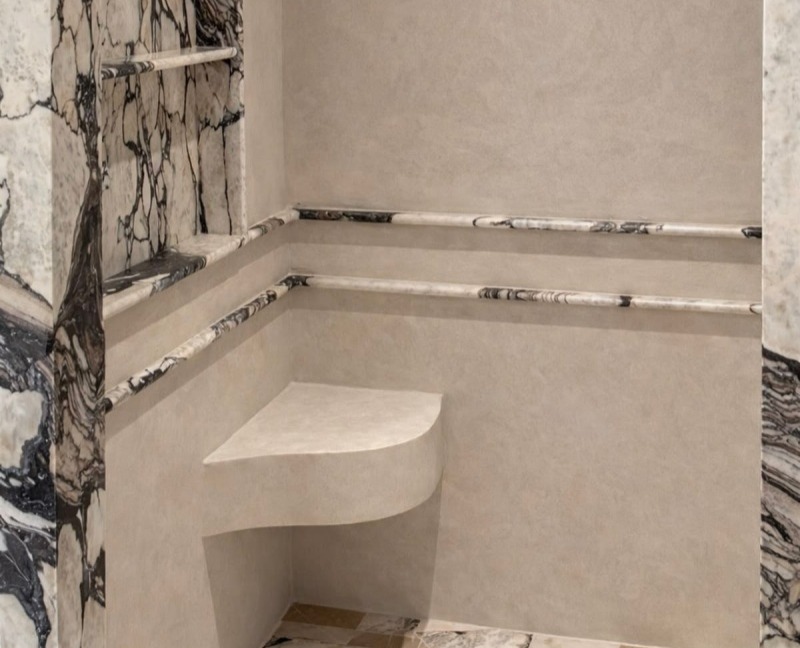
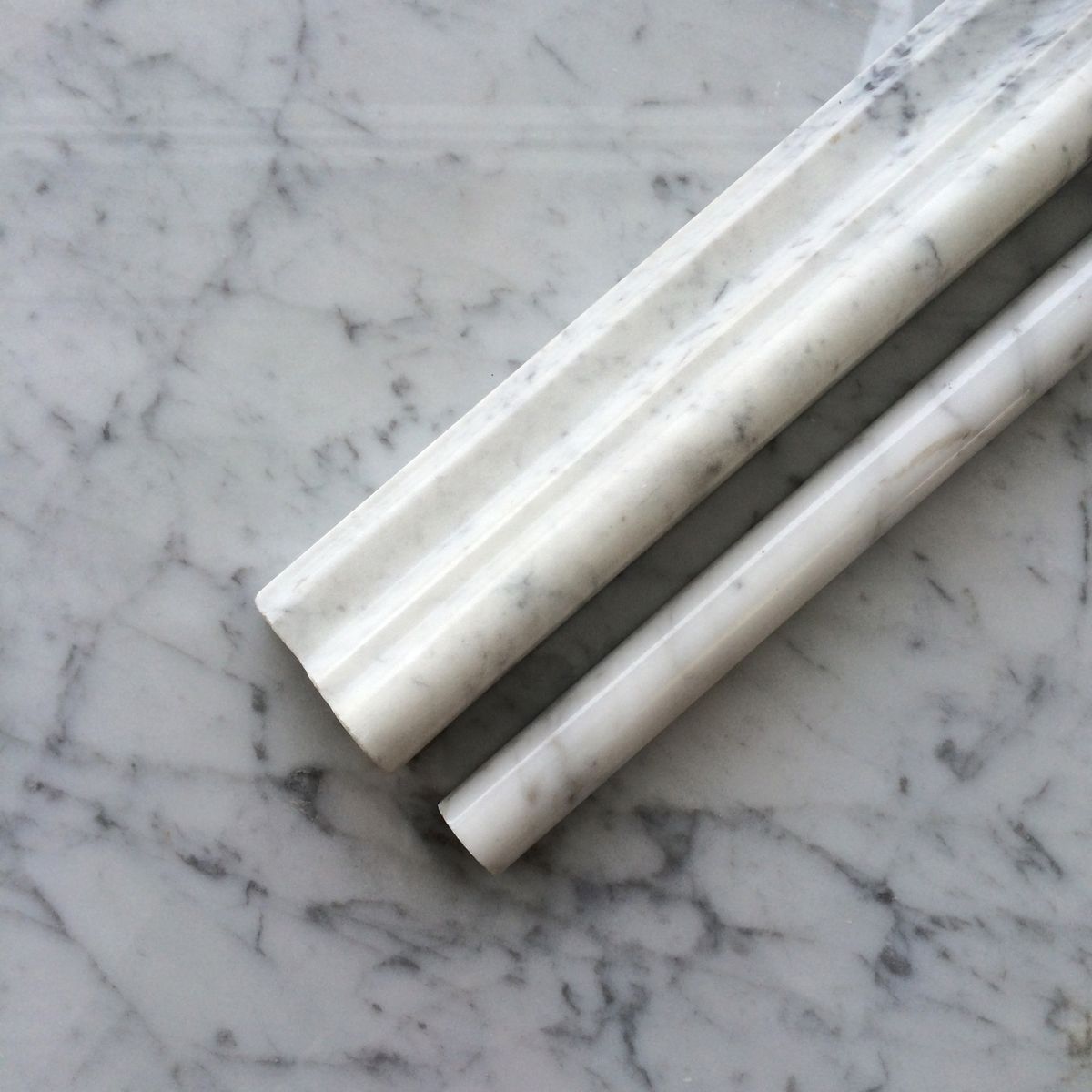
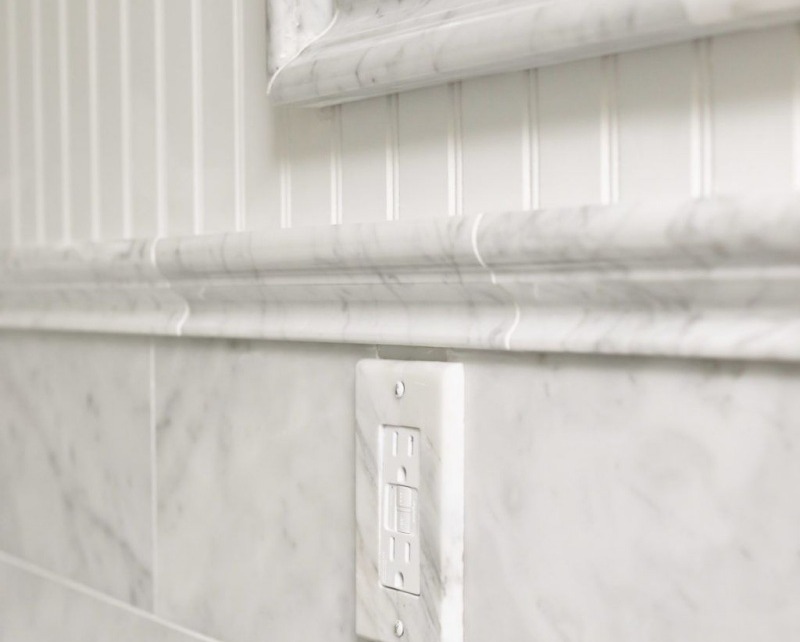
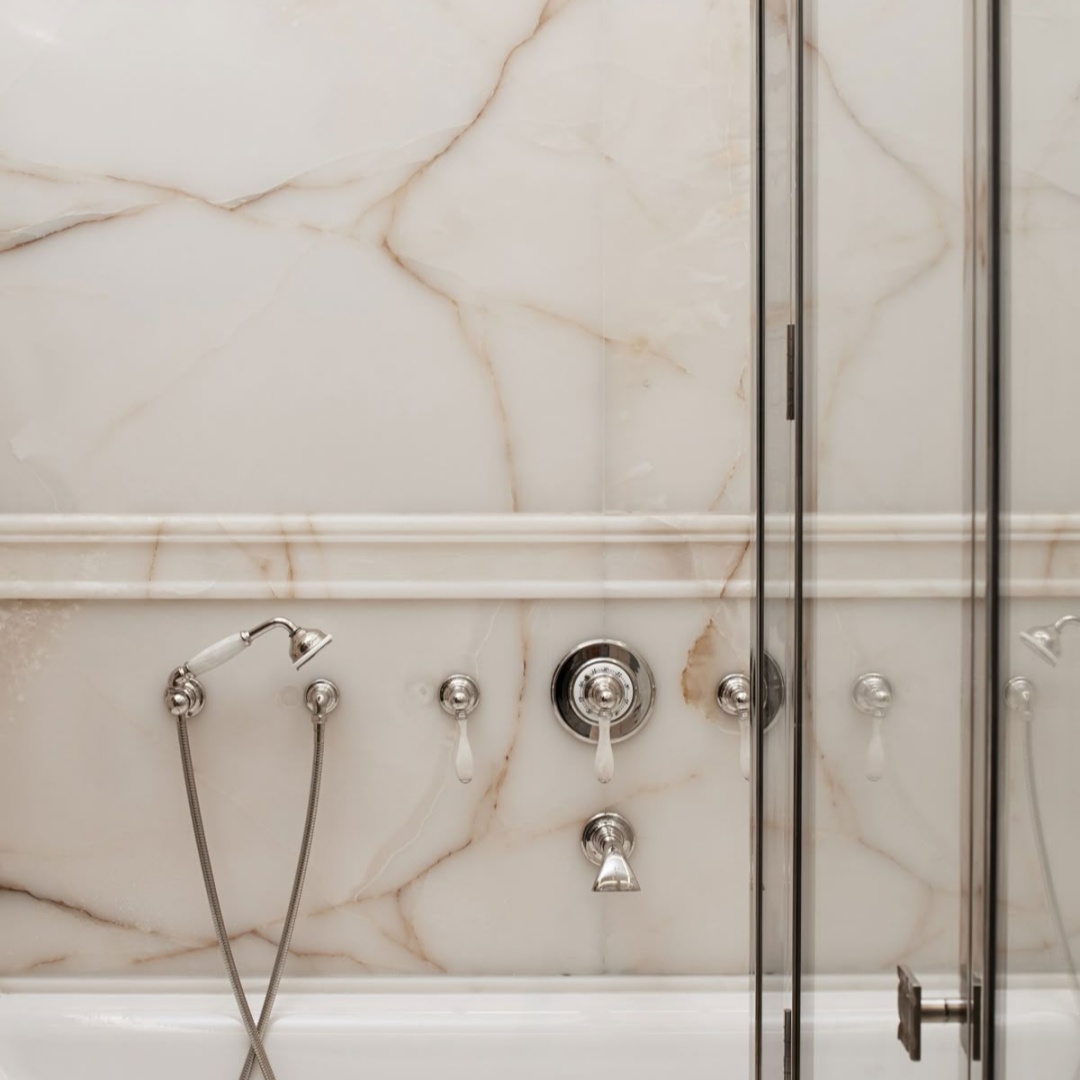
Chair rail molding is usually wider and more dimensional than a pencil liner. It is commonly used to divide wall sections, finish wainscoting, or create a decorative border around marble tiles and mosaics.
Typical uses
- Bathroom walls
- Wainscoting
- Hotel corridors
- Feature walls
- Classical interiors
- Decorative wall borders
A chair rail with a curved or stepped profile can create noticeable shadow lines, which gives the wall more depth. For a more contemporary look, a simpler profile can be used.
3. Marble Base Molding and Skirting
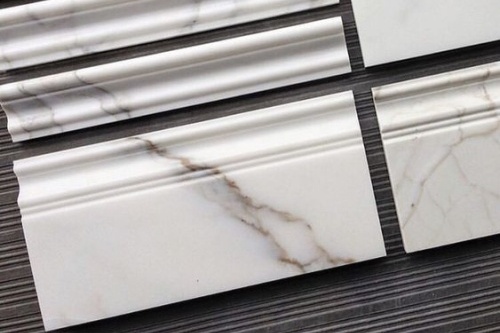
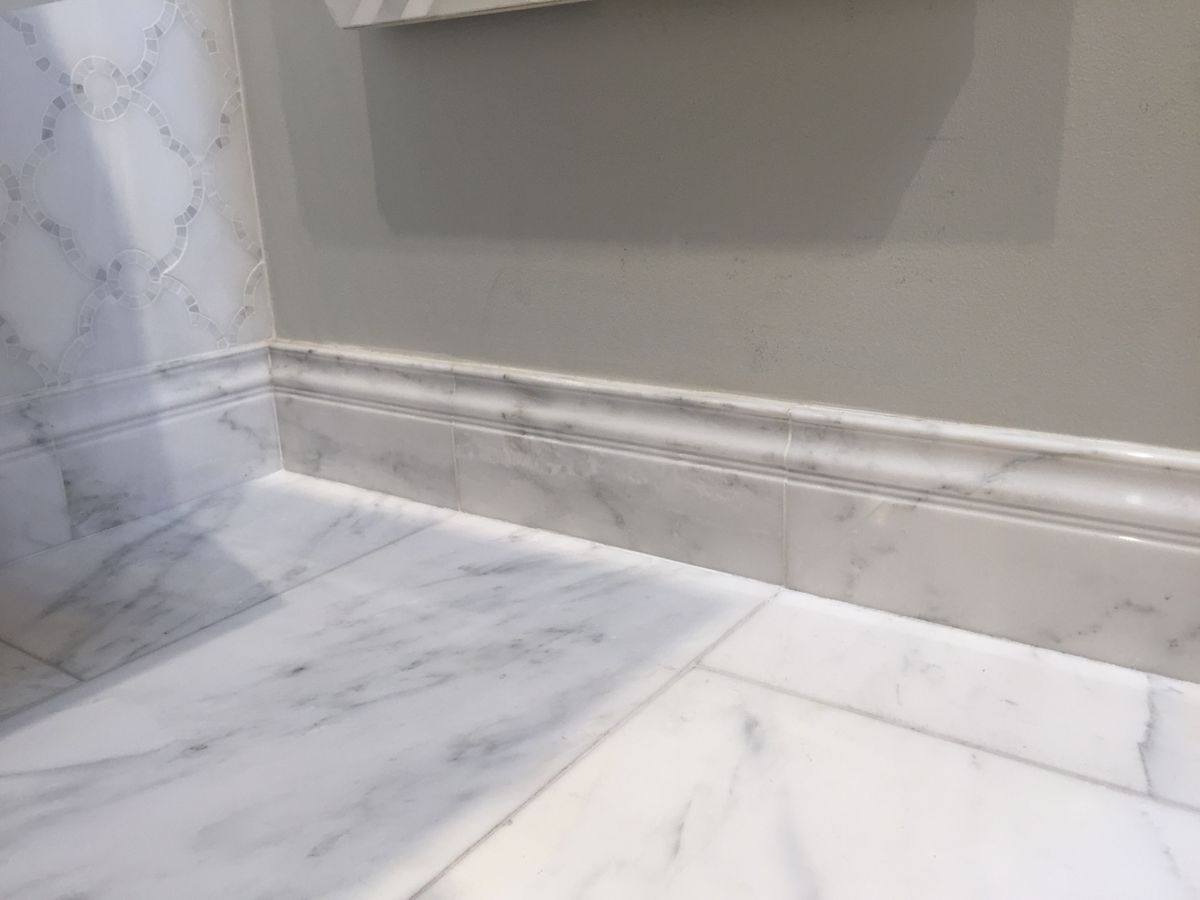
Base moldings and skirting are installed where the wall meets the floor. They help protect the lower part of the wall while also creating a cleaner visual transition between vertical and horizontal surfaces.
Profiles can range from simple flat skirting to more decorative designs with rounded, stepped, or carved details.
Common applications
- Villas
- Hotels
- Apartment entrances
- Corridors
- Lobbies
- Luxury residential interiors
When the flooring and skirting are made from the same marble, the result can feel seamless and coordinated. For stronger visual contrast, darker marble can also be used against lighter walls or floors.
4. Marble Cornice and Crown Molding
Marble cornice and crown moldings feature larger, more dimensional profiles with curves, steps, and layered details.
They are commonly used at wall and ceiling junctions, around fireplaces, doorways, columns, and other architectural features where a stronger decorative statement is required.

Typical applications
- Wall and ceiling junctions
- Fireplace surrounds
- Door and window surrounds
- Columns and architectural features
5. Custom & Carved Marble Moldings
Not every project fits a standard molding profile. Custom marble moldings can be produced from section drawings, CAD files, samples, or reference images, allowing the dimensions and profile to match specific architectural details.
For more decorative projects, carved marble moldings can also incorporate floral, geometric, or classical motifs. They are commonly used in villas, hotels, fireplaces, door surrounds, columns, and restoration projects.
Where Are Marble Moldings Commonly Used?
Marble moldings are highly versatile and can be used in both residential and commercial spaces.
Bathrooms
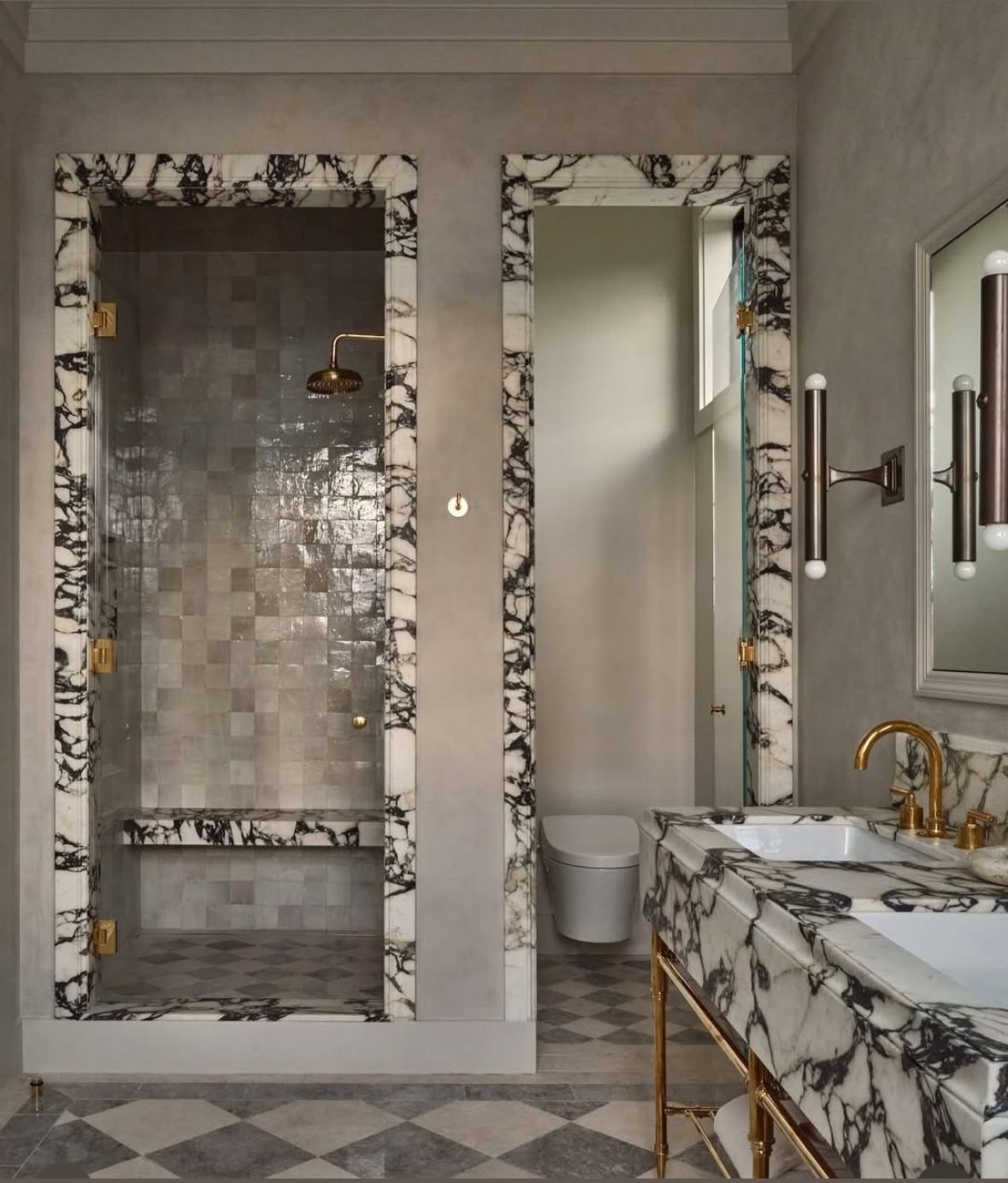
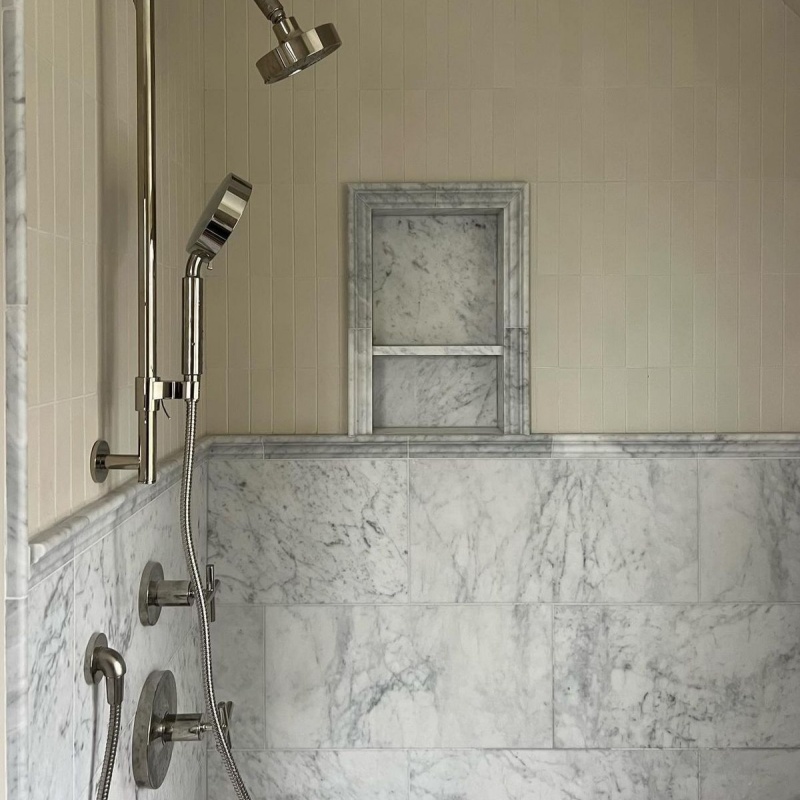
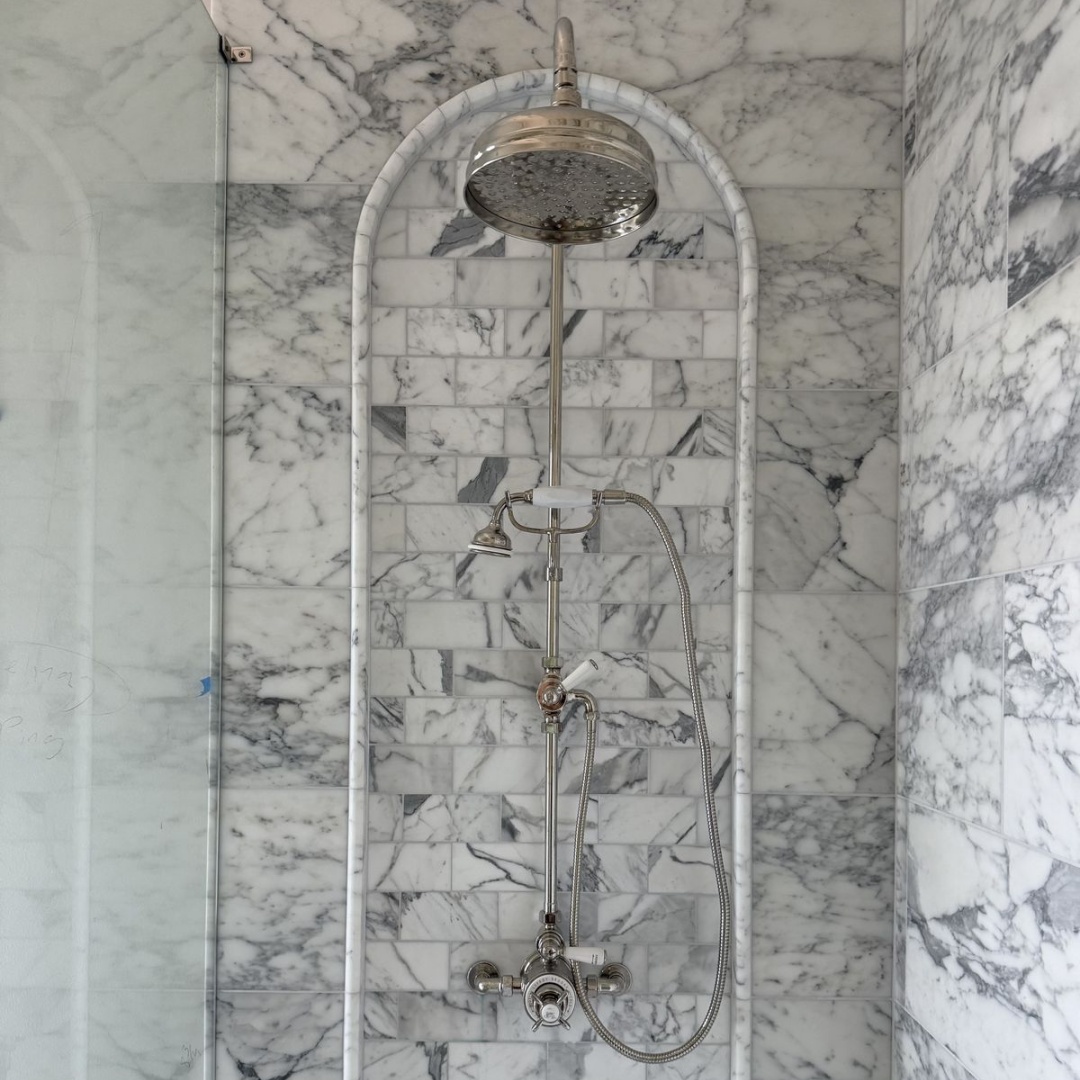
Use moldings to finish tile edges, frame mirrors, divide wall sections, or connect mosaics with larger-format marble tiles. Pencil profiles suit clean modern bathrooms; chair rails and carved profiles work well in more decorative interiors.
Kitchens
Marble trim can frame backsplashes, range hood surrounds and wall panels, or create a clean transition where stone meets painted walls.
Living Rooms & Feature Walls
Frame TV walls, bookmatched marble panels or decorative stone sections to add depth without making the whole wall visually heavy.
Fireplaces
Different profiles can frame the opening, connect the mantel with the wall, or build layered architectural details. Simple profiles feel modern; curved or carved moldings suit classical fireplaces.
Hotels & Commercial Interiors
Moldings help create clean transitions where stone, metal, glass, wood and mosaics meet, while giving public spaces a more finished design language.
Door & Window Surrounds
Marble moldings can frame doors and windows with flat, layered or carved casings, customized to the proportions and style of the opening.
How to Choose the Right Marble Molding
Before selecting a molding, consider a few practical points.
What Information Is Needed for a Custom Marble Molding?
When requesting a quotation, it helps to provide as much of the following information as possible:
If an exact drawing is not available, a photo or physical sample can also be a useful starting point.
Final Thoughts
Marble moldings may be a finishing detail, but they can strongly influence the overall quality of a stone installation.
The right profile can create cleaner transitions, highlight important architectural features, frame decorative materials, and add depth to an otherwise simple surface.
From slim pencil liners to carved cornices and custom architectural profiles, there is no single molding that works for every project. The best result comes from choosing the profile, size, marble, and finish according to the surrounding design.
If you already have a drawing, profile, sample, or reference photo, custom marble moldings can also be produced to match the specific requirements of the project.
Have a Custom Marble Molding Project?
Send the profile, dimensions, marble selection and quantity to discuss a suitable production solution.
Request a Custom Quote