




What Is Travertine?
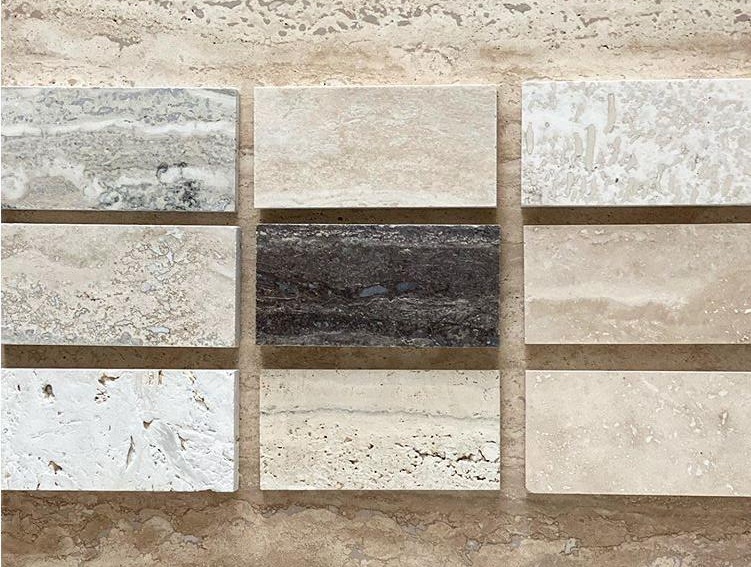
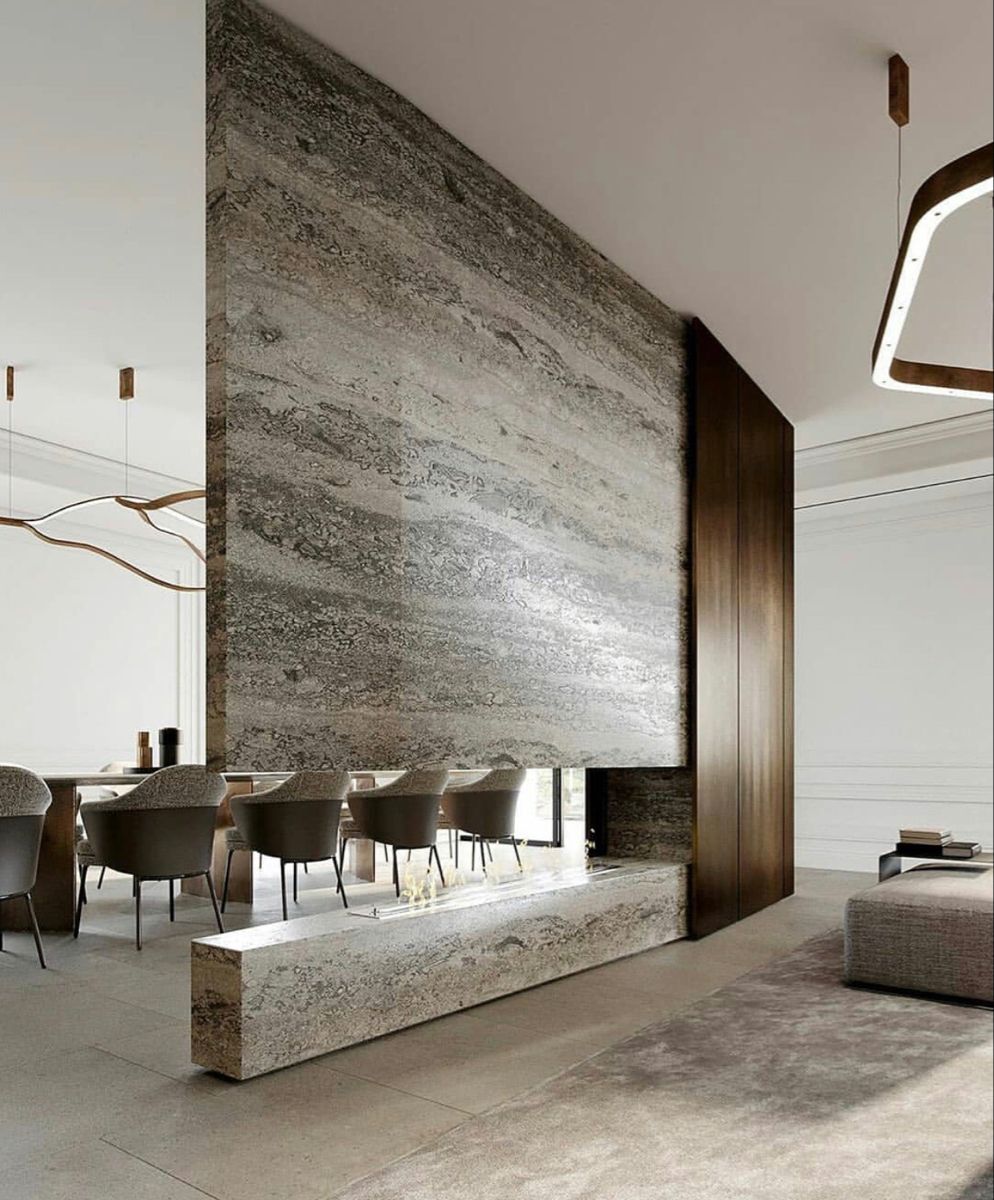
Travertine is a type of limestone formed by mineral deposits. Its natural pores and cavities give it an organic, textured appearance. These openings may be left unfilled for a rustic finish or filled to create a smoother surface.
Common travertine colors include Classic Beige, Ivory, Cream, Silver, Walnut, and Noce.
The stone can also be cut in two main ways:
- Vein Cut: Produces long, linear patterns.
- Cross Cut: Creates softer, cloud-like movement.
Travertine works especially well in Mediterranean, resort, rustic, minimalist, and modern natural interiors.
What Is Marble?
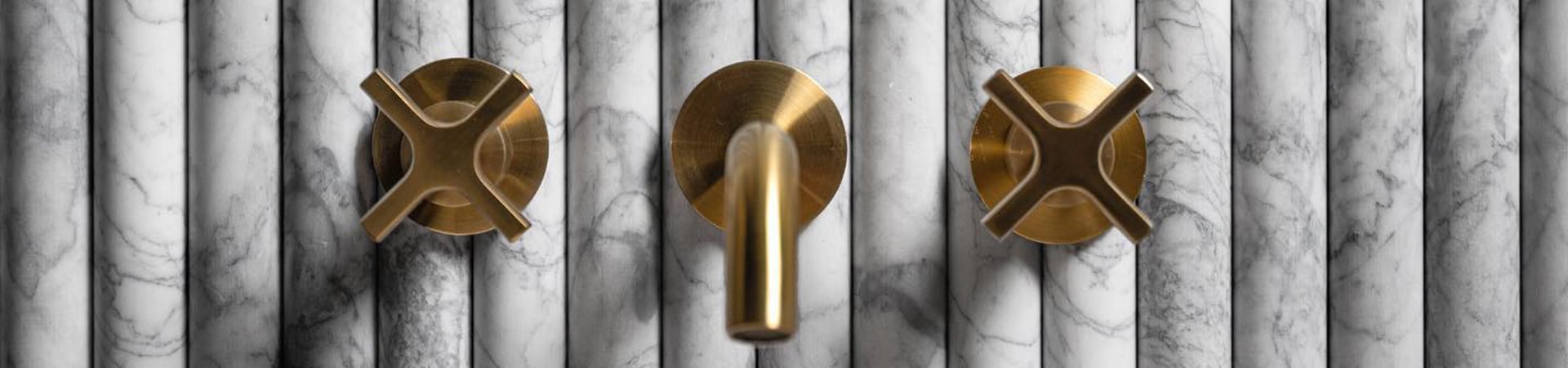
Marble is a metamorphic stone created when limestone is transformed by heat and pressure. It has a denser crystalline structure and is known for elegant veining and a wide variety of colors.
Popular options include Carrara White, Calacatta, Statuario, Nero Marquina, Tundra Grey, Crema Marfil, and Calacatta Viola.
Marble can be polished for a brighter, more luxurious finish or honed for a softer and more understated look. It is widely used in villas, hotels, restaurants, retail spaces, and high-end residential interiors.
Travertine vs. Marble: Quick Comparison
| Feature | Travertine | Marble |
|---|---|---|
| Appearance | Warm, earthy, porous | Refined, crystalline, veined |
| Common colors | Beige, cream, silver, walnut | More colors available |
| Porosity | Generally higher | Varies by marble type |
| Outdoor use | Often suitable with the correct finish | Depends on the variety and climate |
| Price | Often more accessible | Premium types can be expensive |
Natural stone varies between quarries and blocks, so samples and technical information should be reviewed before final approval.
Best Applications
Travertine
Travertine is commonly used for:
- Pool decks and coping
- Patios and garden paving
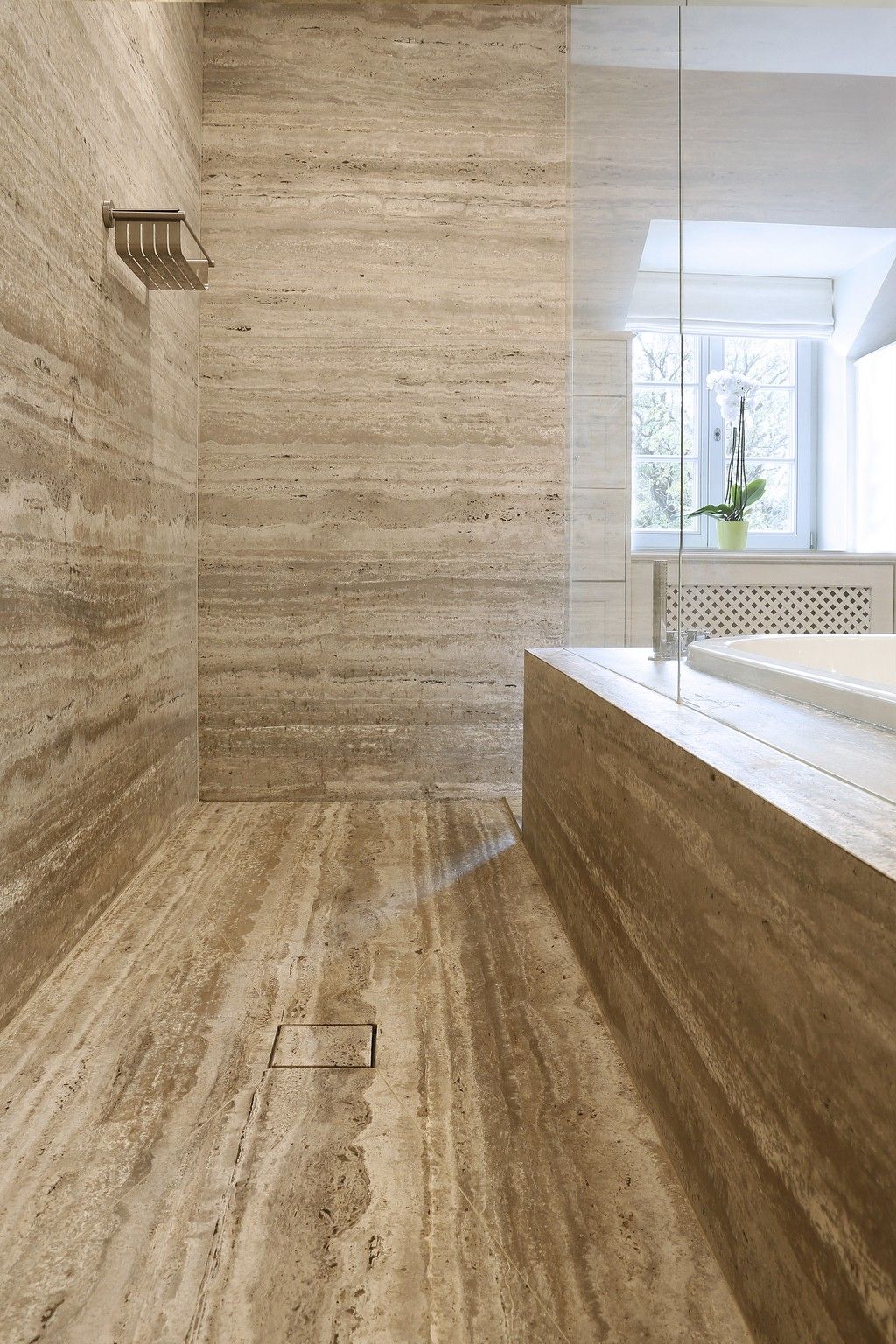
- Exterior wall cladding
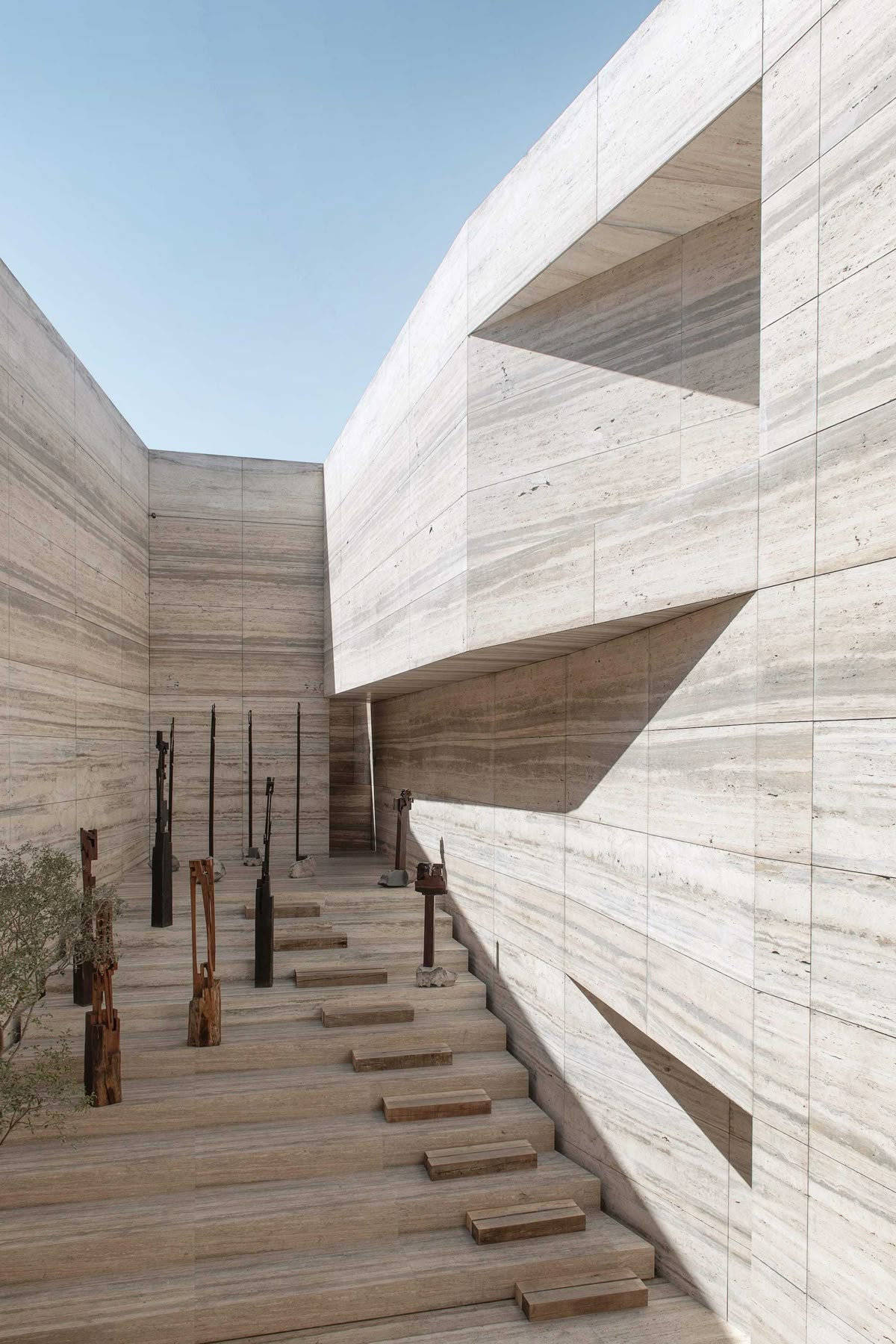
- Bathroom and shower walls
- Spa and resort areas
- Interior flooring
For wet or outdoor areas, tumbled, brushed, sandblasted, or bush-hammered finishes usually provide better slip resistance than polished surfaces.
Marble
Marble is commonly used for:
- Bathroom vanities
- Feature walls
- Fireplace surrounds
- Hotel lobbies and reception desks
- Luxury flooring and staircases
- Decorative mosaics
- Table tops and kitchen islands
Marble can be used for kitchen countertops, but it may react with lemon juice, vinegar, wine, and some cleaners. Scratches, stains, and a natural patina may also develop over time.
Which Is Better for Outdoor Use?
Travertine is often preferred for patios, pool surrounds, and outdoor paving because it is available in textured finishes and has a warm, natural appearance.
However, outdoor performance depends on more than the stone category. Important factors include:
- Water absorption
- Stone density
- Thickness
- Surface finish
- Drainage
- Installation method
- Freeze-thaw exposure
In cold climates, absorbed water can freeze and expand, which may damage unsuitable stone or poor installation systems. Some dense marble varieties can perform outdoors, but the specific material should be reviewed before use.
Which Is Better for Bathrooms?
Both stones work well in bathrooms.
Travertine creates a warm, spa-like atmosphere and pairs naturally with wood, glass, and neutral finishes. Marble creates a brighter and more luxurious appearance, especially when used for vanity tops, shower walls, and feature walls.
For bathroom floors and shower areas, highly polished finishes may become slippery. Honed, brushed, tumbled, or textured finishes are usually more practical.
Maintenance and Cleaning
Both travertine and marble should be cleaned with pH-neutral products.
Travertine is porous, so sealing is commonly recommended to reduce staining and moisture absorption. Filled travertine is easier to clean, while unfilled travertine preserves a more natural appearance.
Marble is sensitive to acidic substances, which may cause dull marks known as etching. Spills should be cleaned quickly, and abrasive or acidic cleaners should be avoided.
The sealing schedule depends on the stone, finish, application, traffic level, and sealer used.
Cost
Travertine is often more affordable than premium marble, but prices vary widely.
The final cost depends on:
- Stone variety and origin
- Grade and color selection
- Dimensions and thickness
- Surface finish
- Custom fabrication
- Quantity
- Packing and shipping
Standard beige travertine may be cost-effective, while carefully selected vein-cut material can cost more. Common marble varieties may also be competitively priced, while rare Calacatta, Statuario, and strongly patterned decorative marbles are usually more expensive.
For a fair comparison, quotations should use the same size, thickness, finish, processing requirements, and quantity.
How to Choose
Choose travertine when you want:
- Warm, neutral colors
- A natural or textured appearance
- Pool, patio, or outdoor applications
- Mediterranean, resort, or minimalist styling
- A potentially more economical natural stone
Choose marble when you want:
- Strong decorative veining
- A refined or polished appearance
- Luxury interior finishes
- Feature walls, vanities, fireplaces, or stairs
- A wider selection of colors and patterns
For larger projects, physical samples and mock-ups are strongly recommended because natural stone may vary from one block to another.
Frequently Asked Questions
No. Travertine is a type of limestone, while marble is a metamorphic stone formed from limestone under heat and pressure.
Travertine is often the more practical option, especially with a textured finish. However, climate, absorption, thickness, and installation must also be considered.
Both require proper cleaning and may require sealing. Travertine needs attention to its pores, while marble needs protection from acidic substances.
Premium marble is often more expensive, but price depends on the exact variety, grade, dimensions, finish, processing, and quantity.
Yes. Travertine flooring can be combined with a marble vanity, fireplace, reception desk, or feature wall to create a balanced natural stone design.
Final Thoughts
Choose travertine for warmth, texture, and many outdoor or resort-style applications. Choose marble for elegant veining, refined interiors, and stronger visual impact.
The best stone is the one that matches the project’s location, climate, design, maintenance expectations, and budget.
For a project-based recommendation, provide the application area, required sizes, thickness, surface finish, quantity, drawings, and destination country.
Need a Stone Recommendation?
Share the application, dimensions, thickness, finish, quantity, drawings, and destination country for a project-based recommendation and quotation.
Request a Recommendation →